
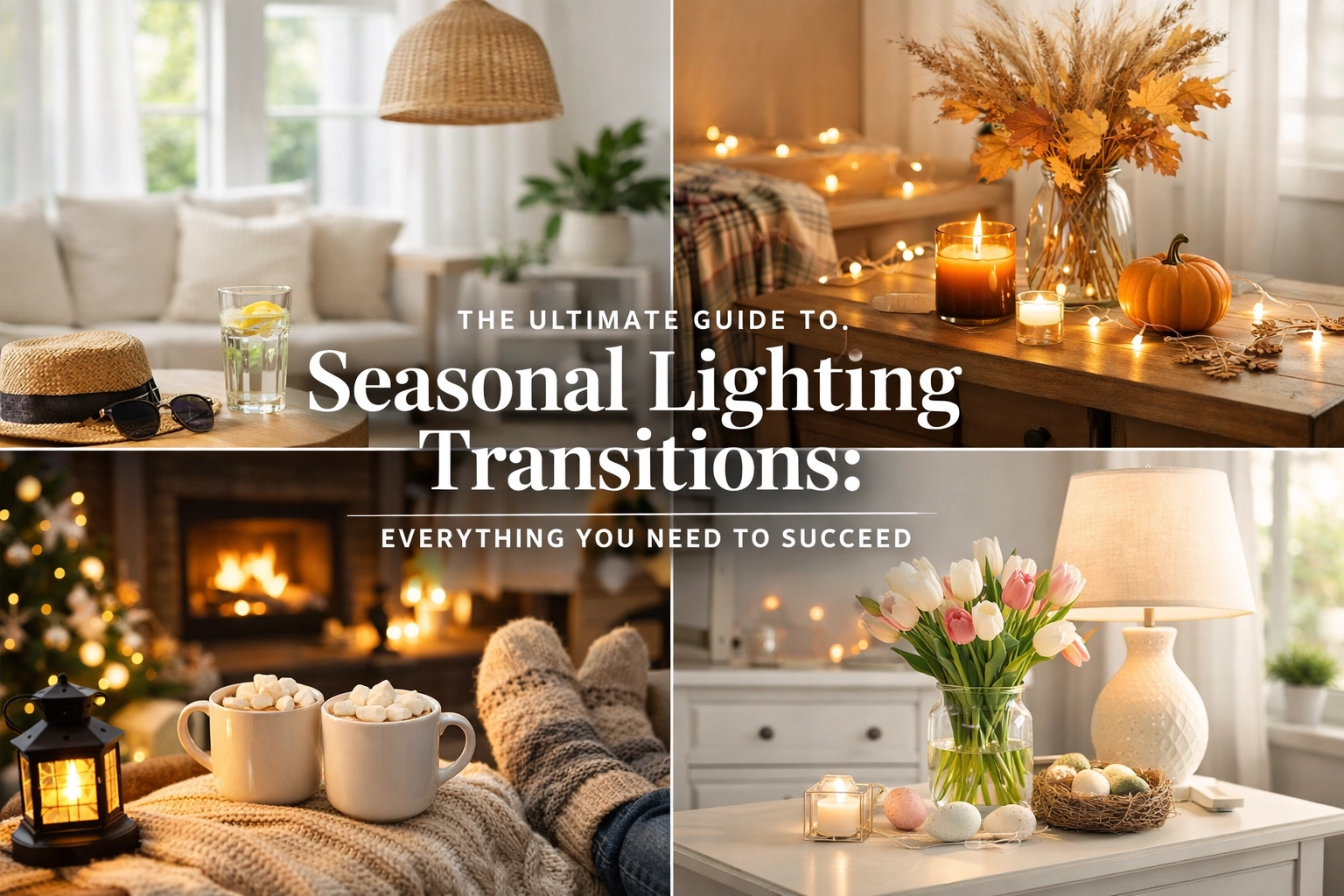
Light is one of the most influential factors in the home environment, affecting everything from mood and productivity to the underlying biological rhythms of the inhabitants. As the Earth tilts on its axis throughout the year, the quality, duration, and angle of natural light shift significantly. For those seeking to maintain a comfortable and functional living space, responding to these changes is not merely an aesthetic choice but a practical necessity.
Managing seasonal lighting transitions involves a strategic blend of optimizing natural light and adjusting artificial sources. By understanding the principles of color temperature, lumen output, and light placement, it is possible to create an environment that feels vibrant in the spring, airy in the summer, cozy in the autumn, and supportive during the dark winter months.
Understanding the Biological Impact of Light
Before implementing changes, it is essential to understand why light matters. Human biology is governed by the circadian rhythm: an internal clock that regulates sleep-wake cycles based on light exposure. During the day, blue-rich light (similar to the midday sun) suppresses melatonin and boosts alertness. As evening approaches, warmer, dimmer light encourages the production of melatonin, preparing the body for rest.
Seasonal changes disrupt this rhythm. In the winter, the lack of morning sunlight can lead to grogginess and seasonal lethargy. In the summer, excessive evening light can interfere with sleep. A successful seasonal lighting strategy compensates for these natural imbalances, using artificial light to mimic the beneficial qualities of natural light that may be missing.
Decoding Lighting Metrics: Lumens and Kelvin
To transition lighting effectively, one must grasp two primary metrics: Lumens and Kelvin.
Lumens measure the total amount of visible light emitted by a source. In simpler terms, lumens represent brightness. During darker seasons, higher lumen counts may be necessary to maintain visibility in task areas, whereas the bright days of summer may allow for lower lumen settings to save energy.
Kelvin (K) measures the color temperature of the light.
- 2000K – 3000K: Warm white/yellow light. This range mimics the glow of a sunset or a fireplace, making it ideal for relaxation and cozy environments.
- 3100K – 4500K: Neutral white. This is often used for kitchens and bathrooms where clarity is needed without being overly harsh.
- 4600K – 6500K: Cool white/daylight. This range is blue-toned and mimics bright midday sun. It is excellent for concentration and task-oriented spaces but can be disruptive if used late at night.
The Autumn Transition: Cultivating Warmth
As the days begin to shorten in September and October, the primary goal is to counteract the encroaching darkness and the cooling temperatures. This transition is about creating a sense of “hygge” or comfort through “layering.”
Layering Light for Early Sunsets
Layering involves using three types of lighting: ambient (general), task (focused), and accent (decorative). During autumn, ambient lighting should be softened. Instead of relying on bright overhead fixtures, shift the focus to floor lamps and table lamps equipped with warm-toned bulbs (2700K). This creates a “glow” rather than a “glare,” which complements the season’s aesthetic.
Enhancing Textures with Warm Hues
Autumn is a season of texture: wool blankets, wooden furniture, and dried botanicals. Warm lighting enhances these elements by bringing out the rich reds, oranges, and browns in the decor. Using dimmable switches is particularly effective during this time, as it allows the resident to gradually lower the light levels as the sun sets earlier each day.

Winter Lighting: Combatting the Darkest Days
Winter presents the greatest challenge for home lighting. The scarcity of natural light can lead to “flat” interior spaces and a potential decline in mood. The strategy for winter is two-fold: maximizing the efficiency of what little natural light exists and using high-quality artificial light to fill the gaps.
Maximizing Reflectivity and Natural Light
Windows should be cleaned thoroughly inside and out to ensure every possible ray of sunlight enters the home. Mirrors can be placed opposite windows to bounce light deeper into rooms. In terms of interior design, lighter-colored rugs and wall art can help reflect light, preventing the room from feeling like a cave.
Addressing Light Deficiency Through Lumens
In areas where people work or spend significant time, it may be necessary to increase the lumen output. Using “full-spectrum” bulbs can help mimic natural daylight, which is beneficial for those who experience the winter blues. These bulbs provide a balanced spectrum of light that feels more natural than standard LEDs.
Safety and Exterior Visibility
Winter lighting must also address the exterior. With shorter days, pathways and entryways remain dark during morning departures and evening arrivals. Installing motion-sensor lights or dusk-to-dawn sensors ensures that walkways are illuminated only when needed, providing safety without wasting electricity.
Spring: Welcoming the Natural Glow
The spring transition is characterized by renewal and the gradual return of longer days. This is the time to pivot away from heavy, warm lighting and embrace a crisper, more energetic atmosphere.
Maximizing Window Efficiency
Spring cleaning should include a focus on window treatments. Replacing heavy winter drapes with sheer fabrics or blinds that can be fully retracted allows the increasing natural light to take center stage. This reduces the need for artificial lighting during the morning and afternoon hours.
Transitioning to Cooler Temperatures
As the outdoor environment turns green and vibrant, the interior lighting can shift toward cooler temperatures (around 3500K to 4000K). This helps the home feel clean and energized. Transitioning from the amber glow of winter bulbs to a neutral white can make a space feel refreshed and “aired out” along with the change in weather.

Summer: Managing Intensity and Heat
In the summer, the challenge is often too much light. High-intensity sunlight can cause glare, fade furniture, and increase indoor temperatures. The summer lighting strategy focuses on control and cooling.
Controlling Glare and Heat Gain
Smart use of window coverings is essential. Using “daylight harvesting” techniques: such as adjusting blinds to reflect light toward the ceiling rather than the floor: can brighten a room without the direct heat of the sun hitting the inhabitants. Blackout curtains or thermal blinds can be used during the peak heat of the day (12 PM to 4 PM) to keep the home cool, reducing the load on air conditioning systems.
Illuminating Outdoor Living Spaces
Summer is the peak season for outdoor living. Transitioning the lighting focus to patios, decks, and gardens expands the living space. Low-voltage landscape lighting, string lights, and lanterns should be used to create a soft, inviting ambiance for evening gatherings. To maintain a natural feel, these outdoor lights should remain in the warm spectrum (2200K – 2700K) to avoid a “commercial” or “stadium” look.

Smart Technology and Automation for Seamless Transitions
The most effective way to manage seasonal lighting is through the use of smart technology. Modern lighting systems allow for automated adjustments that correspond with the sunrise and sunset times specific to a geographical location.
- Smart Bulbs and Plugs: These can be programmed to change color temperature throughout the day: shifting from cool daylight in the morning to warm amber in the evening.
- Occupancy and Vacancy Sensors: These are particularly useful in the winter and fall when rooms are more likely to be left dark. They ensure lights are only active when a room is in use, promoting energy efficiency.
- Integration with Weather Data: Some advanced systems can adjust the interior brightness based on the outdoor cloud cover. On an overcast spring day, the system can automatically increase the indoor lumen output to maintain a consistent environment.
More information on home maintenance and system settings can be found at the Paris Wheel customer help page.
Energy Efficiency Across the Seasons
Seasonal lighting transitions are an excellent opportunity to audit the home’s energy consumption. Lighting accounts for a significant portion of household electricity use, but strategic choices can lower costs.
- LED Upgrades: If a home still utilizes incandescent or halogen bulbs, transitioning to LED is the most impactful change. LEDs use up to 75% less energy and last significantly longer.
- Dimmers: Installing dimmers is one of the easiest ways to save energy. Reducing a light’s output by just 25% can save nearly 20% of the energy used by that fixture.
- Solar Path Lights: For summer and autumn outdoor lighting, solar-powered fixtures are a zero-cost energy solution that automatically responds to the setting sun.

Room-by-Room Seasonal Lighting Checklist
To implement these changes effectively, one should walk through the home and assess each room individually.
The Kitchen
The kitchen requires high-task lighting. In the winter, ensure under-cabinet lighting is functioning to eliminate shadows on workspaces. In the summer, rely on natural light from windows but use glare-reducing shades to protect surfaces.
The Living Room
This is the primary area for seasonal “mood” shifts. Switch out lampshades: use thicker, darker fabrics in the winter to create pools of warm light, and lighter, linen shades in the summer for a diffused, airy feel.
The Bedroom
Focus on the circadian rhythm. Avoid cool-toned light here during the autumn and winter evenings. Use smart bulbs that mimic the slow dimming of a sunset to help the body transition to sleep during the long winter nights.
The Home Office
Productivity is highly dependent on light. During the spring and summer, position the desk to take advantage of natural side-lighting (to avoid screen glare). In the winter, use a dedicated desk lamp with adjustable color temperatures to keep the mind alert during dark afternoons.
Exterior Lighting and Curb Appeal
The exterior of the home serves as the first impression and a vital safety feature. As the seasons change, the “focal points” of the landscape shift.
- Autumn: Use uplighting to highlight the changing colors of deciduous trees.
- Winter: As trees lose their leaves, focus lighting on the architectural features of the home or the silhouettes of evergreens. Floodlights can be used to reflect off falling snow, creating a bright, magical atmosphere.
- Spring: Transition lighting to ground-level garden beds to highlight emerging perennials and blossoms.
- Summer: Focus on social areas like fire pits, pools, or dining tables.

Conclusion
A successful transition through the seasons requires a mindful approach to how light interacts with the home. By adjusting color temperatures to match the mood of the season, maximizing natural light during the dark months, and using technology to automate energy-saving practices, one can create a living space that is both comfortable and efficient year-round.
Regularly evaluating the performance of fixtures and staying informed on the latest lighting technology ensures that the home remains a sanctuary, regardless of the weather outside. For further reading on home optimization and lifestyle guides, visit the Paris Wheel blog. Understanding the rhythm of the year through the lens of lighting is a fundamental step in mastering seasonal living and home comfort.

