
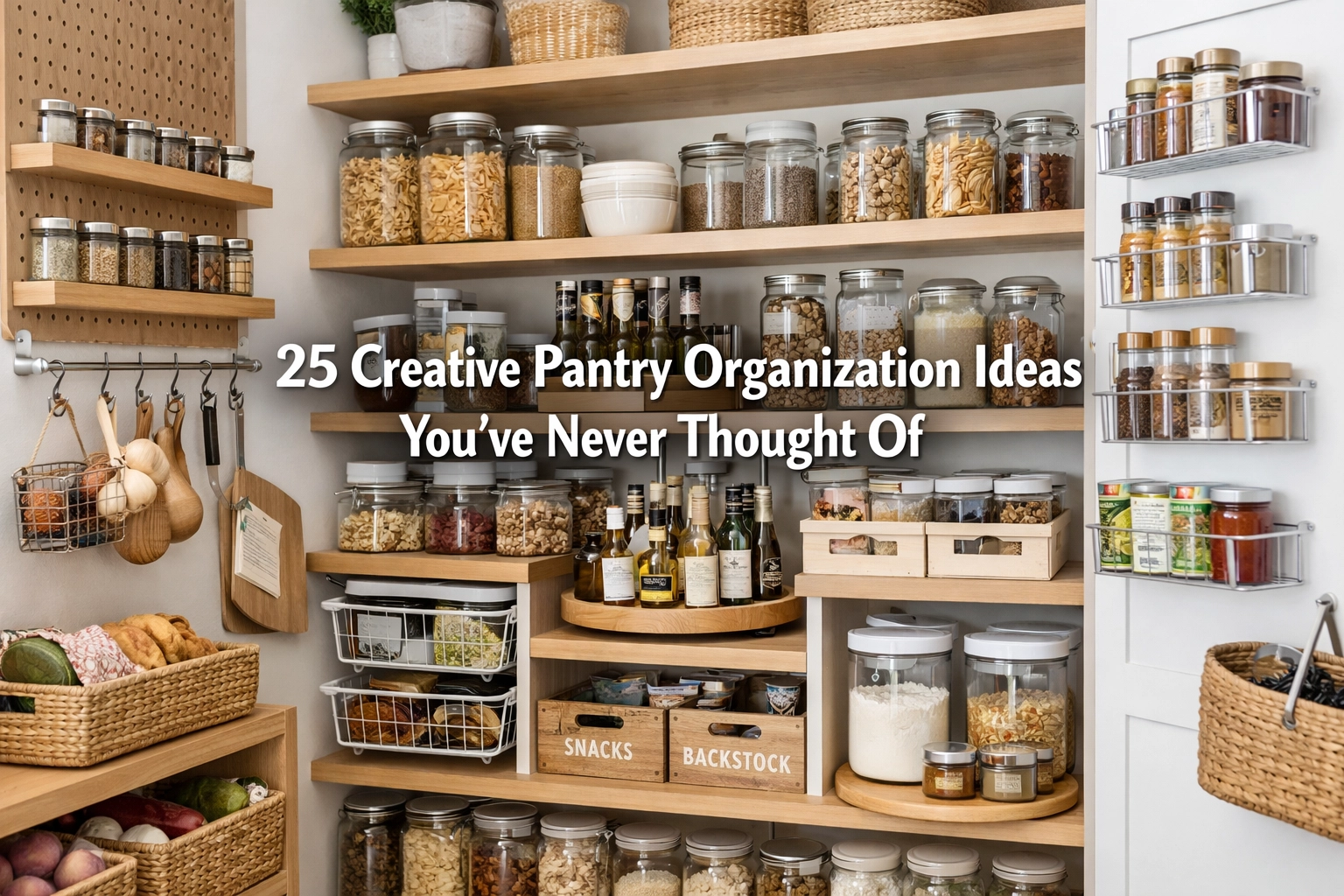
A well-organized pantry is the backbone of an efficient kitchen. When every ingredient has a designated place, meal preparation becomes faster, grocery shopping becomes more accurate, and food waste is significantly reduced. Many homeowners struggle with deep shelves where items get lost or vertical space that remains underutilized. Transforming a cluttered pantry into a functional storage system requires a combination of smart logistics and creative hardware solutions.
The following guide explores twenty-five innovative pantry organization ideas designed to maximize every square inch of storage space. These methods focus on visibility, accessibility, and long-term maintenance, ensuring the kitchen remains a place of inspiration rather than frustration.
Foundational Logic for Pantry Layout
Before implementing new hardware or containers, it is essential to understand the logic of “zoning.” A pantry functions best when it mimics the layout of a professional kitchen or a high-end grocery store.
1. Group Food by Type and Frequency of Use
Organizing items by category is the most effective way to maintain order. Common zones include baking supplies, breakfast items, canned goods, pasta and grains, and snacks. Placing frequently used items at eye level ensures they are easily accessible during the daily rush. Conversely, seasonal items or bulk backstock should be relegated to the highest or lowest shelves. For those looking to refine their home management skills, reviewing resources at the Paris Wheel blog can provide further insights into structured living environments.
2. Dedicate Each Shelf to a Specific Purpose
Instead of placing items wherever they fit, assign a “mission” to every shelf. For example, the bottom shelf might be reserved for heavy appliances and bulk beverages, while the middle shelves house daily essentials. This consistency trains the brain to know exactly where to look, reducing the time spent searching for a specific spice or snack.
Maximizing Vertical and Hidden Space
Most pantries suffer from “dead space”: the empty gaps between the top of a box and the shelf above it. Utilizing these areas can effectively double the storage capacity of a small walk-in or reach-in pantry.
3. Stack Breakables on Acrylic Risers
Shelf risers are often underutilized in the pantry. By placing acrylic or metal risers on a shelf, one creates a “second story” for shorter items. This is particularly useful for stacking soup bowls, dessert plates, or even small jars of preserves. Acrylic is often preferred because its transparency maintains a clean, airy look while allowing light to pass through to the items below.

4. Install Under-the-Shelf Drawers
Pull-out drawers that clip onto existing shelves are excellent for storing flat items or small snacks. These wire or plastic baskets utilize the space that usually goes to waste. They are ideal for storing packets of yeast, seasoning mixes, or individually wrapped snacks like granola bars.
5. Utilize Over-the-Door Organizers
The back of a pantry door is prime real estate. Installing a heavy-duty rack with adjustable bins can house everything from spices and oils to aluminum foil and plastic wrap. This moves high-use, small-profile items out of the main shelving area, freeing up space for larger containers.
6. Maximize Vertical Space to the Ceiling
In many homes, pantry shelving stops a foot or two below the ceiling. Extending shelves all the way up provides a perfect spot for items used only once or twice a year, such as holiday platters, large stockpots, or extra paper towels.
7. Add a Rolling Library Ladder
For pantries that utilize the full height of the room, a rolling ladder is both a functional necessity and a design statement. It allows safe and easy access to the highest reaches of the storage area. While often seen as a luxury, a ladder ensures that the top-most storage is actually used rather than becoming a “graveyard” for forgotten items.
Advanced Container Systems
The choice of containers can make or break a pantry system. The goal is to eliminate visual “noise” caused by mismatched cardboard packaging while keeping food fresh.
8. Decant Dry Goods into Glass Jars
Decanting: the process of moving food from its original packaging into uniform containers: is a hallmark of organized pantries. Glass jars with airtight lids are ideal for flour, sugar, rice, and beans. Not only does this keep pests away and food fresh, but it also allows for an instant visual inventory. Knowing exactly how much pasta is left prevents the accidental purchase of duplicates.

9. Use Stackable Plastic Containers for Grains
While glass is beautiful, stackable, BPA-free plastic containers are often more practical for high-traffic areas or homes with children. Rectangular or square containers are more space-efficient than round ones, as they sit flush against each other, leaving no gaps on the shelf.
10. Incorporate Woven Bins for Aesthetic Concealment
Not everything needs to be visible. Items with busy packaging, such as bags of chips or assorted snack packs, are best stored in woven or wicker bins. These hide the clutter while providing a cohesive, natural look to the pantry. Using bins also makes it easier to clean shelves, as one can simply slide out the bin rather than moving twenty individual items.
11. Repurpose Wooden Crates for a Vintage Look
Wooden crates offer a sturdy, rustic alternative to plastic bins. They are particularly useful for heavier items like glass bottles of vinegar or large bags of potatoes. For those who enjoy a DIY approach, these can be stained or painted to match the kitchen’s decor.
12. Use Large Floor Baskets for Bulk Items
The floor of the pantry is often a catch-all for clutter. By placing large, heavy-duty baskets on the floor, one can neatly store bulk items like 20-pound bags of rice, pet food, or extra gallons of water. This keeps the floor clear and makes it easier to sweep or mop.
Specialized Hardware Solutions
Sometimes, the standard “shelf and wall” setup is not enough. Adding specialized hardware can solve specific storage dilemmas, such as deep corners or heavy cookware.
13. Install Lazy Susans in Corners
Corner spaces in pantries are notoriously difficult to reach. A Lazy Susan (rotating turntable) solves this by bringing items from the back to the front with a simple spin. These are perfect for oils, vinegars, and condiments that tend to get pushed into dark corners.
14. Turn Shelves into Pull-Out Drawers
Deep cabinets can be a source of frustration as items in the back are forgotten until they expire. Retrofitting these shelves with sliding drawer tracks allows the entire contents of the shelf to be pulled out into the light. This is a highly effective way to manage canned goods and heavy jars.
15. Hang a Wall-Mounted Pegboard
If wall space is available within the pantry, a pegboard is a versatile storage solution. It can hold pots, pans, colanders, and large serving spoons. By hanging these items, one frees up significant shelf space for food storage. Pegboards are also highly customizable; hooks and baskets can be moved as the kitchen’s needs change.

16. Optimize Pull-Out Cabinets
In modern kitchen designs, narrow pull-out cabinets are often used for spices or baking sheets. To maximize these, ensure they have dividers. For spices, tiered inserts allow the labels of the back rows to be seen over the front rows.
17. Build Custom DIY Shelving
Sometimes, pre-fabricated shelving doesn’t fit the specific dimensions of a pantry. Building custom shelves allows for specialized heights: shorter shelves for canned goods and taller ones for cereal boxes: ensuring that every inch of the wall is utilized efficiently.
Environmental and Visibility Enhancements
An organized pantry is only useful if the user can see what is inside. Proper lighting and structural visibility play a massive role in maintaining the system.
18. Shine a Light with Task Lighting
Many pantries suffer from a single, dim overhead bulb. Installing motion-sensor LED strip lights under shelves or inside cabinets can transform the space. When the door opens and the shelves illuminate, it becomes significantly easier to find small items and read expiration dates.
19. Install a Sliding Glass Door
For walk-in pantries, replacing a solid swing door with a sliding glass door (or a “barn door” style) can save space and add character. Frosted glass offers a compromise between visibility and tidiness, allowing light to enter the pantry while slightly obscuring the contents from the main kitchen area.

20. Use Mesh Drawers for Fresh Produce
Onions, potatoes, and garlic require airflow to stay fresh. Storing them in airtight plastic bins can lead to premature spoilage. Mesh or wire drawers allow for maximum ventilation while keeping these items contained and off the floor.
21. Install a Vintage Shelf for Character
Mixing modern organization with vintage elements can make the pantry feel like a curated part of the home. Adding a single reclaimed wood shelf for displaying heirlooms, cookbooks, or frequently used mixing bowls adds warmth to an otherwise utilitarian space.
The Power of Information and Maintenance
The final step in a creative pantry overhaul is the system of identification. Without labels and a maintenance plan, even the most beautiful pantry will eventually return to chaos.
22. Label Everything
Labeling is the “secret sauce” of organization. It ensures that every member of the household knows where items belong. Labels can be as simple as handwritten chalkboard stickers or as sophisticated as embossed plastic tags. Crucially, labels should also be used on the edges of shelves to mark specific zones.

23. Use Shelf Stackers for Canned Goods
Canned goods are heavy and difficult to stack safely. Gravity-fed can organizers or tiered shelf stackers allow for “First-In, First-Out” (FIFO) rotation. When a new can is added at the back, the oldest can moves to the front, ensuring that food is consumed before it expires.
24. Create a “Task” Station
If space permits, dedicate a section of the pantry to a specific task, such as a “Coffee Station” or a “Baking Nook.” Keeping the flour, sugar, baking soda, and measuring cups in one localized area reduces the amount of movement required during food preparation.
25. Implement a Monthly Audit
The most creative organization idea is the commitment to maintenance. Once a month, one should spend ten minutes checking for expired items and wiping down shelves. This prevents small messes from becoming overwhelming projects. For more tips on maintaining a clean and orderly home, the Customer Help section often contains practical advice for navigating home-related inquiries.
Conclusion
Creating an organized pantry is not a one-time event but an ongoing process of refinement. By utilizing vertical space, decanting dry goods into uniform containers, and installing specialized hardware like Lazy Susans and pull-out drawers, any pantry: regardless of size: can become a model of efficiency.
The transition from a cluttered closet to a streamlined storage system relies on visibility and accessibility. When a homeowner can see what they have, they cook more often, spend less at the store, and enjoy a more peaceful kitchen environment. Implementing even a few of these ideas can have a profound impact on the daily flow of the household. For those interested in expanding their knowledge of home systems and organization, exploring the various categories at Paris Wheel offers a wealth of educational opportunities.

