
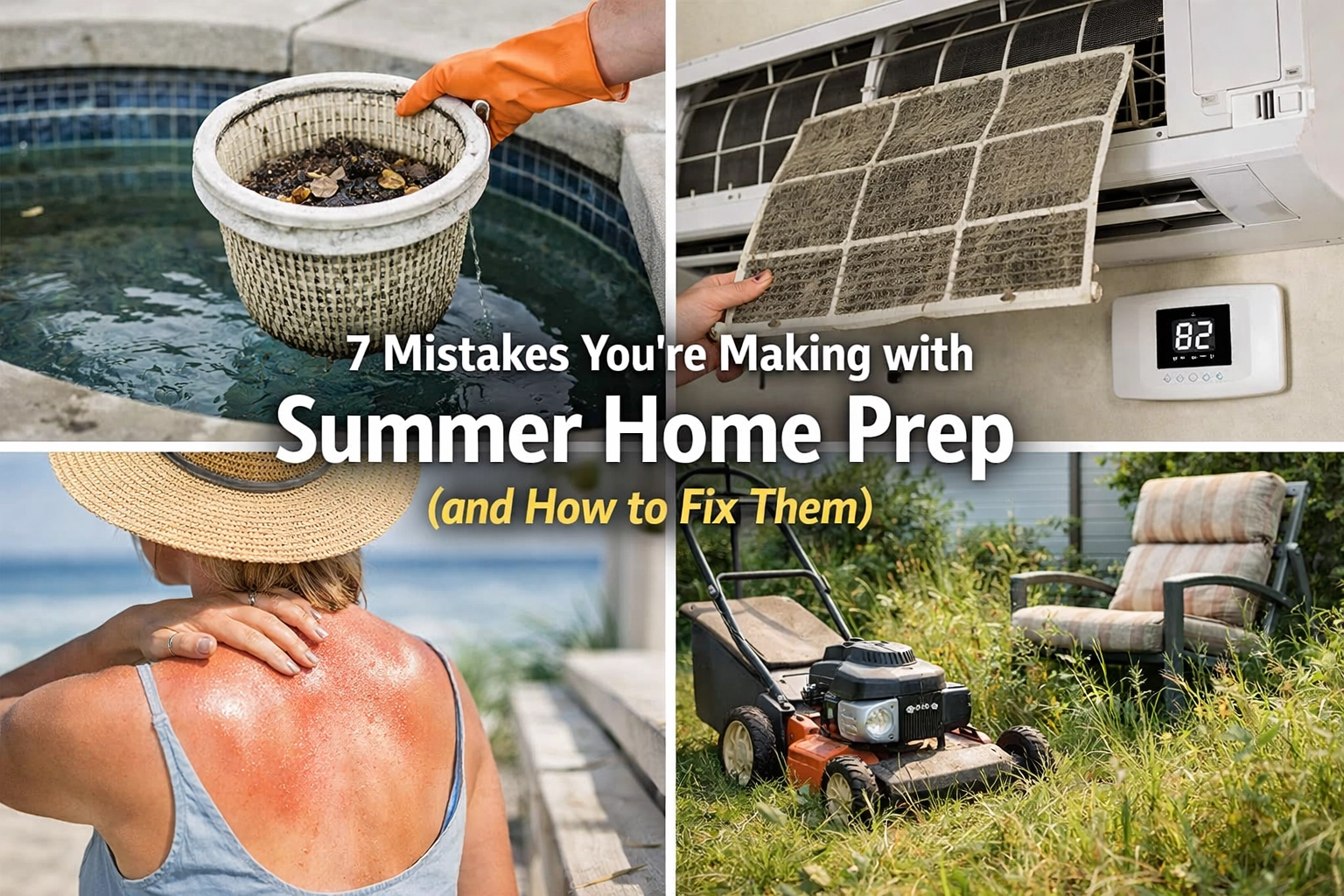
Preparing a home for the summer months involves more than just bringing out the patio cushions and turning on the air conditioner. Effective seasonal transition requires a strategic approach to maintenance, energy efficiency, and organization. When handled correctly, summer preparation protects the structural integrity of the property, reduces utility costs, and enhances daily comfort. However, several common errors often occur during this transition, leading to unnecessary repairs or uncomfortable living conditions.
Understanding these pitfalls is the first step toward a more efficient and enjoyable summer season. By identifying the most frequent mistakes in home preparation, homeowners can implement practical solutions that save time and money.
1. Cleaning Windows During Peak Sunlight
One of the most common tasks on a summer preparation list is cleaning the windows to let in the bright seasonal light. However, performing this task on a hot, sunny afternoon is a strategic error. When glass cleaner is applied to a window that has been heated by direct sunlight, the liquid evaporates almost instantly. This rapid evaporation does not allow enough time for the cleaning agent to lift dirt and grime, resulting in unsightly streaks and a cloudy residue that is difficult to remove.
The solution to this problem is timing. Windows should be cleaned on a cloudy day or during the early morning and late evening hours when the glass is cool to the touch. This allows the cleaning solution to stay wet long enough to be wiped away properly. Using a high-quality squeegee and a microfiber cloth ensures a professional finish. Furthermore, starting from the top and working downward prevents dirty water from dripping onto sections that have already been cleaned.
2. Neglecting Air Conditioning Maintenance and Energy Efficiency
Waiting until the first heatwave to test the air conditioning system is a risk that often leads to emergency repair costs. A cooling system that has sat idle for months can accumulate dust, debris, and even mold. Operating a unit with a clogged filter or dirty coils forces the system to work harder, increasing energy consumption and shortening the lifespan of the equipment.
Professional Maintenance and Filters
At a minimum, the air filter should be replaced every 30 to 90 days, depending on the presence of pets or allergies. Beyond the filter, the outdoor condenser unit requires attention. Clearing away tall grass, weeds, and fallen leaves from around the unit ensures proper airflow.
Smart Energy Management
Another mistake is failing to automate the cooling schedule. Many homeowners leave the air conditioner running at a high level even when the house is empty. Integrating technology such as a voice control wifi smart switch socket allows for better management of fans or portable cooling units. These devices help in creating a cooling routine that aligns with the times residents are actually home, preventing energy waste.

3. Overlooking Outdoor Sanitation and Pest Prevention
As temperatures rise, so does the rate of bacterial growth and the activity of local pests. A significant mistake in summer home prep is failing to sanitize outdoor waste areas. Hot weather intensifies odors from garbage cans, which acts as a beacon for flies, ants, and rodents. If left unmanaged, these pests can quickly find their way from the exterior bins into the kitchen.
To fix this, garbage and recycling bins should be scrubbed with a mixture of water and vinegar or a specialized outdoor disinfectant at least once a week during the summer. Ensuring that all bags are tightly sealed before being placed in the bin is essential. Additionally, standing water in gutters or birdbaths should be cleared or refreshed frequently to prevent mosquitoes from using the home as a breeding ground.
4. Failing to Manage Indoor Humidity Levels
Summer is not just about heat; in many regions, humidity is the primary cause of discomfort. A common mistake is assuming that the air conditioner will handle all moisture issues automatically. High humidity levels inside the home can lead to mold growth, particularly in bathrooms and basements. When showers are used more frequently during the summer, the steam contributes to a persistent dampness that settles into grout and tiles.
Bathroom Care
To prevent “grimy” summer showers, it is necessary to use exhaust fans for at least 20 minutes after every bath or shower. Using a squeegee to remove excess water from shower walls immediately after use significantly reduces the chance of mold development.
Airflow and Dehumidification
In areas of the home where air circulation is poor, a dedicated dehumidifier may be necessary to keep levels between 30% and 50%. This not only protects the home’s structure but also makes the air feel cooler, allowing the thermostat to be set a few degrees higher without sacrificing comfort.

5. Improper Use of Pressure Washers on Home Exteriors
The desire to “deep clean” the home’s exterior often leads to the misuse of pressure washers. Using a high-pressure setting on wooden decks, vinyl siding, or older brickwork can cause permanent damage. High-pressure water can strip the finish off wood, crack concrete, and force water behind the siding, where it can cause hidden rot and mold.
The correct approach involves using the “low-pressure” or “soap” nozzle for most residential surfaces. A specialized cleaning solution should be applied and allowed to sit for several minutes before being rinsed away with a wide-angle spray pattern. It is important to keep the nozzle at a distance and avoid pointing it directly at window seals, vents, or electrical outlets. For delicate areas, a soft-bristle brush and a garden hose are often safer and more effective than a power washer.
6. Neglecting Patio Furniture and Outdoor Fabrics
Many homeowners assume that outdoor furniture is designed to withstand all conditions without maintenance. However, leaving patio sets exposed to constant UV rays and summer thunderstorms will lead to fading, cracking, and structural weakness. Metal furniture can rust, while wood can warp and lose its protective sealant.
Protection and Storage
Applying a UV-resistant protectant to wooden and plastic furniture at the start of the season can extend its life significantly. When storms are forecasted, cushions should be moved indoors or stored in a waterproof deck box. For those who prefer a more mobile outdoor lifestyle, utilizing a portable ultra-thin folding camping mat for picnics or sunbathing can reduce the need for bulky, permanent furniture that requires high maintenance.
Routine Cleaning
Regularly wiping down tables and chairs with a damp cloth prevents the buildup of pollen and dust, which can become abrasive over time. If furniture is not being used for an extended period, using breathable, weatherproof covers is the best way to prevent damage from the sun and rain.

7. Poor Seasonal Transition and Storage Habits
The final mistake many make is failing to properly transition the home’s interior from winter to summer. Keeping heavy textiles, thick rugs, and winter wardrobes in active living spaces makes a home feel cramped and traps heat. Furthermore, storing winter items without proper preparation can lead to damage from moths or moisture.
Clothing and Fabric Care
Before storing winter sweaters and wool coats, they should be thoroughly cleaned. Removing pills and fuzz with a rechargeable hair ball trimmer ensures that garments are in top condition when they are retrieved in the fall. Items should be stored in airtight containers or vacuum-sealed bags to save space and provide protection.
Organizing Summer Essentials
Summer brings its own set of clutter, from sunscreens and bug sprays to outdoor accessories. Failing to organize these items leads to a chaotic environment. Using a 360-degree rotating cosmetic receiving box is an efficient way to keep summer skincare and daily essentials accessible yet tidy. Organizing by frequency of use helps maintain a calm and functional household during the busiest months of the year.

Maintaining the Summer Routine
Fixing these mistakes is not a one-time event but rather the start of a seasonal routine. By adjusting the timing of cleaning tasks, staying ahead of mechanical maintenance, and utilizing the right organizational tools, the home remains a sanctuary against the heat.
Focusing on the small details: such as the pressure of a water hose or the timing of a window wash: prevents the need for costly interventions later in the season. A well-prepared home operates more smoothly, remains cleaner for longer, and provides a healthier environment for all residents. Implementing these fixes ensures that the focus remains on enjoying the season rather than managing home-related stress.

