
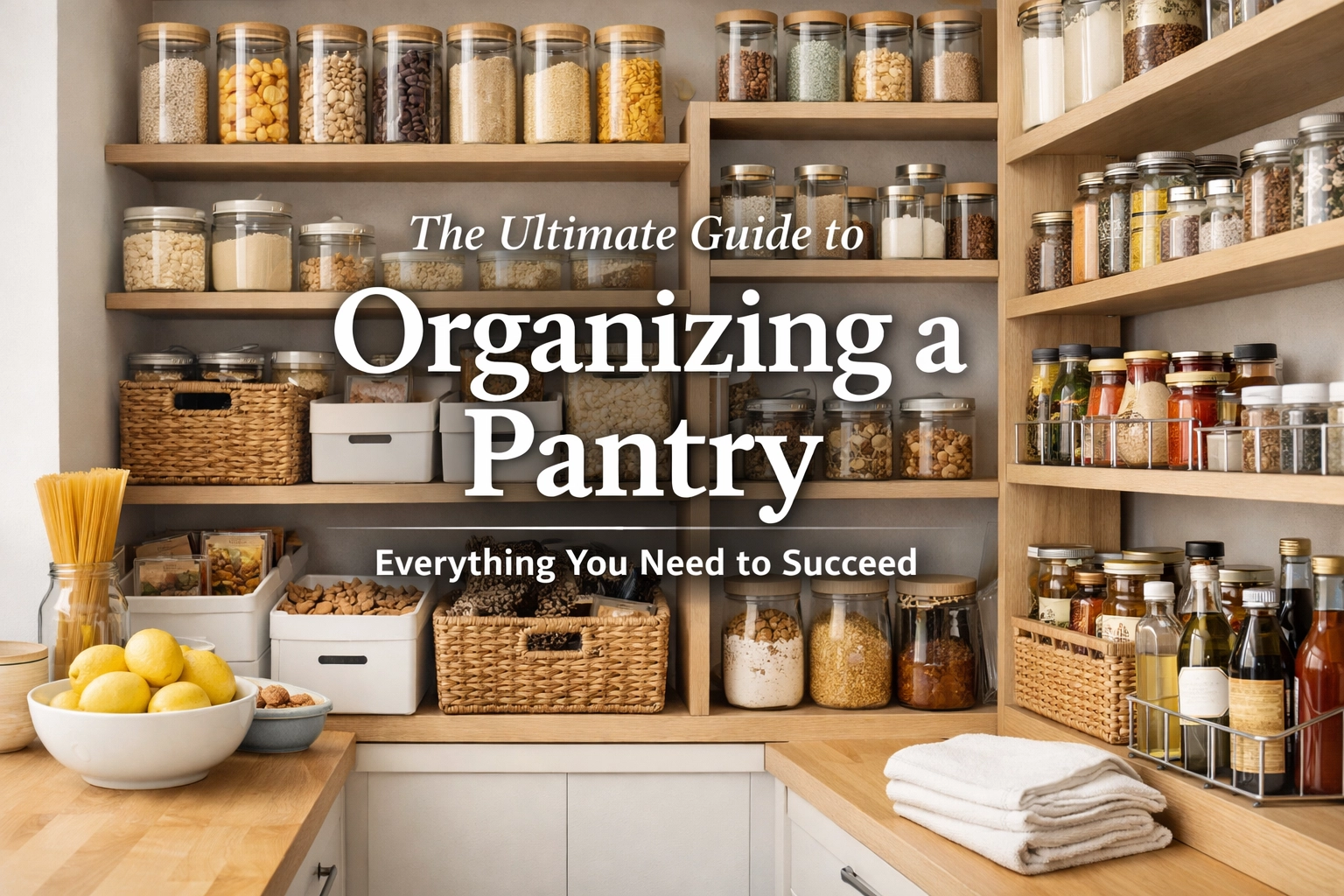
An organized pantry is the backbone of an efficient kitchen. Beyond the aesthetic appeal of neatly lined jars and labeled bins, a well-structured storage system reduces food waste, streamlines meal preparation, and saves money by preventing duplicate purchases. Transforming a chaotic cupboard into a functional resource requires a systematic approach that balances accessibility with logical categorization.
Whether dealing with a spacious walk-in pantry or a compact reach-in cabinet, the principles of organization remain the same. The goal is to create a sustainable environment where every item has a designated home, making it easy for every member of the household to find what they need and, perhaps more importantly, put things back where they belong.
The Importance of a Fresh Start: The Assessment Phase
Effective organization cannot happen in a crowded space. The first step in any successful pantry overhaul is a total reset. This involves removing every single item from the shelves and placing them on a large flat surface, such as a kitchen island or dining table. Seeing the entire inventory at once provides a realistic perspective on the volume of goods and the current state of the supplies.
During this stage, it is crucial to check expiration dates. Food safety is paramount, and items that have passed their prime should be discarded. For items that are still safe to consume but unlikely to be used, consider donating them to a local food bank. This process not only creates physical space but also ensures that the pantry only contains items that will actually be consumed.
Once the shelves are bare, take the opportunity to perform a deep clean. Dust, crumbs, and sticky spills tend to accumulate in the corners of pantry shelves over time. Wiping down surfaces with a damp cloth and a mild cleaner creates a hygienic foundation for the new system. For hard-to-reach corners or textured surfaces, a multifunctional dust-removing brush can be helpful in ensuring all debris is removed before restocking begins.

Categorizing by Function and Frequency
After the space is clean and the inventory is purged, the next step is categorization. Rather than grouping items simply by size or brand, it is more effective to group them by how they are used in daily life. This “zoning” technique ensures that all components for a specific task are located in one place.
Common Pantry Zones
- Baking Zone: Flour, sugar, baking soda, chocolate chips, and extracts.
- Breakfast Zone: Cereals, oatmeal, pancake mix, maple syrup, and coffee supplies.
- Dinner Essentials: Pasta, rice, quinoa, canned beans, and jarred sauces.
- Snack Station: Crackers, granola bars, nuts, and dried fruit.
- Beverage Center: Tea boxes, juice packs, and sparkling water.
- The “Backstock” Area: Bulk items or extra quantities of staples that do not fit in the primary display.
By organizing into these functional categories, the pantry becomes intuitive. For instance, when it is time to bake, one only needs to access the baking zone rather than searching through the entire pantry for vanilla extract. This logical flow is a hallmark of everyday living efficiency.
Strategic Placement: The Anatomy of a Shelf
Placement is just as important as categorization. Items should be positioned based on their frequency of use and the physical ergonomics of the person using the space.
Eye-Level Shelving: The Prime Real Estate
The shelves located between the waist and eye level are the most valuable areas of the pantry. These should be reserved for items used daily, such as cereals, frequently used grains, and healthy snacks. If items are visible and easy to reach, they are more likely to be used before they expire.
Lower Shelves: Heavy and Kid-Friendly
Lower shelves are ideal for heavy items like gallon-sized oils, large bags of rice, or heavy kitchen appliances. This is also the best location for kid-friendly snacks. Placing healthy options in low, accessible bins allows children to help themselves safely without needing to climb or reach.
Upper Shelves: Seasonal and Occasional
The highest shelves should be used for lightweight items or products used only occasionally. This includes holiday-specific baking supplies, specialty ingredients for rare recipes, or extra paper goods. Because these items are reached for less frequently, the inconvenience of using a step stool is minimized.

Selecting the Right Storage Solutions
Choosing the right containers is about more than just a cohesive look; it is about preservation and visibility. While it may be tempting to buy a matching set of bins immediately, it is better to measure the shelf dimensions first to maximize the use of every square inch.
Airtight Clear Containers
Transferring dry goods: such as flour, sugar, and pasta: from their original packaging into clear, airtight containers serves three purposes. First, it keeps food fresh for longer by preventing exposure to air and pests. Second, it allows for instant visual inventory; it is easy to see when the flour is running low. Third, it eliminates the visual clutter of mismatched boxes and bags.
Baskets and Bins
Baskets are excellent for containing “floppy” items like bags of chips, packets of seasoning, or pouches of tuna. Solid bins can hide visual clutter, while wire or mesh baskets allow for visibility. When choosing bins, consider the depth of the shelf. Deep shelves benefit from long, narrow bins that can be pulled out like a drawer, preventing items from getting “lost” in the back.
Utilizing Rotating Storage
Corner cabinets or deep shelves often suffer from dead space where items are forgotten. A 360-degree rotating organizer, often used for cosmetics but equally effective in a kitchen setting, can solve this problem. Placing oils, vinegars, or spices on a rotating receiving box allows for easy access to every bottle with a simple turn, ensuring nothing is shoved into a dark corner and forgotten.

Maximizing Vertical and Hidden Spaces
Many pantries have untapped potential in the form of vertical height or unused door space. If shelves are spaced far apart, a significant amount of air space is wasted.
Shelf Risers and Tiered Organizers
Shelf risers create an extra “mini-shelf” within a shelf, which is perfect for canned goods or jars. This prevents the need to stack cans on top of each other, which can be unstable and makes it difficult to see what is underneath. Similarly, tiered “stadium” seating style organizers for spices or small jars allow every label to be visible at once.
Over-the-Door Storage
The back of a pantry door is one of the most underutilized areas in the kitchen. Over-the-door racks can hold an immense amount of small items, such as spices, sprinkles, foil boxes, or snacks. This frees up precious shelf space for larger items and keeps small necessities at eye level.
Under-Shelf Baskets
For lightweight items like bread, napkins, or tea bags, under-shelf baskets can be slid onto an existing shelf to utilize the empty space hanging below it. This is a non-permanent way to add an extra layer of storage without any tools.
The Power of Labeling for Longevity
Labels are the secret to maintaining an organized pantry over the long term. They serve as a roadmap for everyone in the household. When a container is labeled “Oatmeal,” there is no confusion about where the new bag of oats should go.
Labels should be clear and easy to read. Options include:
- Vinyl stickers: Durable and sleek, great for a permanent look.
- Chalkboard labels: Ideal for containers whose contents change frequently.
- Clip-on bin labels: Perfect for baskets where a sticker might not adhere well.
- Label makers: A quick and efficient way to create uniform, professional-looking labels.
When labeling, consider being slightly broad with categories for bins (e.g., “Snacks”) but specific for decanted jars (e.g., “Self-Rising Flour”). This flexibility allows the system to evolve as grocery habits change.

Addressing Specific Storage Challenges
Different types of food require different storage environments. Understanding these needs can prevent spoilage and clutter.
Spice Management
Spices lose their potency when exposed to heat and light. If the pantry is near an oven, ensure spices are stored in a cool, dark part of the pantry. Organizing spices alphabetically or by cuisine type (e.g., Mexican, Italian, Baking) can significantly speed up the cooking process.
Bulk Food Handling
Buying in bulk is cost-effective but can create storage headaches. The “First In, First Out” (FIFO) method is essential here. When restocking, place newer items behind older ones to ensure the older stock is used first. If a bulk bag is too large for the primary container, store the excess in a “backstock” bin on a high shelf and use it to refill the primary container as needed.
Root Vegetable Storage
Potatoes, onions, and garlic should be stored in a cool, dark, and well-ventilated place. Avoid storing onions and potatoes together, as onions release gases that can cause potatoes to sprout faster. Breathable wire or wicker baskets are ideal for these items to ensure proper airflow.
Organizing Based on Pantry Type
The physical layout of the pantry dictates the best organizational strategy.
The Walk-In Pantry
With more room to move, the walk-in pantry allows for distinct zones. Use the back wall for the most frequently used items and the side walls for specialty goods. A walk-in pantry is also a great place to store small appliances like mixers or blenders that would otherwise clutter the kitchen counter.
The Reach-In Cabinet
In a standard kitchen cabinet used as a pantry, depth is often the biggest challenge. Utilize pull-out drawers or deep bins with handles to make it easier to access items at the back. Shelf risers are particularly effective in these smaller spaces to double the usable surface area.
The Freestanding Pantry
If a kitchen lacks a built-in pantry, a freestanding wardrobe or shelving unit can serve the same purpose. In this case, aesthetic consistency is more important since the unit may be visible to guests. Using uniform baskets can help the unit blend into the room’s decor while providing vital storage.

Maintaining the System: Daily and Monthly Habits
No organization system is “set it and forget it.” Maintenance is required to prevent the pantry from reverting to its original state.
Weekly Reset
Before going grocery shopping, spend five minutes doing a “quick sweep.” Straighten up the rows, move items that have migrated to the wrong zone, and check for any empty containers that need refilling. This also helps in creating an accurate shopping list, preventing the purchase of items already in stock.
Seasonal Deep Clean
Every three to six months, perform a more thorough check. Look for items nearing their expiration date and move them to the front. Wipe down any shelves that have gathered dust or spills. This is also a good time to evaluate if the current zones are still working. If the family has started eating more grains and fewer canned goods, adjust the shelf heights or bin sizes accordingly.
The “One In, One Out” Rule
To prevent overcrowding, try to follow a “one in, one out” rule for specialty items. If a new type of exotic sauce is purchased, try to finish an existing one before adding more to the shelf. This keeps the inventory manageable and the space breathable.
The Role of Lighting in Pantry Organization
Visibility is often hindered by poor lighting. A dark pantry makes it difficult to read labels and easy to lose items in the back. If the pantry does not have built-in lighting, consider battery-operated LED motion-sensor lights. These can be easily stuck to the underside of shelves or the ceiling of the pantry, illuminating the space the moment the door opens. For those who enjoy reading recipes or labels in dim light, a portable LED light can provide focused illumination exactly where it is needed.
Creating a Sustainable Pantry Culture
The ultimate success of a pantry organization project depends on the cooperation of everyone in the household. It is helpful to walk family members through the new system, explaining where the various zones are located and why specific items are placed in certain bins.
When the system is intuitive and easy to maintain, it stops being a chore and becomes a seamless part of the daily routine. An organized pantry isn’t just about beautiful jars; it’s about creating a calm, efficient environment that supports the health and productivity of the home. By following these steps: assessing, categorizing, choosing the right tools, and maintaining the order: anyone can achieve a pantry that works perfectly for their lifestyle.

