
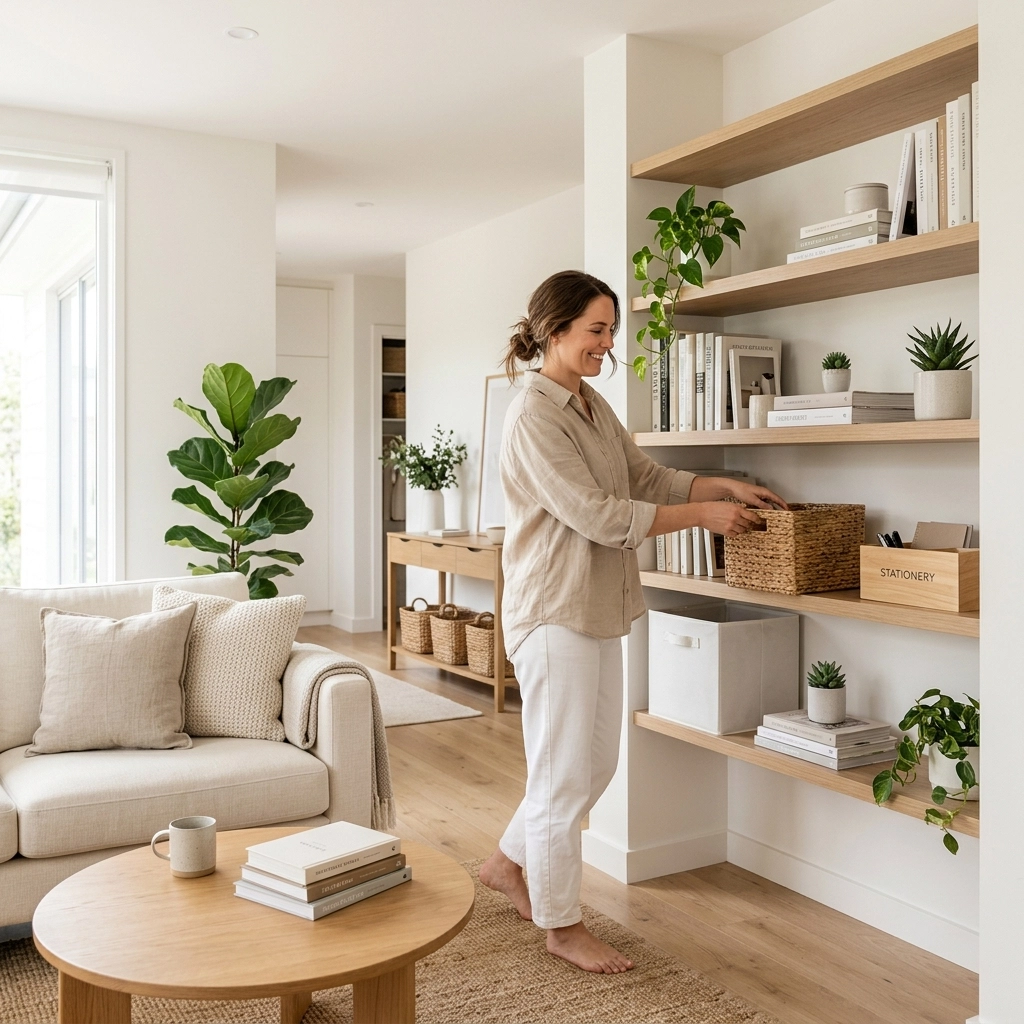
A home is more than just a physical structure; it is a sanctuary, a place for rest, and a hub for daily activities. However, when the physical space becomes overwhelmed by excessive belongings, the home can transform from a place of peace into a source of stress. Clutter is often an accumulation of postponed decisions, and tackling it requires a structured approach that combines practical strategies with sustainable habits.
This guide provides a comprehensive framework for reclaiming living spaces, offering detailed methodologies for decluttering every room and implementing storage solutions that work for the long term. By understanding the principles of organization and the psychology of why items accumulate, it becomes possible to create a functional, serene environment that supports a modern lifestyle.
The Psychological Impact of Clutter
Living in a cluttered environment has documented effects on mental well-being. Excessive visual stimuli compete for the brain’s attention, leading to increased cortisol levels and a sense of being overwhelmed. When every surface is covered with items, the mind finds it difficult to focus or relax.
Decluttering is not merely about aesthetics; it is an act of reclaiming mental clarity. Removing unnecessary items reduces “decision fatigue”: the exhaustion caused by having too many choices or having to navigate around obstacles to find essential tools. A streamlined home allows for smoother transitions between daily tasks, from cooking dinner to preparing for work, ultimately saving time and emotional energy.
The SOS Decluttering Method
To avoid the common pitfall of moving clutter from one pile to another, it is helpful to follow a proven framework. The SOS method: Simplify, Organize, and Systematize: offers a repeatable logic that can be applied to any space, whether it is a small junk drawer or a three-car garage.
Phase 1: Simplify
Simplification is the process of editing possessions. It involves removing everything from a specific area to see the space in its raw form. By pulling every item out of a cabinet or closet, the true volume of belongings becomes apparent.
During this phase, items should be categorized into four groups: keep, donate, recycle, and discard. The decision-making process should be based on utility and joy. If an item has not been used in the past year and does not serve a specific aesthetic or sentimental purpose, it is likely a candidate for removal.
Phase 2: Organize
Once only the essential items remain, they must be assigned a logical “home.” Organization is about accessibility. High-use items should be stored in “prime real estate”: the areas between the shoulders and knees that are easiest to reach. Seasonal or rarely used items can be moved to higher shelves or lower bins.
Phase 3: Systematize
The final phase focuses on maintenance. A system is a set of rules or habits that prevent clutter from returning. This might include a rule that mail is processed immediately upon entering the house or a daily five-minute “reset” where items are returned to their designated spots before bed.

Planning the Decluttering Journey
Attempting to declutter an entire house in a single day often leads to burnout and a larger mess than when the project started. A strategic timeline ensures progress remains manageable.
The 10-Day Checklist for Rapid Progress
For those seeking visible results quickly, a 10-day sprint can be effective. Each day focuses on a specific category rather than a whole room:
- Day 1: Personal Care. Toiletries, expired makeup, and old skincare products.
- Day 2: Medicine and First Aid. Safely disposing of expired medications and replenishing essentials.
- Day 3: Apparel. Focusing on shoes, coats, and primary clothing.
- Day 4: Paperwork. Sorting mail, documents, and office supplies.
- Day 5: The Junk Drawer. Tackling the catch-all spaces in the kitchen or hallway.
- Day 6: Kitchen Cabinets. Editing cookware and utensils.
- Day 7: Recreational Items. Toys, hobby supplies, and sports equipment.
- Day 8: Linens and Cleaning Supplies. Towels, sheets, and detergents.
- Day 9: The Pantry. Checking expiration dates and grouping food items.
- Day 10: Sentimental Items. Managing photos, keepsakes, and miscellaneous gifts.
Long-Term Planning for Large Homes
In larger residences, a three-month plan may be more realistic. This involves dedicating one weekend to a specific room or a major zone, such as the attic or the basement. Breaking the project into 15–30 minute daily blocks can also maintain momentum without requiring a massive time commitment. For more information on maintaining a schedule, visiting the Paris Wheel blog can provide further insights into lifestyle management.
Room-by-Room Storage Solutions
Every room presents unique challenges and requires specific storage strategies to maximize efficiency.
The Kitchen: Maximizing Utility
The kitchen is the heart of the home but also the primary site for “clutter creep.” To maintain clear countertops, items should be stored based on the “work triangle”: the space between the stove, sink, and refrigerator.
- Vertical Storage: Use tiered organizers for spices and canned goods to ensure every label is visible.
- Deep Drawers: Install dividers for pots and pans to prevent stacking, which often leads to scratches and difficulty accessing lower items.
- Under-Sink Management: Use expandable shelving units to navigate around plumbing, and clear bins to hold cleaning supplies.
The Living Room: Creating a Multi-Functional Space
The living room often serves many purposes: relaxation, entertainment, and sometimes a home office.
- Hidden Storage: Furniture with built-in storage, such as ottomans or coffee tables with drawers, provides a place for blankets, remote controls, and board games.
- Zoning: Use rugs or furniture placement to define specific areas. A dedicated basket for children’s toys can be easily moved when the space needs to transition from a playroom to a formal gathering area.

The Bedroom and Closet: Curating a Sanctuary
A bedroom should facilitate rest. Visual clutter in this space can disrupt sleep patterns.
- The One-Year Rule: If a piece of clothing has not been worn in a full cycle of seasons, it is time to donate it.
- Uniform Hangers: Using identical hangers creates visual harmony and allows clothes to hang at the same height, making the closet feel more organized.
- Under-Bed Storage: This is ideal for off-season clothing or extra linens. Using vacuum-sealed bags can further maximize this space.
The Bathroom: Streamlining the Routine
Bathrooms are often small and prone to moisture. Storage solutions must be durable and easy to clean.
- Acrylic Bins: Clear bins allow for quick inventory of toiletries and prevent “doubling up” on products.
- Over-the-Door Organizers: These are excellent for hair tools, lotions, or extra rolls of toilet paper in bathrooms with limited cabinet space.
- Medicine Cabinets: Reserve this space for items used daily, such as toothbrushes and contact lens supplies.
Advanced Storage Principles
Finding storage solutions is not just about buying more bins; it is about using the existing architecture of the home more effectively.
Utilizing Vertical Space
Most homeowners ignore the space above eye level. Installing shelving that reaches the ceiling can provide storage for items used only once or twice a year, such as holiday decorations or large serving platters. High shelving keeps the floor clear, making rooms feel larger and more open.
The Power of Labeling
Labels are the “GPS” of a home organization system. They inform every household member where an item belongs, reducing the likelihood of things being misplaced. For opaque bins, labels are essential for identifying contents without having to open every box.
Zone-Based Organization
Grouping items by activity (e.g., a “baking zone,” a “mailing station,” or a “coffee bar”) increases efficiency. When all tools for a specific task are located in one place, the time spent searching for components is eliminated.

Managing Paper and Digital Clutter
Physical objects are not the only form of clutter. Paper and digital files can be just as overwhelming.
The “One-Touch” Rule for Mail
To prevent paper piles, adopt the one-touch rule: as soon as mail is brought into the house, it is either shredded, recycled, or filed in a “to-do” folder. Never place a piece of mail on a counter to be dealt with “later.”
Digital Storage Solutions
Digital clutter includes unorganized photos, thousands of unread emails, and desktop icons. Using cloud-based storage and creating a clear folder hierarchy (e.g., Year > Category > Event) can make digital assets easier to manage. Periodically unsubscribing from unnecessary marketing emails can also reduce daily digital noise. For those interested in receiving curated updates instead of clutter, signing up for a newsletter is a structured way to stay informed.
Sustainable Decluttering and Disposal
Decluttering should be done with environmental responsibility in mind. Simply throwing everything in the trash contributes to landfill waste.
- Donation Centers: Many organizations accept gently used clothing, furniture, and household goods.
- Textile Recycling: Items that are too worn for donation (such as stained clothes or torn towels) can often be taken to textile recycling centers to be turned into insulation or industrial rags.
- E-Waste: Old electronics, batteries, and lightbulbs require specialized disposal. Many local municipalities offer e-waste collection days.
- Sell Responsibly: For high-value items, online marketplaces can be a good way to find them a new home while recouping some costs. However, set a deadline: if the item doesn’t sell within two weeks, donate it to maintain momentum.

Maintaining the Clutter-Free Home
The most challenging part of decluttering is not the initial purge, but the long-term maintenance. Without new habits, the home will eventually return to its previous state.
The “One In, One Out” Rule
For every new item brought into the home, one item must leave. This is particularly effective for clothing, kitchen gadgets, and toys. This rule forces a moment of reflection before a purchase: “Is this new item better than what I already own?”
The Daily Reset
A “daily reset” involves spending 10 to 15 minutes each evening returning items to their designated homes. This prevents small messes from accumulating into large projects. It ensures that the following morning begins in a clean, organized environment.
Regular Audits
Every six months, it is helpful to perform a “mini-audit” of high-traffic areas like the pantry, the entryway, and the primary closet. These areas are most susceptible to clutter and may require a quick re-simplification as seasons change. For answers to common questions regarding home management, the FAQ page offers a wealth of information.
Conclusion
Decluttering is a journey toward a more intentional way of living. It requires an initial investment of time and energy, but the rewards: reduced stress, increased productivity, and a more beautiful home: are significant. By following the SOS method and implementing smart storage solutions, anyone can transform their living space into a functional and peaceful environment.
The goal is not to achieve a state of perfect minimalism, but to create a home that serves the needs of those living within it. For more resources on personal development and home organization, explore the various pages available on the Paris Wheel website.


