
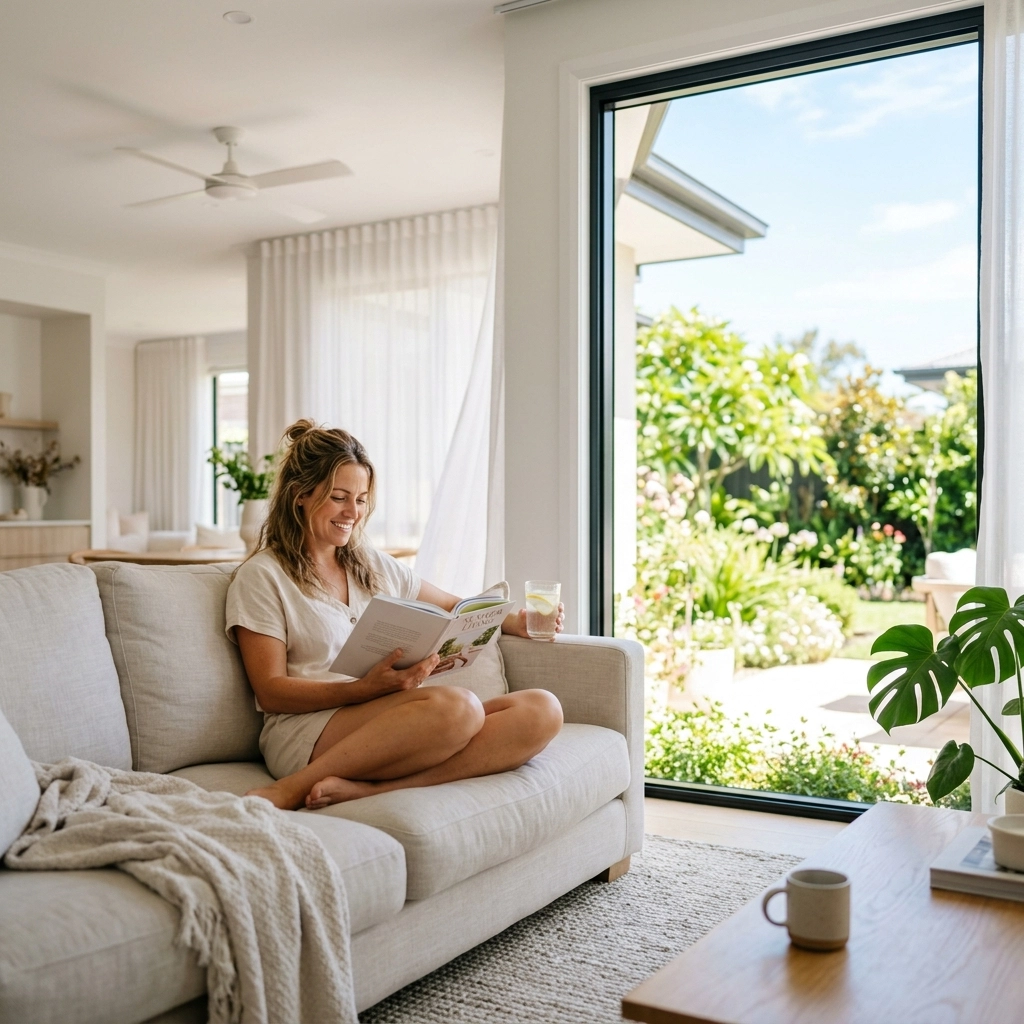
Maintaining a comfortable home during the peak of summer requires more than just lowering the thermostat. True seasonal comfort is a multifaceted goal involving mechanical efficiency, building science, and strategic lifestyle adjustments. As outdoor temperatures rise, the home environment can become a sanctuary or a source of stress depending on how well the living space is prepared for the heat.
This guide explores the comprehensive steps necessary to optimize indoor environments, ensuring efficiency and comfort throughout the warmest months of the year.
The Mechanics of Cooling: HVAC Maintenance
The primary line of defense against summer heat is the Heating, Ventilation, and Air Conditioning (HVAC) system. Without regular maintenance, these units work harder, consume more energy, and are more prone to failure during a heatwave.
Air Filter Management
One of the most critical maintenance tasks is the frequent replacement of air filters. During the summer, dust and allergens circulate at higher rates. A clogged filter restricts airflow, forcing the system to run longer cycles to reach the desired temperature. This not only increases utility costs but also places undue strain on the blower motor. Filters should be checked every 30 days and replaced at least every 90 days, or more frequently in households with pets.
Professional Inspections
A pre-season professional inspection is essential. Technicians check refrigerant levels, clean the evaporator and condenser coils, and ensure that electrical components are functioning safely. A clean condenser unit: the part located outside: is vital for heat exchange. If the coils are covered in dirt, grass clippings, or debris, the system cannot effectively release the heat gathered from inside the house.
Smart Thermostat Implementation
Transitioning to a programmable or smart thermostat can significantly impact comfort and cost. These devices allow for precise scheduling, such that the home remains at a moderate temperature (around 78 degrees Fahrenheit) while unoccupied and cools down shortly before residents return. This prevents the “over-cooling” phenomenon where a system is pushed to its limits to rapidly drop temperatures from 85 to 70 degrees in a single hour.

Strengthening the Building Envelope
The building envelope refers to the physical barrier between the interior and exterior of a home. In summer, the goal is to prevent hot air from infiltrating and cool air from escaping.
Insulation Upgrades
While often associated with winter, insulation is equally important for summer comfort. It acts as a retardant to heat transfer. The attic is the most significant area of concern. On a 90-degree day, attic temperatures can soar to 140 degrees. Without adequate insulation, that heat radiates through the ceiling and into the living spaces below. Adding blown-in cellulose or fiberglass batts can create a more stable indoor climate.
Sealing Air Leaks
Small gaps around windows and doors can lead to significant cooling loss. Utilizing high-quality caulk for permanent gaps and weatherstripping for moveable parts like doors and window sashes is a cost-effective way to improve comfort. A simple way to detect leaks is to move a lit incense stick around window frames; if the smoke wavers, air is moving through the gap.
The Role of Attic Ventilation
Passive or active attic ventilation helps mitigate the “oven effect” in the upper levels of a home. Ridge vents, soffit vents, and attic fans work together to pull in cooler air and push out the superheated air trapped at the top of the house. This reduces the radiant heat load on the rooms directly beneath the attic.
Window Strategies and Solar Heat Gain
Windows are often the weakest link in a home’s thermal defense. Direct sunlight entering through glass can quickly turn a room into a greenhouse.
External and Internal Shading
Blocking sunlight before it hits the glass is the most effective method of cooling. Awnings, shutters, and even strategically placed tall shrubs can provide necessary shade. Internally, using blackout curtains or cellular shades can reduce solar heat gain by up to 77%. Keeping these window treatments closed during the hottest parts of the day: typically between 10:00 AM and 4:00 PM: is essential for temperature control.
Window Films and Coatings
For windows that offer a view that shouldn’t be blocked, reflective or low-emissivity (Low-E) window films can be applied. These films are designed to reflect infrared light while allowing visible light to pass through, keeping the room bright but cool.

Maximizing Natural Ventilation and Airflow
Air movement does not lower the temperature of a room, but it increases the rate of evaporation from the skin, creating a “wind-chill” effect that makes individuals feel up to four degrees cooler.
Strategic Use of Ceiling Fans
During the summer, ceiling fans should be set to rotate counter-clockwise. This direction creates a downdraft that provides a cooling breeze. It is important to remember that fans cool people, not rooms. Leaving a fan running in an empty room provides no cooling benefit and wastes electricity.
The Cross-Breeze Technique
In regions where evening temperatures drop significantly, natural ventilation can replace air conditioning. Opening windows on opposite sides of the house creates a cross-breeze. To maximize this, fans can be placed in windows: one facing inward to pull cool air in, and another on the opposite side facing outward to push warm air out.
High-Efficiency Air Movement
In larger homes, a whole-house fan can be an effective tool. Installed in the attic floor, these fans pull large volumes of air through open windows and exhaust it through the attic vents. This can quickly flush out a day’s worth of accumulated heat in the evening.
Interior Adjustments for a Cooler Atmosphere
The physical contents of a home can influence the perception of heat. Making small changes to the interior setup can enhance the feeling of coolness.
Textile Swaps
Heavy fabrics like velvet, wool, and thick synthetics trap heat. For summer, these should be replaced with breathable materials. Linen and cotton are ideal for sofa covers, pillowcases, and rugs. Removing thick area rugs to expose hardwood or tile floors can also help, as these surfaces feel cooler to the touch. When organizing your seasonal transition, using items like a flying branch hair ball trimmer can help refresh lightweight fabrics that have been in storage.
Light and Scent
The psychological impact of the environment is significant. Using “cool” light bulbs (daylight or 5000K spectrum) can make a space feel crisper compared to the warm, yellow glow of traditional bulbs. Additionally, scents like peppermint, eucalyptus, or citrus can provide a refreshing sensory experience. A cosmic speculation scented candle can offer a light, clean fragrance that complements a summer-ready living room.

Optimizing Sleep and Bedroom Comfort
Hot nights are often the most challenging part of the summer season. Achieving deep sleep requires a drop in core body temperature, which is difficult if the bedroom environment is stifling.
Bedding Materials
Breathable sheets are a necessity. Percale cotton or bamboo-derived fabrics allow for better airflow than traditional sateen weaves. For families with infants, maintaining a cool sleeping surface is vital for safety and rest; a baby sleep pad sleeping pillow can help manage temperature for the youngest members of the household.
Evening Routines
Keeping the bedroom doors open during the day helps with air circulation, while closing the curtains early prevents the room from heating up in the afternoon sun. If the air is particularly dry, a small humidifying fan or a bowl of ice placed in front of a floor fan can provide temporary relief before bed. For those who enjoy reading to wind down, a bookmark light provides targeted illumination without the heat generated by larger bedside lamps.
Outdoor Living and Safety
Summer comfort extends to the porch, patio, and garden. These areas should be treated as extensions of the home.
Creating Shade Structures
Pergolas, umbrellas, and sail shades are essential for making outdoor areas usable during the day. If a permanent structure is not feasible, portable options allow for flexibility. When heading out for a picnic or to relax in a shaded part of the yard, a portable ultra thin folding camping mat provides a clean, dry surface for relaxation.
Hydration and Health
Managing heat exposure is a health priority. It is important to stay hydrated and monitor physical responses to high temperatures. Keeping track of vital signs during extreme heat can be a part of a general wellness routine, utilizing tools such as an upper arm electronic blood pressure monitor to ensure the body is coping well with the seasonal shift.
Summer Wardrobe and Mobility
Comfort is also determined by what is worn while performing home maintenance or enjoying the outdoors. Lightweight clothing, such as summer shorts, allows for better movement and heat dissipation. When traveling to summer destinations or simply organizing the car for a beach trip, a car trunk storage bag keeps essential summer gear: like towels and sunscreen: readily accessible.

Managing Humidity for Comfort
Temperature is only one part of the comfort equation; humidity is the other. High humidity prevents sweat from evaporating, which is the body’s natural cooling mechanism.
Dehumidification
In humid climates, an air conditioner acts as a dehumidifier, but sometimes it isn’t enough. If the indoor air feels “sticky” even when the temperature is low, a standalone dehumidifier may be necessary. Maintaining indoor humidity levels between 30% and 50% is the ideal range for both comfort and the prevention of mold growth.
Moisture-Producing Activities
Homeowners should limit activities that add moisture to the air during the day. Taking shorter, cooler showers, using exhaust fans in bathrooms, and avoiding boiling large pots of water on the stove can help keep humidity levels in check. Covering pots while cooking and using a dishwasher only at night also reduces the amount of steam released into the living space.
Efficient Water Use and Landscaping
The exterior of the home influences the interior temperature. A dry, brown lawn reflects more heat than a lush, green one, but water conservation is also a priority in many regions.
Smart Irrigation
Watering early in the morning, before 10:00 AM, ensures that the water reaches the roots rather than evaporating in the sun. This keeps the ground cooler and the plants healthier. Mulching garden beds helps retain moisture and lowers the soil temperature, which in turn can have a slight cooling effect on the air immediately surrounding the home.
Strategic Planting
Deciduous trees planted on the south and west sides of a home provide shade in the summer while allowing sun to warm the house in the winter after the leaves fall. This “living shade” is one of the most sustainable ways to manage home temperatures over the long term.

Summer Organization and Cleaning
A cluttered home can feel smaller and more stifling. Seasonal cleaning helps improve airflow and creates a more serene environment.
Decluttering for Airflow
Moving furniture away from vents and ensuring that hallways are clear allows air to circulate more freely. This is also a good time to organize seasonal items. Using specialized storage, like an aunt towel storage bag for small personal items, helps keep surfaces clear.
Dust and Allergen Control
Summer often brings more dust and pollen into the house through open windows. Regular dusting and vacuuming are necessary to maintain air quality. For refreshing upholstery or removing lint from summer linens, a dust removing brush is a practical tool to keep the home feeling fresh.
Summary of Seasonal Maintenance
To achieve lasting summer comfort, homeowners should follow a systematic approach:
- Mechanical: Service the AC, change filters, and program the thermostat.
- Structural: Seal leaks, check attic insulation, and manage window shading.
- Lifestyle: Use fans correctly, swap to breathable textiles, and manage indoor humidity.
- Outdoor: Create shade, maintain the lawn efficiently, and prioritize hydration.
By addressing these various factors, it is possible to create a home environment that remains cool, efficient, and comfortable even during the most intense heatwaves. Preparation is the key to enjoying the season without the stress of rising energy bills or an uncomfortable living space. For more tips on home management and seasonal living, exploring a variety of posts and guides can provide ongoing inspiration for a well-maintained home.

