
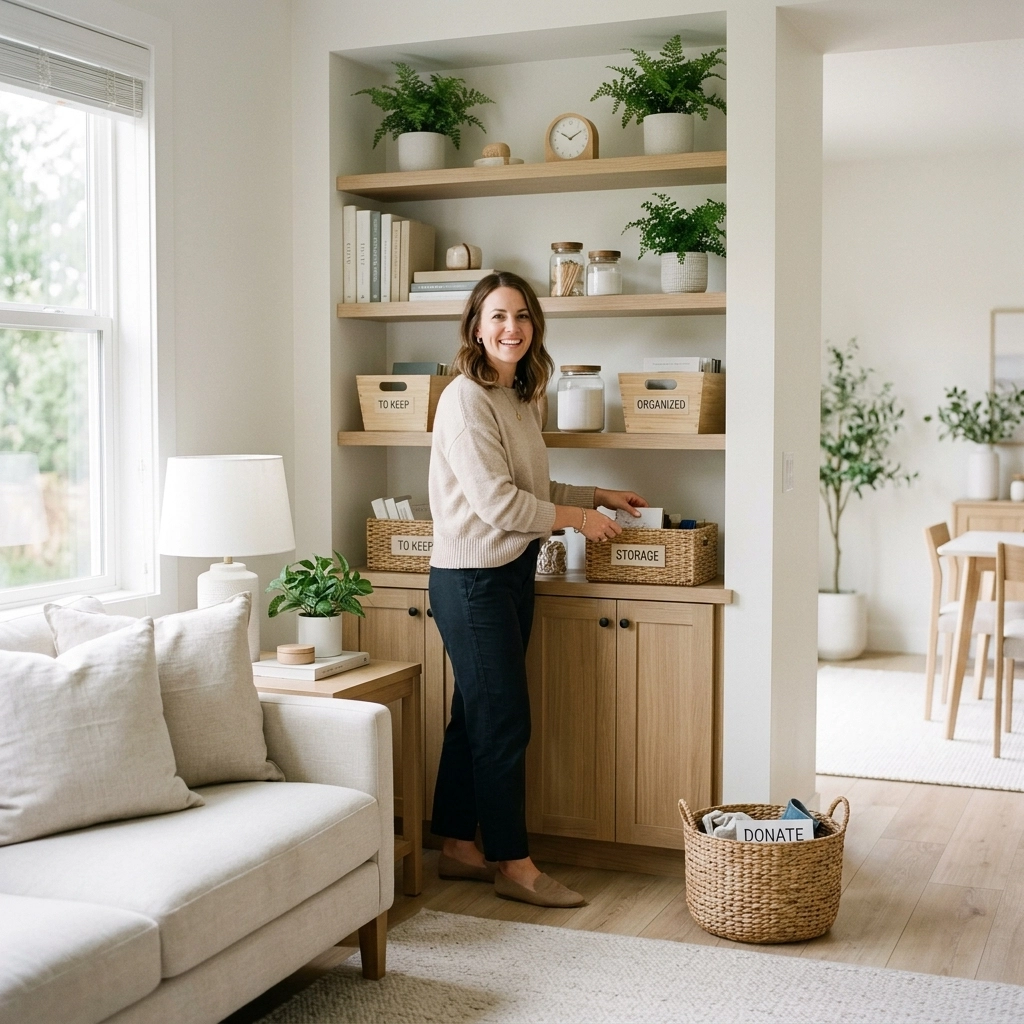
Maintaining a tidy home often feels like a secondary priority when balanced against professional responsibilities, family commitments, and personal well-being. However, the physical state of a living environment directly impacts mental clarity and stress levels. Clutter is not merely a collection of objects; it represents postponed decisions and unfinished tasks. For busy households, the traditional “marathon cleaning” approach is rarely sustainable. Instead, a systematic, step-by-step methodology allows for incremental progress that remains manageable over the long term.
This guide outlines a five-step process designed to remove the overwhelming nature of home organization, transforming it into a series of repeatable habits. By focusing on systems rather than just chores, any household can transition from a state of constant catching up to a proactive maintenance routine.
Step 1: Establish Realistic Scope and Small Wins
The most common hurdle in home organization is the urge to tackle the entire house in a single weekend. For most busy individuals, this leads to burnout and a “halfway-finished” mess that is more stressful than the original clutter. The first step involves narrowing the focus to small, high-impact areas.
The 20-Minute Sprint Technique
Rather than dedicating a whole day, utilize 20-minute intervals. Set a timer and focus exclusively on one small zone: a single junk drawer, a bathroom cabinet, or a coat closet. This technique prevents decision fatigue and makes the task feel achievable even after a long workday.
Defining Success Criteria
Before starting, define what “clean” looks like for that specific area. Is the goal to clear the surface of a desk, or to organize the contents of the drawers? Having a clear end goal prevents the project from creeping into other rooms and ensures a sense of accomplishment once the timer goes off.

Step 2: The Blank Slate Method
To truly understand the volume of items in a space, it is necessary to remove everything. Surface-level tidying often hides clutter rather than removing it. By emptying a shelf or a closet completely, the space is reset to a “blank slate.”
Identifying Problem Areas
As items are removed, take note of what has accumulated. Are there duplicate kitchen gadgets? Is the wardrobe filled with items that no longer fit? Emptying the space forces a physical interaction with every object, which is essential for making objective decisions.
Assessing the Flow
A blank space also allows for a reassessment of how the area functions. If a hallway table is always covered in mail and keys, it may be time to implement a more robust system, such as using a wireless key finder to ensure essential items have a designated, trackable home. Identifying these friction points is the key to preventing the same clutter from returning.
Step 3: Implement a Rigorous Sorting System
Effective decluttering requires a clear destination for every item. Without a system, items simply move from one pile to another. The most effective method involves four distinct categories: Relocate, Donate, Recycle, and Trash.
The Four-Category Breakdown
- Relocate: These are items that belong in the home but have migrated to the wrong room. For example, a stray book in the kitchen or a tool in the bedroom.
- Donate: Items that are in good condition but no longer serve a purpose for the household.
- Recycle: Paper, plastics, and glass that can be processed.
- Trash: Broken items, expired products, or things that are no longer usable.
Managing the Outflow
It is vital to move the “Donate” and “Trash” piles out of the house as soon as possible. Keeping bags of donations by the front door for weeks creates a new form of visual clutter. For smaller items that often get lost in larger bags, specialized containers like a portable storage bag can help keep loose essentials organized during the transition.

Step 4: Objective Decision-Making and Culling
Deciding what to keep is often the most emotionally taxing part of the process. To remain objective, use a specific set of questions for every item:
- Have I used this in the last 12 months?
- Does this item serve a clear purpose or bring genuine value?
- If I were shopping today, would I buy this again?
The “Just in Case” Trap
Many households are filled with items kept “just in case” they are needed in the future. If an item can be replaced for less than $20 in less than 20 minutes, it is generally safe to let go. This rule significantly reduces the volume of “junk” that clutters garages and basements.
Handling Sentimental Items
Sentimental clutter should be handled last. Once the “muscle” for decluttering functional items is built, it becomes easier to address items with emotional weight. Consider digitizing photos or keeping only one representative item from a collection rather than the entire set.
Step 5: Building Sustainable Maintenance Routines
The final and most important step is ensuring the clutter does not return. This requires a shift from “deep cleaning” to “daily maintenance.”
The One-In, One-Out Rule
For every new item brought into the home, one item must leave. This is particularly effective for clothing and kitchenware. If a new pair of shoes is purchased, an old or worn-out pair should be donated or discarded.
The 15-Minute Nightly Reset
Before bed, the household should spend 15 minutes returning items to their designated homes. This prevents the “clutter creep” that happens during a busy week. During this time, utilize tools like a dust removing brush to quickly refresh upholstery or clothing, ensuring that maintenance includes both organization and cleanliness.

Strategic Room-by-Room Organization
While the five-step process applies to the entire home, certain rooms require specific strategies due to the types of items they house.
The Kitchen: Maximizing Efficiency
The kitchen is often the hub of the home and the primary collector of miscellaneous items. Focus on clearing countertops first. Only appliances used daily: such as a coffee maker: should reside on the counter. Everything else should be stored in cabinets. Use vertical space for spices and oils to keep the cooking area clear.
The Bathroom: Managing Small Essentials
Bathrooms often suffer from an accumulation of expired products and half-used bottles. Use rotating storage solutions to maximize cabinet depth. A 360-degree rotating cosmetic receiving box can keep daily skincare and toiletries accessible while preventing them from spreading across the vanity.
The Entryway and Vehicle: Controlling the Influx
The entryway is the first line of defense against clutter. Ensure there is a dedicated spot for shoes, mail, and bags. This organization should extend to the vehicle, which often acts as a mobile storage unit. Utilizing a car trunk storage bag ensures that emergency kits, grocery bags, and sports equipment remain contained and don’t spill over into the passenger cabin.

Addressing Visual Clutter and Mental Health
Visual clutter refers to the items that are technically “put away” but are still visible and distracting. Open shelving, crowded magnetic refrigerators, and piles of papers on a desk all contribute to a feeling of chaos.
Clearing Surfaces
Flat surfaces are “clutter magnets.” By keeping dining tables, kitchen islands, and nightstands clear, the room immediately feels more spacious. If an item doesn’t have a designated “home” behind a closed door or drawer, it is more likely to become permanent surface clutter.
The Role of Lighting and Fragrance
Once a space is decluttered, enhancing the environment can encourage the household to maintain it. A clean, well-lit room feels more valuable. Simple additions like soft lighting or a subtle fragrance can transform a room from a storage area into a sanctuary, reinforcing the desire to keep it tidy.
Creating a Household Cleaning Schedule
Decluttering removes the excess, but a cleaning schedule keeps the remaining items in good condition. A tiered approach is most effective for busy households:
Daily Tasks (5-10 minutes)
- Make the bed.
- Wipe down kitchen counters.
- Load/unload the dishwasher.
- Sort the mail immediately.
Weekly Tasks (30-60 minutes)
- Vacuum and mop high-traffic floors.
- Clean bathrooms.
- Change bed linens.
- Dust visible surfaces.
Monthly/Seasonal Tasks
- Deep clean the oven and refrigerator.
- Wash windows.
- Declutter one specific “hidden” area, like the attic or under the stairs.

Involving the Entire Household
For those living with partners or children, decluttering cannot be a solo mission. It requires a shared understanding of where items belong.
Age-Appropriate Tasks for Children
Children can be taught to manage their own clutter from a young age. Using color-coded bins or labels with pictures helps them identify where toys belong. Making the process a game: such as a “10-item pickup race”: can reduce resistance.
Shared Responsibility
The mental load of managing a household should be distributed. If one person is responsible for the decluttering system, others should be responsible for following it. Consistent communication about the benefits of a clean home: such as less time spent looking for lost keys or more space for hobbies: helps keep everyone motivated.
Conclusion
Decluttering a home is not a one-time event but a continuous cycle of assessment and refinement. By breaking the process down into manageable steps and implementing daily systems, even the busiest households can achieve a state of order. The goal is not perfection, but rather a functional environment that supports the daily life of its inhabitants. When the home is organized, the focus shifts from managing possessions to enjoying the experiences that happen within its walls.

