
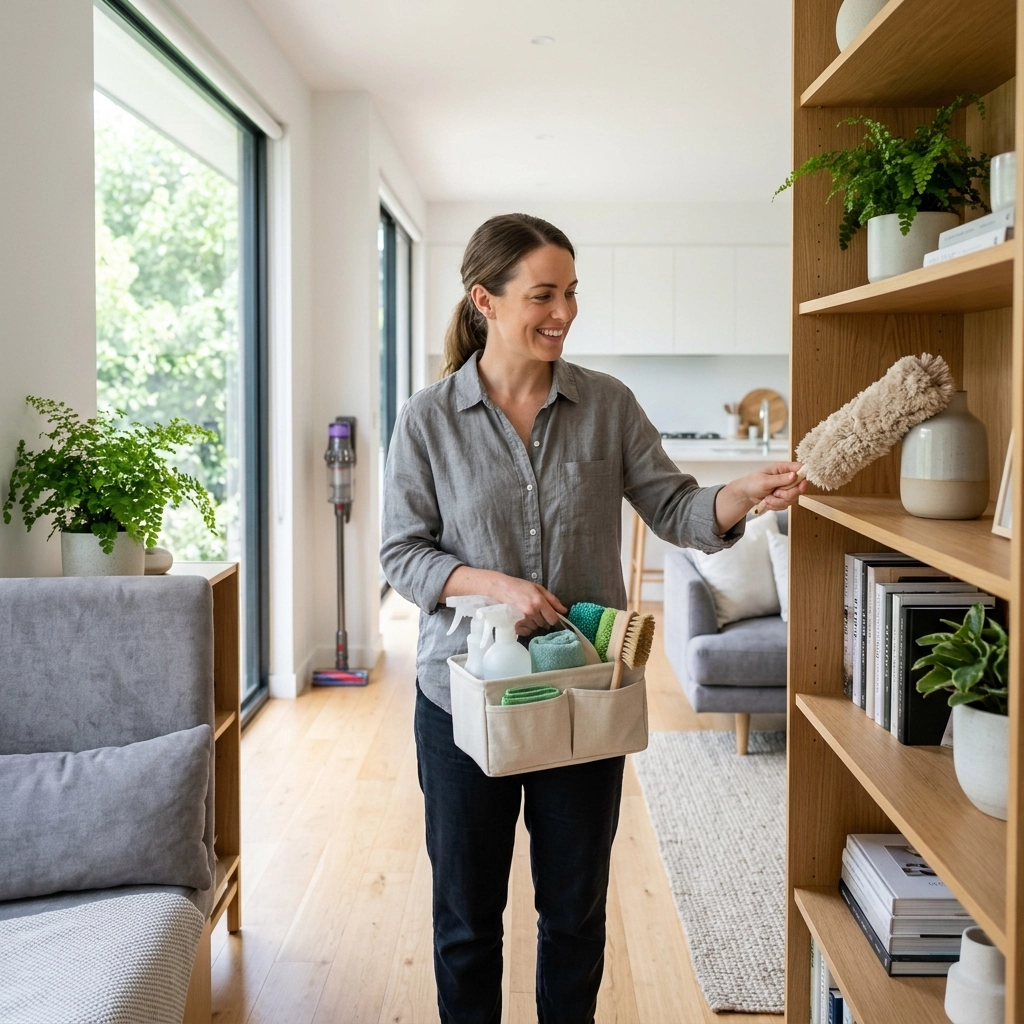
Maintaining a clean and organized home is often viewed as a daunting, never-ending task. However, efficiency in household management is less about the hours spent scrubbing and more about the systems put in place. By shifting from a reactive approach: cleaning only when the mess becomes overwhelming: to a proactive, scheduled routine, it is possible to maintain a pristine living environment with significantly less effort.
The goal of efficient cleaning is to maximize results while minimizing time and energy expenditure. This requires a combination of the right mindset, proper tools, and a systematic method that ensures no corner is overlooked.
The Foundation of Efficient Cleaning: Planning and Mindset
Efficiency begins before the first surface is even wiped. A lack of direction often leads to “puddle cleaning,” where one moves aimlessly from one spot to another without ever completing a full room. To avoid this, a structured plan is essential.
Establishing a Cleaning Schedule
A successful cleaning routine is built on three tiers: daily, weekly, and monthly tasks. This hierarchy prevents dirt from accumulating and turns deep cleaning into a manageable maintenance task rather than an all-day ordeal.
- Daily Tasks: These are non-negotiable habits that keep the home functional. They include making the bed, washing dishes immediately after meals, wiping down kitchen counters, and a five-minute evening “reset” to put away items that have migrated throughout the day.
- Weekly Tasks: These focus on hygiene and visible cleanliness. This includes vacuuming high-traffic areas, mopping floors, cleaning bathrooms, and changing bed linens.
- Monthly or Seasonal Tasks: These are deeper dives, such as dusting ceiling fans, cleaning baseboards, or organizing storage areas like the pantry or garage.
Using tools like a flying alarm clock can help in gamifying these tasks, setting a specific time limit for the morning routine to ensure efficiency.
The Power of Zone Cleaning
Zone cleaning involves dividing the home into specific areas and focusing on one area at a time. Rather than attempting to clean the entire house in one day, which often leads to burnout, one might focus on the kitchen on Monday, the bathrooms on Tuesday, and the living area on Wednesday. This ensures that each space receives thorough attention without the pressure of a ticking clock.
Preparing the Toolkit: Essential Supplies
Efficiency is hampered when one has to stop mid-task to find a specific cleaner or tool. Gathering all necessary supplies into a portable cleaning caddy is a hallmark of a professional approach.
The Basic Cleaning Caddy
A well-stocked caddy should include:
- Microfiber Cloths: These are superior to paper towels as they trap dust rather than spreading it.
- All-Purpose Cleaner: A versatile solution for most surfaces.
- Glass Cleaner: For mirrors and windows.
- Disinfectant: Crucial for high-touch areas like doorknobs and light switches.
- Scrub Brush and Old Toothbrush: For grout and tight corners.
- A Specialized Dusting Tool: A dust removing brush is particularly effective for removing lint and debris from upholstery and larger fabric surfaces.

Selecting the Right Equipment
High-quality equipment pays for itself in time saved. A vacuum with a HEPA filter is essential for households with pets or allergies. For garment care, maintaining the appearance of fabrics is part of the cleaning process. Utilizing a flying branch hair ball trimmer can quickly restore pilled sweaters and blankets, ensuring that cleaned textiles also look brand new.
The Systematic Cleaning Process
Once the plan is set and the supplies are ready, following a specific order of operations prevents rework and ensures every surface is addressed.
Step 1: Decluttering
It is impossible to clean a surface that is covered in objects. Decluttering is the vital first step. Everything that does not belong in the room should be gathered. Items destined for other rooms can be placed in a basket to be distributed later, while items meant for donation or disposal should be moved immediately.
For items that are frequently used but often misplaced, such as keys or small tools, using a wireless key finder can prevent the frustration of searching for essentials during a busy morning routine. Organization is a form of cleaning; by assigning a home to every object, the actual cleaning process becomes significantly faster.

Step 2: The Top-to-Bottom Rule
Gravity is a constant factor in cleaning. Dust and debris fall as surfaces are agitated. Therefore, cleaning must always begin at the highest point in a room and work downward.
- Ceilings and Corners: Dust crown molding and light fixtures.
- Walls and Mid-Level Surfaces: Wipe down shelves, picture frames, and windowsills.
- Countertops and Furniture: Move items to clean the surface underneath, rather than cleaning around them.
- Floors: Sweeping, vacuuming, and mopping should always be the final step.
Step 3: Dry Cleaning Before Wet Cleaning
Always remove loose dust and hair before applying liquid cleaners. Adding liquid to a dusty surface often creates a muddy residue that is much harder to remove. Use a dry microfiber cloth or a vacuum attachment on surfaces before applying sprays.
Room-by-Room Efficiency Strategies
Each room in a home presents unique challenges. Applying specific strategies to these high-impact areas can drastically reduce the time spent on chores.
The Kitchen: The Heart of Maintenance
The kitchen requires the most frequent attention due to food preparation and grease accumulation.
- Soak While You Work: For stubborn grime on stovetops or in microwaves, apply cleaner and let it sit for five to ten minutes while you perform other tasks. This “dwell time” allows the chemicals to break down the grease, requiring less physical scrubbing.
- Empty the Sink: A clean sink provides a psychological boost. Emptying the dishwasher in the morning ensures that dirty dishes can be tucked away immediately throughout the day.
- Organize the Counters: Minimize the number of appliances on the counter. Items used daily should stay; items used weekly should be stored.
The Bathroom: Sanitization and Order
Bathrooms benefit from a “clean as you go” mentality.
- The Shower Wipe: Keeping a squeegee in the shower and using it after every use prevents soap scum buildup and hard water stains.
- Surface Organization: To keep vanity tops clear, use vertical storage solutions. A 360-degree rotating cosmetic receiving box keeps daily essentials accessible but contained, making it easy to lift one item to wipe the counter beneath.

The Living Areas: Dust and High-Touch Zones
Living rooms are often the most used spaces and require focus on upholstery and electronics.
- Electronic Care: Use specialized cloths for screens to avoid scratching.
- High-Touch Points: Doorknobs, remote controls, and light switches are magnets for bacteria. These should be wiped down weekly.
- Furniture Maintenance: Use the vacuum’s upholstery attachment to reach deep into cushions.
The Bedroom: A Sanctuary for Rest
The primary focus in the bedroom is dust reduction and linen management.
- The Bed Habit: Making the bed immediately upon waking sets a productive tone for the day.
- Nightstand Management: Keep only essentials on the nightstand to reduce dusting time. Small items like reading materials can be organized with a luminous led bookmark to keep the space functional and tidy.
Advanced Efficiency Hacks
Beyond the basics, several professional techniques can further streamline the process.
The “One-Touch” Rule
The “one-touch” rule suggests that when you pick up an item, you do not put it down until it is in its final destination. This prevents the “shifting” of clutter from one surface to another and saves significant time over the course of a week.
Micro-Cleaning During Transitions
Incorporate cleaning into “dead time.” While waiting for the coffee to brew or a pot to boil, wipe down a drawer or organize a shelf. These two-minute bursts of activity prevent tasks from piling up.
Strategic Organization for Mobility
For those who travel or enjoy outdoor activities, efficiency extends to the vehicle. A car trunk storage bag ensures that cleaning supplies or recreational gear are organized and do not spill, keeping the car interior cleaner for longer.

Maintaining the Routine
The secret to a clean home is not the intensity of the cleaning session, but the consistency of the routine.
The Evening Reset
Taking fifteen minutes every night to restore the “baseline” of the home makes the next morning significantly easier. This includes:
- Loading and starting the dishwasher.
- Wiping down the kitchen island.
- Straightening sofa cushions and folding throws.
- Ensuring entryways are clear of shoes and bags.
Smart Home Integration
Modern technology can assist in maintaining a routine. Using a voice control wifi smart switch can allow for scheduled lighting or the operation of cleaning appliances (like air purifiers or robotic vacuums) even when no one is home.
Seasonal Deep Dives
Four times a year, dedicate a weekend to tasks that fall outside the weekly scope. This includes cleaning behind large appliances, washing curtains, and organizing closets. During these times, it is helpful to assess what items are no longer serving a purpose and to donate them, keeping the volume of “stuff” in the home manageable.

Summary of Best Practices
To achieve ultimate cleaning efficiency, remember these core principles:
- Plan Ahead: Use a schedule to avoid decision fatigue.
- Stay Mobile: Keep supplies in a caddy.
- Follow the Flow: Always clean from top to bottom and left to right.
- Pre-Treat: Let cleaning products do the heavy lifting by giving them time to work.
- Stay Consistent: A little bit of cleaning every day prevents the need for a marathon session on the weekend.
By adopting these systems, the home becomes a place of relaxation rather than a source of stress. Efficiency is not about being perfect; it is about creating a functional, healthy environment that supports one’s lifestyle without demanding all of one’s free time. Consistent habits and the right tools allow anyone to master their household routine and enjoy the benefits of a truly clean space.

