
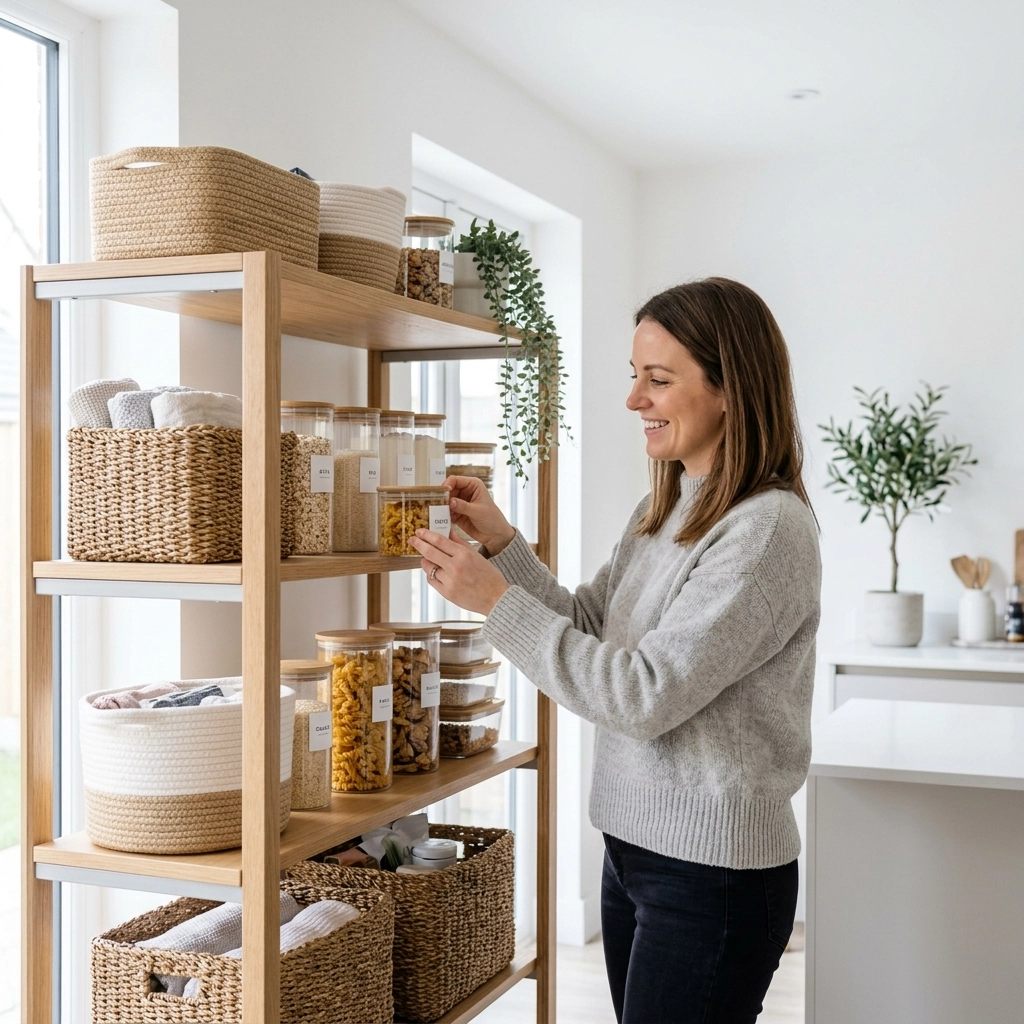
The journey toward an organized home often begins with a surge of motivation and a trip to the local home goods store. However, many people find that despite purchasing an array of bins, baskets, and dividers, the clutter eventually returns. This happens because home organization is not merely about owning storage products; it is about creating sustainable systems that align with daily habits and the physical realities of a living space.
The difference between a Pinterest-worthy pantry and a functional one lies in avoiding common pitfalls that hinder long-term order. By identifying these frequent storage mistakes, it becomes possible to implement solutions that save time, reduce stress, and maintain a tidy environment.
1. Shopping Before Measuring
One of the most common errors in home organization is the “buy first, measure later” approach. The visual appeal of matching bins or trendy acrylic organizers can lead to impulse purchases. However, without precise measurements, these items often become part of the problem rather than the solution.
When a container is even a fraction of an inch too tall for a shelf, it becomes unusable in its intended spot. Conversely, if a bin is too small, it leaves “dead space” that inevitably collects dust or loose items. This leads to a fragmented storage system that lacks cohesion.
How to Fix It: Create a Measurement Map
Before spending any money, clear out the area intended for organization. Use a measuring tape to record the width, depth, and height of every shelf, drawer, and floor space.
- Account for Obstructions: Note the location of door hinges, shelf brackets, or light fixtures that might interfere with container placement.
- The “Lip” Factor: In drawers, measure the clearance height from the bottom of the drawer to the top of the frame, not just the depth of the drawer box itself.
- Draft a Plan: Map out exactly how many containers of a specific size will fit on a single shelf. This ensures that the entire volume of the cabinet or closet is utilized efficiently.

2. Choosing the Wrong Container Shapes
Aesthetics often drive storage choices, leading many to select round baskets or tapered bins. While these shapes can look attractive in a vacuum, they are frequently the enemies of efficient spatial management.
Round containers, when placed on rectangular shelves, create triangles of wasted space at the corners. Tapered bins: which are wider at the top than the bottom: prevent items from sitting flush against one another. This results in significant lost square footage, especially in tight areas like pantries or linen closets. Soft-sided containers also present a challenge; over time, they lose their structural integrity, slouching and making it difficult to stack items or maintain a clean line.
How to Fix It: Prioritize Square and Rectangular Geometry
For maximum efficiency, opt for square or rectangular containers with straight, vertical sides. These “modular” shapes allow bins to sit side-by-side with zero wasted space between them.
- Maximize Verticality: Straight-sided bins are easier to stack safely, allowing for the utilization of vertical space in tall cabinets.
- Material Matters: If fabric bins are preferred for their look, choose those with reinforced internal supports or solid inserts to prevent slouching.
- Reserve Rounds for Decor: Save round baskets for standalone items, like a single throw blanket in a living room, rather than using them for high-density storage on shelves.
3. Buying Containers That Are Too Large
There is a common misconception that larger storage totes are a better value. However, oversized bins often lead to the “black hole” effect. When a container is too deep or too large for its contents, items end up buried at the bottom. This makes it impossible to see what is owned, leading to duplicate purchases and increased frustration.
Jumbo-sized bins also encourage the creation of “miscellaneous” categories. When a bin is too big for a specific category (like “Lightbulbs”), the tendency is to throw in unrelated items (like “Batteries” or “Extension Cords”) to fill the space.
How to Fix It: Use the Goldilocks Approach
The goal is to find a container that is “just right” for the specific category of items. This requires sorting and decluttering before selecting storage.
- The 80% Rule: Aim for a container that is filled to about 80% capacity. This provides enough room to browse the contents without everything spilling out, while still maintaining a clear category.
- Micro-Categorization: Instead of one giant toy bin, use several smaller bins for specific types of toys (blocks, cars, dolls). This makes cleanup easier and play more focused.
- Transparent Sizing: For items stored in dark areas like basements or attics, use clear bins of a manageable size. If a bin is too heavy to lift comfortably when full, it is too large.
For those looking to refine their home management skills, exploring resources on organizational categories can provide further insight into how to group items effectively.
4. Not Labeling Your Storage
Even the most perfectly sized, perfectly shaped containers will fail if the household cannot remember what is inside them. Unlabeled bins: especially opaque ones: require a mental inventory that most people cannot maintain. When users have to open three different boxes to find a single item, they are less likely to put things back in the correct place, leading to a slow creep of clutter.
Labeling is not just about identifying contents; it is about establishing a “contract” with the space. A label acts as a visual boundary that prevents unrelated items from migrating into the bin.
How to Fix It: Implement a Universal Labeling System
Labeling should be clear, durable, and easy to read. It does not require expensive equipment, though a dedicated label maker can improve consistency.
- Choose the Right Type: Use waterproof labels for kitchens and bathrooms, clip-on bin tags for baskets, and chalk markers for glass jars.
- Be Specific but Flexible: Instead of “Kitchen Stuff,” try “Baking Supplies.” This is specific enough to guide placement but broad enough to accommodate new items.
- Visual Labels for Children: For toy rooms or craft areas used by children, use picture labels alongside text to help them participate in the organization process.

5. Hiding Everyday Items Behind Pretty Containers
In an attempt to achieve a “clean” look, many homeowners hide frequently used items in the back of cabinets or inside beautiful but heavy-lidded boxes. While this reduces visual clutter, it creates “friction” in daily life. If it takes more than two steps to access a daily-use item (like a coffee scoop or a hairdryer), the system will eventually break down.
The most attractive storage solution is not always the most functional. Prioritizing form over function results in a home that looks great for a photo but is exhausting to live in.
How to Fix It: The Principle of Prime Real Estate
Items should be stored based on the frequency of their use. The most accessible areas: between the waist and the eyes: are “prime real estate.”
- Daily Items: These should be visible or accessible with a single movement (e.g., an open bin or a front-row shelf).
- Weekly Items: These can be placed on higher shelves or inside drawers.
- Seasonal/Rare Items: These are the only items that should be stored in high, low, or hard-to-reach places (e.g., the holiday decor or the oversized roasting pan).
- Clear for Hidden, Opaque for Open: Use clear bins inside cabinets so you can see inventory at a glance. Use opaque, decorative bins for open shelving to maintain a tidy aesthetic without sacrificing accessibility.
6. Turning Organizers Into Catch-All Bins
A storage container is not a solution if it becomes a “dumping ground.” This often happens with entryway consoles, junk drawers, and large floor baskets. When an item doesn’t have a designated home, the human tendency is to place it in the nearest available container. Over time, these bins become filled with a chaotic mix of mail, keys, loose change, and miscellaneous hardware.
How to Fix It: Define the Purpose of Every Inch
Every container must have a defined “job description.” If a bin’s purpose is not clear, it will inevitably collect clutter.
- The One-In, One-Out Rule: To prevent bins from overflowing, commit to removing an old item whenever a new one is added to a specific category.
- Avoid “Miscellaneous”: Ban the word “misc” from your labeling vocabulary. If an item doesn’t fit a category, it either needs a new category or it needs to be decluttered.
- Active Maintenance: Schedule a five-minute “reset” once a week to clear out any items that have migrated into the wrong bins. This prevents small mistakes from turning into overwhelming projects.

7. Purchasing Poor-Quality Products
The temptation to save money by purchasing the cheapest available storage solutions can backfire. Thin plastic bins often crack under the weight of heavy items, drawer dividers that don’t stay in place become a nuisance, and cheap adhesive hooks often fail, damaging walls in the process.
Poor-quality organizers often lack modularity, meaning they don’t fit well together. This leads to a mismatched, haphazard look that can make a space feel cluttered even when it is technically “organized.”
How to Fix It: Invest in Durability and Modularity
Think of storage as an investment in the home’s infrastructure. High-quality products don’t necessarily have to be expensive, but they should be sturdy and thoughtfully designed.
- Material Selection: For heavy items like tools or canned goods, choose metal or heavy-duty polypropylene. For clothing, breathable fabrics or wood are often better than cheap plastic.
- Stick to a System: Many reputable brands offer modular systems where different sized bins are designed to lock or stack together. Staying within one system ensures that your storage can grow and change with your needs.
- Check Reviews and Ratings: Look for products known for their longevity. A slightly higher upfront cost is often cheaper than replacing a broken bin every six months.
Understanding the Psychology of Storage
Home organization is as much about mindset as it is about physical bins. Many people struggle with storage because they view it as a way to “hide” their belongings rather than “manage” them. True organization requires a shift from a storage-based mindset to a systems-based mindset.
A storage-based mindset asks: “Where can I put this so I don’t have to look at it?”
A systems-based mindset asks: “Where does this go so I can find it and use it easily when I need it?”
By focusing on the latter, the home becomes a tool that supports daily activities rather than a warehouse for unused items. For those interested in the broader concepts of home management and efficiency, looking through various posts on lifestyle optimization can provide more context.
Room-by-Room Storage Fixes
While the seven mistakes above apply generally, certain rooms present unique challenges. Applying the “fix” requires understanding the specific demands of each space.
The Kitchen and Pantry
In the kitchen, the biggest mistake is usually a lack of visibility.
- The Fix: Use “lazy Susans” (turntables) in corner cabinets to prevent items from being lost in the back. Use tiered “stadium seating” shelves for canned goods so you can see every label. Use clear airtight containers for dry goods to track supply levels and prevent food waste.
The Closet
Closets often suffer from “vertical amnesia,” where only the hanging rod is used.
- The Fix: Install a second rod to double hanging space for shorter items like shirts and folded pants. Use shelf dividers to keep stacks of sweaters from toppling over. Utilize the back of the door with over-the-door organizers for shoes or accessories.
The Garage
Garages often become the default storage for items that don’t have a place inside the house.
- The Fix: Get everything off the floor. Use wall-mounted track systems for tools and overhead racks for seasonal items like camping gear or holiday lights. Use heavy-duty, weather-resistant totes with gaskets to protect items from dust and pests.

The Maintenance Phase: Keeping the System Alive
The final mistake many make is assuming that organization is a one-time event. Even the most perfectly designed system will decay if it isn’t maintained. Life is dynamic; families grow, hobbies change, and new items enter the home every day.
- Seasonal Audits: Every six months, go through your storage areas. Are the bins still serving their purpose? Is there a category that has outgrown its container?
- The “Handoff”: Ensure every member of the household knows how the system works. If one person organizes but no one else knows where things go, the system will fail within a week.
- Be Kind to Yourself: Perfection is not the goal. The goal is a home that functions better than it did yesterday. If a specific bin or system isn’t working, don’t be afraid to change it.
By avoiding these seven common mistakes: shopping without measuring, using inefficient shapes, over-sizing containers, skipping labels, prioritizing aesthetics over access, allowing catch-all bins, and buying poor quality: homeowners can create a space that feels calm and controlled. Effective home storage is not about the containers themselves, but about the clarity and ease they bring to daily life.
For more information on product categories and finding the right tools for your home, you can browse the product taxonomies or check the sitemap for a comprehensive list of resources. Proper organization is a skill that can be learned, and with the right approach, any home can become a well-ordered sanctuary.

