
A home serves as a sanctuary, a place of rest, and a hub for daily activities. However, when physical possessions begin to overwhelm the living space, the home can quickly become a source of stress rather than comfort. Decluttering is the systematic process of removing unnecessary items to create a more functional, aesthetically pleasing, and peaceful environment.
The journey toward a decluttered home is rarely about achieving a minimalist aesthetic overnight. Instead, it is about reclaiming space and time by ensuring that every item in the household serves a purpose or provides genuine value. This guide provides a comprehensive framework for tackling clutter in every room, implementing sustainable storage solutions, and maintaining an organized lifestyle over the long term.
The Psychology of Clutter and Why It Accumulates
Before picking up a single box, it is essential to understand why clutter happens. Clutter is often the result of postponed decisions. When a person is unsure where an item belongs or whether they still need it, they often set it aside “for now.” These temporary resting places eventually become permanent piles.
Several psychological factors contribute to the accumulation of items:
- Sentimental Attachment: Assigning deep emotional value to objects associated with people, places, or past versions of oneself.
- Aspiration Clutter: Keeping items for a lifestyle that is not currently lived, such as hobby equipment for a craft never started or clothes for a body size that no longer fits.
- The “Just in Case” Mentality: The fear that discarding an item today will result in a crisis tomorrow when that specific item is suddenly needed.
- Sunk Cost Fallacy: Feeling obligated to keep an item because it was expensive, even if it no longer serves a purpose.
Recognizing these triggers allows for more objective decision-making during the decluttering process.
Establishing a Clear Decluttering Strategy
Attempting to clean an entire house in one weekend often leads to burnout and a larger mess than when the project began. A structured approach ensures progress remains steady and manageable.
The Four-Box Method
One of the most effective ways to sort through possessions is the four-box method. For every area being tackled, prepare four containers:
- Keep: Items that are used regularly and have a designated home.
- Donate/Sell: Functional items that are no longer needed but could benefit someone else.
- Trash/Recycle: Items that are broken beyond repair, expired, or otherwise unusable.
- Relocate: Items that belong in a different room of the house.
The “One-In, One-Out” Rule
To prevent clutter from returning, adopt a policy where every new purchase requires a corresponding item to be removed from the home. If a new pair of shoes is purchased, an old pair must be donated or discarded. This encourages more intentional shopping habits.

A Room-by-Room Guide to Organization
Every room presents unique challenges and requires specific storage solutions. Breaking the process down by room prevents the task from feeling insurmountable.
The Kitchen: Maximizing Utility
The kitchen is often the busiest room in the house. Clutter here can slow down meal preparation and make cleaning difficult.
- Countertops: Clear everything that is not used daily. Small appliances like blenders or stand mixers should be stored in cabinets unless they are part of a daily routine.
- The Pantry: Remove every item and check expiration dates. Group similar items together: grains with grains, canned goods with canned goods. Use clear bins to see exactly what is in stock, reducing the likelihood of overbuying.
- The “Junk Drawer”: Almost every kitchen has one. Empty it completely and use small dividers to categorize the essentials, such as batteries, pens, and tape. Discard anything that does not have a clear use.
The Living Room: Creating a Sanctuary
Living rooms often become “catch-all” spaces for various household members. The goal here is to create a clear distinction between storage and living space.
- Entertainment Centers: Consolidate media. If physical discs are still kept, ensure they are in a dedicated storage unit. Tame cable clutter using ties or cable management boxes.
- Surface Areas: Coffee tables and side tables should remain mostly clear. Use decorative trays to corral remote controls or magazines.
- Textiles: Evaluate blankets and throw pillows. If they are worn out or excessive, it may be time to donate them.
The Bedroom and Closet: Restorative Spaces
A bedroom should be a place for rest. Visible clutter can interfere with sleep quality by keeping the mind focused on “unfinished business.”
- The Hanger Trick: Turn all clothes hangers in the closet backward. When an item is worn and washed, return the hanger to the normal position. After six months, any hangers still facing backward identify clothes that have not been worn and can likely be donated.
- Clothing Maintenance: Before deciding to keep a sweater or knit item, check for pilling. A flying branch hair ball trimmer can refresh garments, making them look new again and helping decide if they are worth the closet space.
- Under-Bed Storage: This is valuable real estate for off-season clothing or extra linens. Use sealed, low-profile containers to prevent dust accumulation.
The Bathroom and Vanity: Streamlining Routines
Bathrooms are prone to accumulating expired products and half-used bottles.
- Medicine Cabinet: Safely dispose of expired medications and old sunscreens.
- Vertical Storage: Use the back of doors or wall-mounted shelves for towels and frequently used toiletries.
- Vanity Organization: To keep daily essentials organized and accessible without cluttering the counter, a 360-degree rotating cosmetic receiving box can be highly effective. It allows for easy access to skincare and makeup while maintaining a small footprint.

Managing Paperwork and Digital Clutter
Physical clutter is not the only thing that takes up space. Paperwork and digital files can be just as overwhelming.
The Paper Trail
- Immediate Sorting: Sort mail over a recycling bin. Discard envelopes and advertisements immediately.
- Digital Alternatives: Opt for paperless billing whenever possible.
- Filing System: Keep a simple filing system for essential documents like birth certificates, titles, and tax records. For everything else, consider scanning the document and saving it digitally before shredding the physical copy.
Digital Spaces
- Desktop Cleanup: A cluttered computer desktop can decrease productivity. Organize files into folders and delete installers for programs that are already installed.
- Email Management: Unsubscribe from retail newsletters that trigger impulse spending or simply fill the inbox with noise.
Specialized Storage Solutions
Once the decluttering is complete, the remaining items need logical homes. Proper storage solutions are not about hiding clutter, but about organizing essentials.
Home Office Organization
A clean workspace fosters focus. Use drawer dividers for small office supplies. For those who enjoy reading or studying, specialized lighting such as a luminous LED bookmark lamp provides a focused light source without the need for a bulky desk lamp, saving valuable surface area.
Garage and Vehicle Storage
Storage spaces often become the “graveyard” for items that people aren’t ready to deal with.
- Shelving Units: Use heavy-duty shelving to get boxes off the floor.
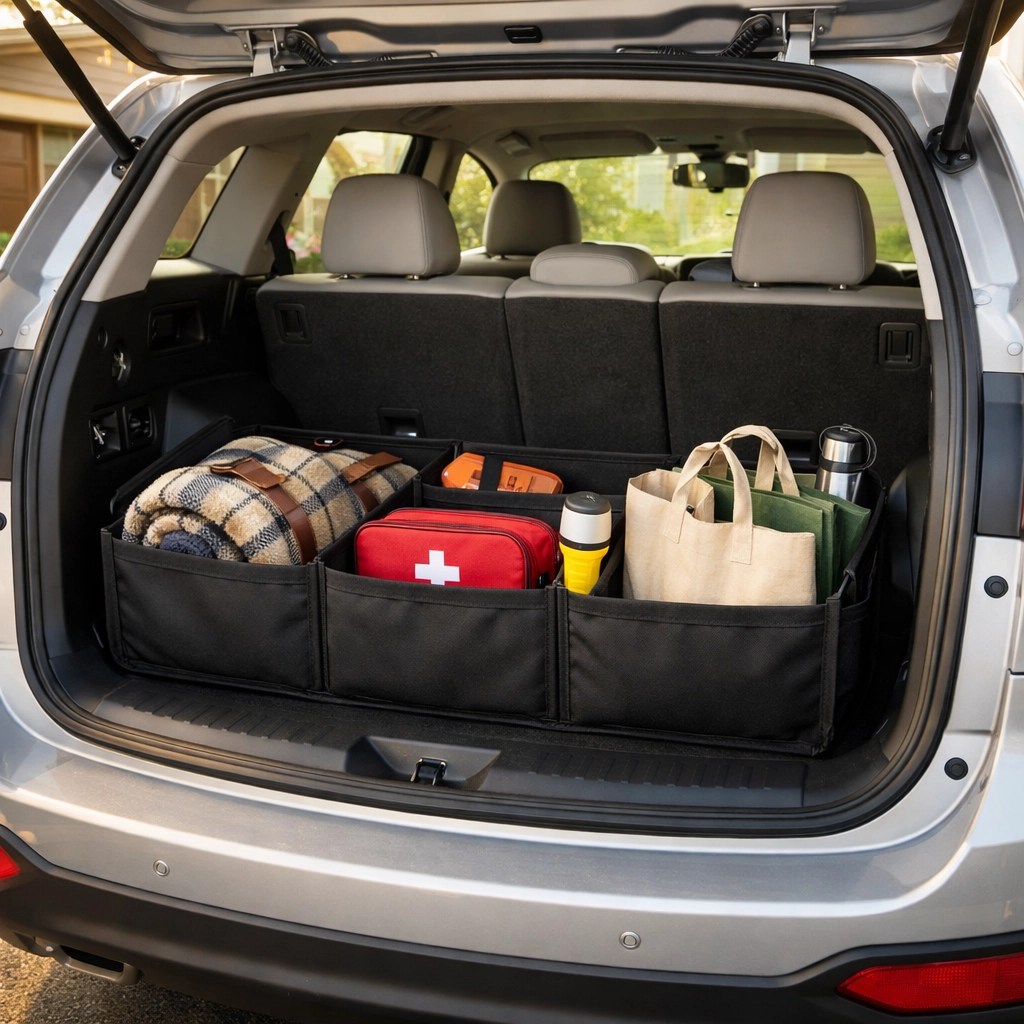
- Vehicle Organization: The car is often an extension of the home’s storage. A car trunk storage bag helps keep emergency kits, groceries, or sports equipment from rolling around, ensuring the vehicle remains as organized as the house.
Maintenance: The Secret to Long-Term Success
The most difficult part of decluttering is not the initial purge, but the daily maintenance. Without a system to keep clutter at bay, it will inevitably return.
The Five-Minute Reset
At the end of every day, spend five minutes per room putting things back in their designated places. This prevents small messes from turning into weekend-long projects.
Essential Item Tracking
One common cause of “functional clutter” is the frantic search for lost items like keys or wallets, which results in drawers being emptied and piles being created. Utilizing a wireless key finder ensures that essential items are always located quickly, maintaining the order of the home.
Seasonal Audits
Twice a year: typically during the transition between winter and summer: conduct a mini-audit of the home. Check for items that were not used during the previous season and evaluate whether they are worth keeping for another year.
Eco-Friendly Disposal of Items
Decluttering should not mean simply moving the problem to a landfill. Responsible disposal is a key component of a successful guide.
- Donation Centers: Many charities accept clothing, furniture, and household goods. Ensure items are clean and in working order.
- Specialized Recycling: Many electronics and hazardous materials (like old paint or batteries) cannot go in standard recycling. Look for local “e-waste” events or specialized drop-off points.
- Reselling: For high-value items, online marketplaces can be a way to recoup some of the original cost, though it is important to set a “deadline” for selling. If an item doesn’t sell within two weeks, donate it to prevent it from becoming permanent clutter again.

Conclusion: Living with Less
Decluttering is a continuous journey of curation. By focusing on quality over quantity and functionality over habit, a home can transform from a source of burden into a true place of peace. Whether starting with a single drawer or tackling an entire garage, the key is to remain consistent and mindful of the items brought into the living environment.
A well-organized home does more than just look good; it provides the mental clarity and physical space necessary to focus on the things that truly matter in life. Through the use of strategic storage solutions, regular maintenance, and a shift in mindset, anyone can succeed in creating a clutter-free sanctuary.

