
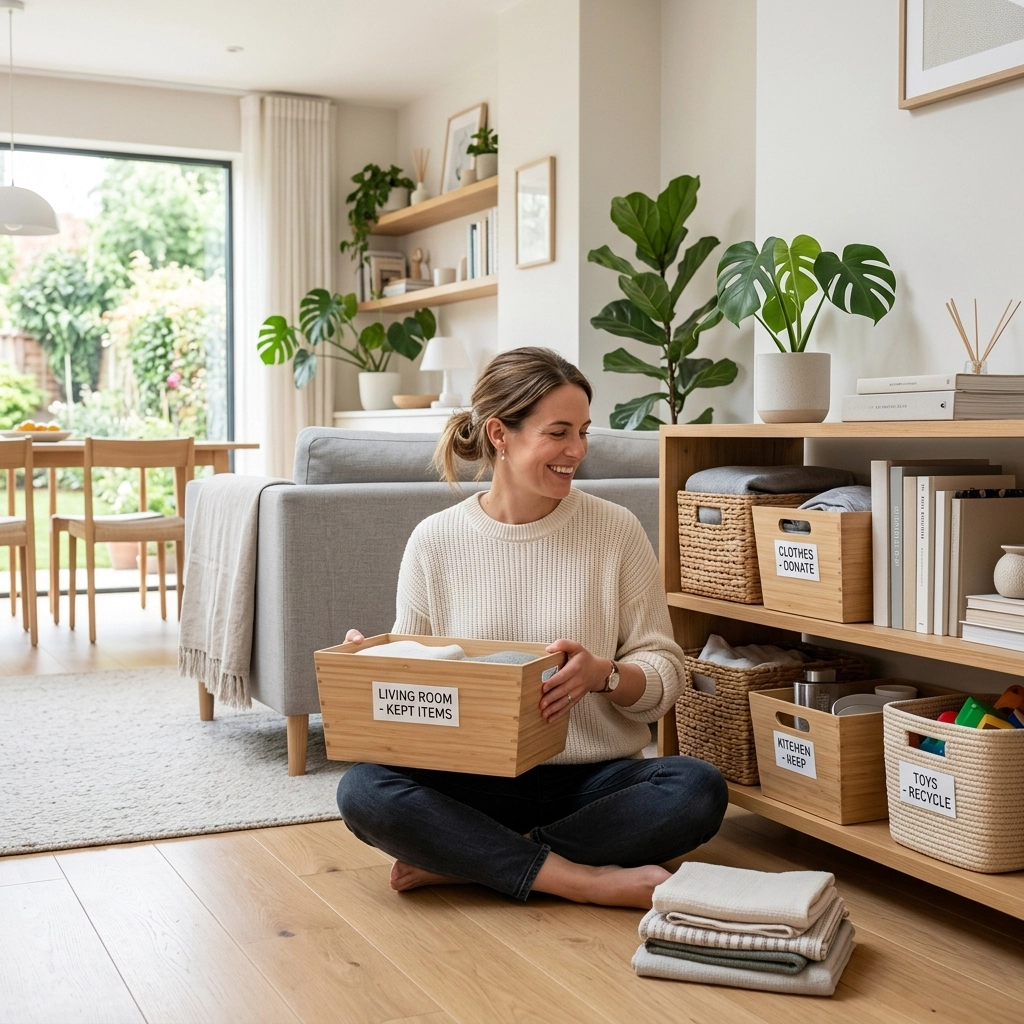
A cluttered home often reflects a cluttered mind. The physical environment serves as a backdrop to daily life, and when that backdrop is filled with unnecessary items, it can lead to increased stress, decreased productivity, and a sense of being overwhelmed. Developing a systematic approach to decluttering is not just about cleaning; it is about reclaiming space and time.
The most effective way to tackle a home of any size is through a structured, room-by-room framework. By breaking the process down into manageable segments, the daunting task of “cleaning the whole house” becomes a series of achievable victories. This guide provides a comprehensive roadmap for transforming a living space into an organized sanctuary using proven methodologies and practical storage solutions.
The Core Framework: The SOS Method
Success in home organization relies on a repeatable system. The SOS method: Simplify, Organize, Systematize: provides a logical progression for any space, regardless of its current state.
Phase 1: Simplify
This phase is the actual decluttering. It involves removing everything from a specific area and evaluating each item’s utility and value. The goal is to keep only what is used, loved, or essential. Items that do not fit these criteria are categorized for donation, recycling, or disposal.
Phase 2: Organize
Once the excess is removed, the remaining items must be organized. This involves assigning a permanent “home” for every object. Logic dictates that items should be stored closest to where they are used. Frequent-use items should be easily accessible, while seasonal or occasional items can be moved to higher shelves or secondary storage areas.
Phase 3: Systematize
The final phase focuses on maintenance. A system is only effective if it can be sustained. This involves creating habits: such as a “one in, one out” rule or a five-minute nightly tidy: to ensure that clutter does not accumulate again. Detailed information on managing household transitions can often be found through educational resources like the Paris Wheel blog.

Preparation and the 20-10 Rule
Before starting, it is necessary to gather supplies: sturdy cardboard boxes for donations, heavy-duty trash bags, and a label maker or permanent marker.
To prevent burnout, the 20-10 rule is highly effective. This involves 20 minutes of focused decluttering followed by a 10-minute break. This prevents decision fatigue and physical exhaustion, making it easier to maintain momentum throughout the day. It is helpful to start with a “quick win”: a small, contained area like a junk drawer or a medicine cabinet: to build confidence before moving to larger rooms.
The Bathroom: A High-Impact Starting Point
The bathroom is often the easiest room to declutter because it contains few sentimental items. Most items here are utilitarian and have clear expiration dates.
Sorting Toiletry Categories
Empty every cabinet and drawer. Sort items into categories: skincare, hair care, medications, first aid, and dental hygiene. Check expiration dates on all medications and sunscreens. Dispose of nearly empty bottles that haven’t been touched in months and old makeup that may harbor bacteria.
Strategic Storage Solutions
For bathrooms with limited square footage, vertical storage is essential. Over-the-door organizers can hold hair tools, while tiered shelving under the sink maximizes unused vertical space. Use clear, stackable acrylic bins for categories like “First Aid” or “Daily Skincare.” Transparency allows for a quick inventory check, preventing the accidental purchase of duplicates.
The Bedroom: Creating a Sanctuary
The bedroom should be a place of rest. Visual clutter in this space can interfere with sleep quality and relaxation.
Clearing Surfaces
Nightstands and dressers are magnets for “homeless” items like loose change, receipts, and half-read books. Clear these surfaces completely. Only items that contribute to rest: such as a lamp, a book currently being read, or a carafe of water: should remain on the nightstand.
Under-Bed Management
Under-bed space is valuable but often becomes a “black hole” for forgotten items. Use long, shallow plastic bins with wheels for seasonal storage, such as heavy blankets in summer or extra linens. Label these bins clearly so their contents are known without having to pull them out.

The Closet: The Core of Organization
Closet organization is often the most requested topic in home management. The key is to stop viewing the closet as a storage unit and start viewing it as a curated collection.
The Hanger Method
A simple way to identify which clothes are actually worn is the “reverse hanger” trick. Turn all hangers so the hooks face toward the room. After wearing an item and laundering it, return it to the closet with the hanger hook facing the back. After six months, any hangers still facing forward represent items that haven’t been worn and are prime candidates for donation.
Vertical and Floor Space
Utilize the back of the closet door for shoe racks or accessory organizers. Shelf dividers can keep stacked sweaters or jeans from toppling over. If the closet has a high top shelf, store off-season clothing in uniform bins to maintain a clean aesthetic. For more information on how our company approaches lifestyle education, visit the About page.
The Kitchen: Functional Zones
The kitchen is a high-traffic area where efficiency is paramount. To declutter effectively, the kitchen should be divided into functional zones based on activity.
The Prep, Cook, and Clean Zones
- Prep Zone: Keep knives, cutting boards, and mixing bowls near the primary counter space.
- Cook Zone: Store pots, pans, and spatulas near the stove.
- Clean Zone: Keep dish soap, sponges, and towels near the sink or dishwasher.
The Pantry and Cabinet Purge
Remove everything from the pantry. Check for expired dry goods and spices. When restocking, use clear containers for staples like flour, sugar, and pasta. This not only keeps food fresh but also allows for a visual “stock take” before grocery shopping. Group “like with like”: all baking supplies in one bin, all snacks in another.

The Living Room: Managing Shared Spaces
The living room often suffers from “clutter creep,” where items from other rooms migrate and stay.
Furniture and Media
Evaluate the furniture. If a chair is only used to hold a pile of clothes, it may be better to remove the chair and address the clothing issue. Consolidate media like DVDs or video games into slim binders if the original cases take up too much shelf space.
Cord Management
Electronic clutter is a modern challenge. Use cable management boxes or Velcro ties to bundle cords behind the TV or desk. This reduces visual noise and makes cleaning significantly easier.
The Entryway: The Household Command Center
The entryway is the transition point between the outside world and the home. It needs a system to catch items as they enter.
The Drop Zone
Establish a “drop zone” for keys, mail, and bags. A small console table with a tray for keys and a basket for incoming mail prevents these items from spreading to the kitchen counter. Use hooks for frequently worn jackets and a dedicated bin or rack for shoes to prevent them from piling up on the floor.
Seasonal Rotation
The entryway should only hold what is currently in use. In winter, store sun hats and beach bags elsewhere. In summer, move heavy coats and boots to a secondary closet. This keeps the entryway lean and functional.

The Home Office: Paper and Digital Management
Paper clutter is one of the most difficult types to manage because of the perceived importance of every document.
The Three-Pile System
Sort all paper into three piles: To-Action, To-File, and To-Shred.
- To-Action: Bills to pay or forms to sign.
- To-File: Tax documents, property deeds, and medical records.
- To-Shred: Anything with personal information that is no longer needed.
Digital Transition
Whenever possible, opt for paperless billing. Use a high-quality scanner to digitize receipts and manuals. Storing these on a secure cloud drive reduces physical bulk and makes documents searchable. For help with navigating our site or finding specific resources, the customer help page is available.

Advanced Storage Strategies
Once the decluttering is complete, the right storage solutions ensure the organization lasts.
1. Thinking Vertically
In every room, look up. Walls are underutilized storage areas. Floating shelves, wall-mounted racks, and tall bookcases draw the eye upward and keep the floor clear, making rooms feel larger.
2. Transparency and Accessibility
Clear bins are generally superior to opaque ones because they provide instant visual confirmation of what is inside. If using opaque bins for aesthetic reasons, consistent labeling is mandatory.
3. The Prime Real Estate Rule
The space between the knees and the shoulders is “prime real estate.” This is where the most frequently used items should live. Items used once a year should be at the very top or very bottom of the storage area.
Sustaining the System: Daily and Weekly Habits
The biggest mistake people make is viewing decluttering as a one-time event. It is a continuous process of management.
The Five-Minute Reset
Every evening, spend five minutes returning items to their designated homes. Put the remote back, hang up the jacket, and clear the mail from the counter. This prevents the “clutter snowball” from starting.
One In, One Out
For every new item brought into the home: be it a new shirt, a kitchen gadget, or a toy: one existing item should be donated or discarded. This maintains a steady volume of possessions and forces more intentional purchasing decisions.
Monthly Evaluations
Once a month, pick one “hot spot”: an area that tends to collect clutter despite your best efforts: and re-evaluate the system. If the entryway is always messy, perhaps more hooks or a larger shoe rack are needed. Adjust the system to fit the lifestyle, rather than forcing the lifestyle to fit a rigid system.
By following this room-by-room framework, any home can be transformed into a more functional and peaceful environment. The key is to start small, remain consistent, and trust the process of simplification. Whether you are looking for more tips on home management or general learning, exploring the Paris Wheel sitemap can provide further direction.

