
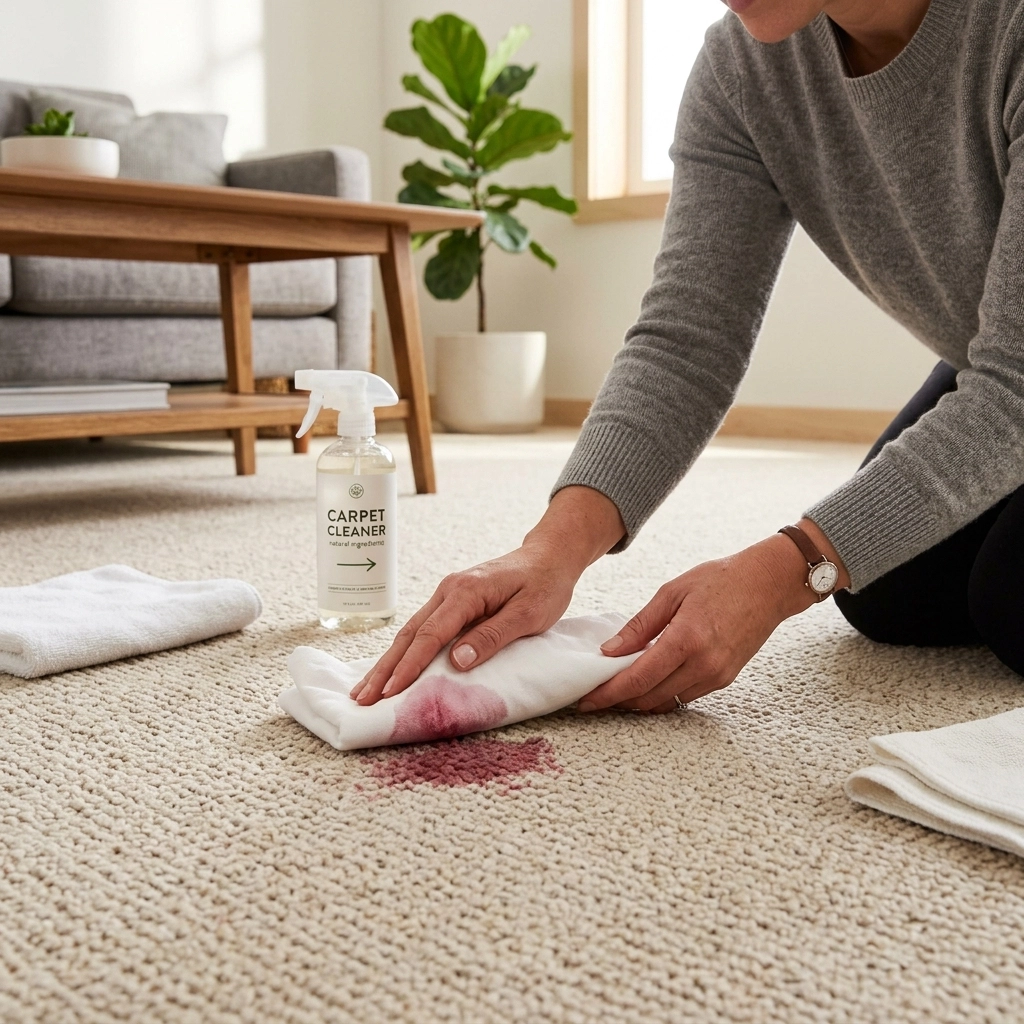
Maintaining a pristine carpet is one of the most challenging aspects of home care. Whether it is a splash of red wine during a dinner party or a muddy paw print from a pet, spills are an inevitable part of life. However, the difference between a temporary accident and a permanent eyesore often lies in the immediate reaction.
Many people inadvertently cause more damage during the cleaning process than the original spill itself. Understanding the mechanics of carpet fibers and how they interact with liquids and chemicals is essential for effective stain removal. This guide identifies seven common mistakes and provides practical, step-by-step solutions to ensure carpets remain in top condition.
1. The Scrubbing Impulse
When a spill occurs, the natural instinct is to grab a cloth and scrub the area vigorously. It feels like the right thing to do: applying elbow grease should surely lift the pigment. Unfortunately, this is perhaps the most destructive habit in carpet care.
Why It Is a Mistake
Scrubbing does two things that are detrimental to the carpet. First, the mechanical friction untwists the carpet fibers. Once the fibers are frayed or “fuzzed,” the texture of the carpet is permanently altered. Even if the stain is removed, a permanent shadow or worn spot will remain because the light reflects differently off the damaged fibers. Second, scrubbing pushes the liquid deeper into the carpet pile and even into the padding underneath. Once a stain reaches the padding, it becomes nearly impossible to remove and may “wick” back to the surface as it dries.
How to Fix It: The Blotting Technique
The key to successful stain removal is blotting, not scrubbing.
- Use a clean, white cloth or a plain white paper towel. Avoid using colored towels, as the dye from the towel can transfer to the carpet.
- Press down firmly on the spill to absorb the liquid.
- Work from the outside of the stain toward the center. This prevents the spill from spreading outward and creating a larger footprint.
- Continue with fresh parts of the cloth until no more liquid is being transferred.

2. Using the Wrong Cleaning Products
The “all-purpose” cleaner under the kitchen sink is rarely suitable for carpets. Many homeowners assume that if a product can clean a countertop, it can clean a rug.
Why It Is a Mistake
Carpet fibers, particularly natural ones like wool, have specific pH requirements. Many household cleaners are highly alkaline or contain bleach and harsh oxidizers. These can strip the dye from the carpet or cause a chemical burn on the fibers. Furthermore, generic cleaners often contain high levels of soap. If this soap is not perfectly rinsed out, it leaves a sticky residue. This residue acts like a magnet for dirt, which is why a “cleaned” spot often looks darker and dirtier a few weeks later.
How to Fix It: Match the Solution to the Fiber
It is essential to know the carpet material. Most modern residential carpets are synthetic (nylon, polyester, or triexta), but luxury rugs are often wool or silk.
- For Synthetics: Use a dedicated carpet cleaner that carries the Carpet and Rug Institute (CRI) Seal of Approval.
- For Natural Fibers: Stick to pH-neutral cleaners specifically designed for wool.
- The Golden Rule: Always test a new cleaning solution on a small, inconspicuous area (like inside a closet) to check for colorfastness before applying it to the middle of the room.
3. Waiting Too Long to Act
Life is busy, and it is tempting to leave a spill until later in the evening or even the next morning. However, timing is the single most important factor in stain removal.
Why It Is a Mistake
The longer a liquid sits on a carpet, the more it undergoes a chemical change called “setting.” Many liquids, such as coffee or tea, contain natural dyes (tannins). As the liquid evaporates, the pigment bonds with the carpet fiber. Once this bond is fully formed, the spill transition from a “stain” (something that can be removed) to a “permanent discoloration” (something that has dyed the fiber).
How to Fix It: Immediate Absorption
Treatment should begin within the “golden hour” of the spill.
- If the spill is solid (like food), use a spoon or a dull knife to gently lift the solids away.
- Before applying any wet treatment, use a dust-removing-brush-multifunctional-brusher-for-large-double-sided-clothing to clear away any loose surface debris or hairs that might get tangled in the wet spot.
- Apply the blotting method immediately. Even if the full cleaning cannot be finished right away, getting the bulk of the moisture out prevents deep penetration.

4. Oversaturating the Carpet
If a little bit of cleaner is good, a lot must be better, right? This logic is a common pitfall that leads to “over-wetting.”
Why It Is a Mistake
Carpet is a multi-layered system consisting of the face fibers, a primary backing, a secondary backing, and a pad. When too much water or cleaning solution is applied, it soaks through the backings. This leads to several issues:
- Delamination: The glue holding the carpet layers together can dissolve, causing the carpet to ripple or buckle.
- Mold and Mildew: Moisture trapped in the padding stays wet for days, creating a breeding ground for fungi.
- Browning: Excessive moisture can cause cellulosic fibers in the carpet backing to “bleed” brown tea-like stains up to the surface.
How to Fix It: Controlled Moisture and Rapid Drying
Use a spray bottle to apply cleaning solutions rather than pouring them directly from the jug. The goal is to dampen the fibers, not soak the floor.
- After cleaning, place a thick stack of white paper towels over the damp spot and weigh it down with a heavy, non-bleeding object (like a plastic gallon of water).
- Use a fan to circulate air over the area. If the room is large, a voice-control-wifi-smart-switch-socket can be used to set a timer for a floor fan or a dehumidifier to ensure the area dries completely within 24 hours, even if nobody is home to turn the equipment off.
5. Applying Heat to Protein Stains
When dealing with tough stains, the instinct is often to use hot water to “melt” the dirt away. While heat is useful for grease, it is a disaster for protein-based stains.
Why It Is a Mistake
Stains like blood, milk, eggs, and many pet accidents are protein-based. Applying heat: whether via hot water or a steam cleaner: acts like cooking an egg. The heat coagulates the proteins and binds them permanently to the carpet fibers. Once a protein stain is “cooked” into the carpet, it is almost impossible to remove.
How to Fix It: The Cold Water Rule
Always start with cold or room-temperature water for any mystery stain or known protein spill.
- Blot with cold water and a clean cloth.
- If the stain persists, move to a specialized enzyme cleaner. Enzyme cleaners are designed to “eat” the protein molecules, breaking them down so they can be blotted away.
- Be patient; enzymes need time to work. Cover the damp area with a damp cloth to keep the enzymes active for several hours.

6. Using Improper Tools
The tools used for carpet cleaning are just as important as the chemicals. Using a stiff-bristled floor brush or a colored rag can lead to irreparable damage.
Why It Is a Mistake
Stiff brushes are designed for hard surfaces like grout or concrete. On carpet, they tear at the fibers. Additionally, many people reach for whatever is nearby, such as a sponge with a green scouring side or a printed kitchen towel. The dye in the towel can transfer to the carpet, and the abrasive side of a sponge can “pill” the carpet, creating little balls of fuzz that cannot be smoothed back down.
How to Fix It: Professional-Grade Basics
The best kit for carpet spot removal is simple:
- White Microfiber Cloths: These are highly absorbent and lint-free.
- Soft-Bristled Grooming Brush: If agitation is necessary, use a brush specifically designed for upholstery or carpet.
- Wet-Dry Vacuum: If a large spill occurs, a shop vac is the best tool to extract liquid before it reaches the padding.
7. Mixing Chemicals or Failing to Rinse
In a moment of panic, a homeowner might try one cleaner, and when it doesn’t work, immediately pour another one on top.
Why It Is a Mistake
Mixing chemicals is dangerous. For example, mixing products containing ammonia with those containing bleach creates toxic chloramine gas. Beyond the safety hazard, mixing different cleaning agents can cause a chemical reaction that sets the stain permanently or discolors the carpet. Even if only one product is used, failing to “rinse” the area with a little bit of plain water at the end leaves a sticky residue.
How to Fix It: The Rinse Cycle
Treat carpet cleaning like a laundry cycle.
- Apply the cleaner and blot.
- Once the stain is gone, lightly mist the area with plain water.
- Blot again to “rinse” the soap out of the fibers.
- If a previous product failed, thoroughly extract it with a wet-dry vacuum and rinse with water before trying a different chemical approach.

Specialized Stain Guide
To avoid the mistakes mentioned above, it helps to have a specific plan for the most common household spills.
Coffee and Tea
These contain tannins and are acidic.
- The Fix: Blot up as much as possible. Mix one tablespoon of liquid dish soap, one tablespoon of white vinegar, and two cups of warm water. Blot the stain with this solution. The vinegar helps neutralize the tannins. Rinse with plain water and blot dry.
Red Wine
The deep pigment in red wine makes it a feared spill.
- The Fix: Blot immediately. Do not use salt; while it absorbs liquid, it can also set the stain if left too long. Instead, use a specialized “wine-out” spray or a mixture of dish soap and hydrogen peroxide (only on light-colored synthetic carpets, as peroxide can bleach).
Mud and Dirt
Mud is unique because it should not be cleaned while wet.
- The Fix: Allow the mud to dry completely. This prevents the dirt from being rubbed into the fibers. Once dry, vacuum the area thoroughly. If a brown spot remains, use a mild detergent solution to blot the area.
Grease and Oil
Oily stains require a solvent to break down the lipids.
- The Fix: Apply a small amount of rubbing alcohol or a dry-cleaning solvent to a cloth and blot. Do not pour it directly on the carpet, as it can damage the backing. Follow up with a grease-cutting dish soap solution.

Long-Term Carpet Maintenance
Beyond spot cleaning, the overall health of a carpet depends on regular maintenance. Avoiding the “big” mistakes is easier when the carpet is already in good condition.
Regular Vacuuming
The most damaging thing for a carpet is not a spill, but dry soil. Sand and grit act like tiny sandpaper, grinding away at the base of the fibers every time someone walks across the room. High-traffic areas should be vacuumed at least twice a week with a vacuum that has a high-efficiency particulate air (HEPA) filter.
Professional Deep Cleaning
Even with the best spot-cleaning habits, carpets should be professionally cleaned every 12 to 18 months. Professionals use “Hot Water Extraction” (often called steam cleaning) with high-powered truck-mounted units that can reach temperatures and suction levels that consumer machines cannot match. This process removes the deep-seated oils and residues that DIY methods leave behind.
The Role of Carpet Protectors
Many new carpets come treated with a stain-resistant coating. However, this coating wears off over time due to foot traffic and cleaning. Re-applying a carpet protector after a professional cleaning can provide a vital window of time to blot up a spill before it penetrates the fiber.
By avoiding these seven common mistakes and sticking to a routine of blotting, using the correct pH-balanced cleaners, and acting quickly, homeowners can extend the life of their flooring significantly. A carpet is an investment in the comfort and aesthetic of a home; treating it with the right science and care ensures it remains a highlight of the interior rather than a source of stress.

