
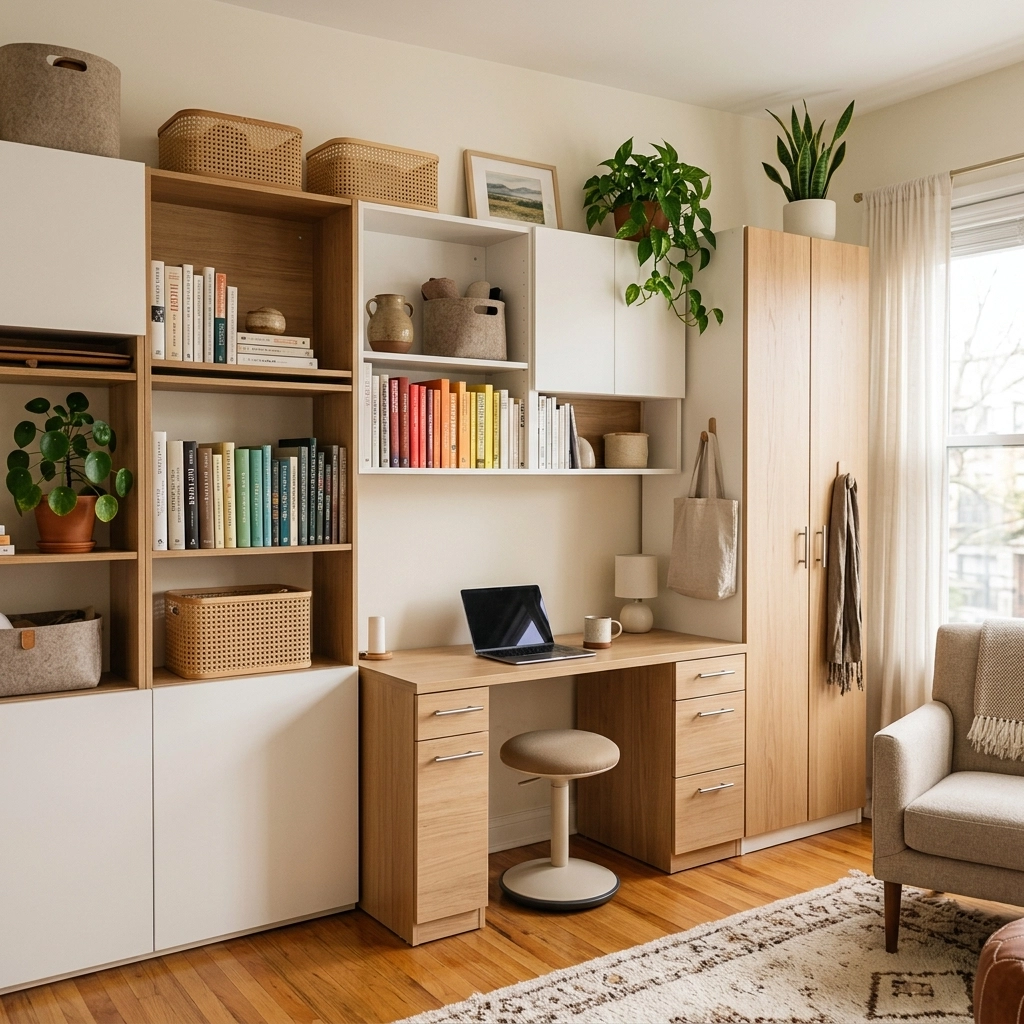
Maintaining an organized home is a continuous process that requires a combination of strategic planning and the right tools. As living spaces become more compact and belongings accumulate, the challenge of finding a place for everything becomes more pronounced. Effective storage is not merely about hiding items away; it is about creating a system where every object has a designated spot, making daily routines smoother and reducing the mental load associated with clutter.
Maximizing every square inch of a home involves looking at traditional spaces with a fresh perspective. It requires identifying underutilized areas: such as the vertical height of a room, the space beneath furniture, or even the narrow gaps between appliances: and transforming them into functional storage hubs. The following fifteen solutions offer practical, scalable ways to reclaim space and enhance the efficiency of any household.
1. High-Efficiency Storage Baskets and Bins
Storage baskets are perhaps the most versatile tools in the organization arsenal. They serve as portable drawers that can be placed on open shelving, tucked under console tables, or lined up inside a pantry. The primary advantage of using baskets is the ability to group disparate items into a single, cohesive unit. This is particularly useful for items that are difficult to stack or those that lack a uniform shape, such as winter accessories, children’s toys, or craft supplies.
When selecting baskets, material choice plays a significant role in both durability and aesthetics. Natural fibers like seagrass or wicker provide a warm, organic feel suitable for living rooms and bedrooms. In contrast, felt or fabric bins offer a softer touch for closets and nurseries. For high-moisture environments like bathrooms or laundry rooms, plastic or wire baskets are more appropriate as they resist humidity and are easier to clean.
To maximize the efficiency of baskets, it is helpful to implement a labeling system. Even in a home with a few residents, knowing exactly which bin contains “batteries” versus “charging cables” saves time and prevents the frustration of searching through multiple containers.
2. Maximizing Window Areas with Integrated Seating
Window spaces are often overlooked, yet they offer prime real estate for both relaxation and storage. By installing a built-in bench or a low-profile storage unit beneath a window, a home gains a functional seating area and a significant amount of stowage capacity.
A window seat can be designed with a hinged top, allowing for the storage of bulky items like extra bedding, seasonal decorations, or board games. Alternatively, front-facing drawers or open cubbies with baskets can be integrated into the base. This approach is especially effective in bedrooms or dining areas where floor space is limited. Beyond the storage benefits, utilizing the area around windows draws the eye toward natural light, making a room feel larger and more open.

3. Rotating Cupboard Organizers (Lazy Susans)
The “dead space” at the back of deep cabinets and corner cupboards is a common pain point in home organization. Items placed in these hard-to-reach areas are often forgotten or expire before they can be used. The introduction of a Lazy Susan: a rotating tray: solves this problem by bringing the back of the shelf to the front with a simple turn.
In the kitchen, rotating organizers are ideal for spices, oils, and condiments. In a bathroom vanity, they can hold skincare products and toiletries, ensuring that everything is visible and accessible. These organizers are available in various tiers and diameters, making it possible to customize them to the specific dimensions of a cupboard. By eliminating the need to dig through rows of bottles, these tools significantly improve the workflow of high-traffic areas.
4. Custom Under-Stair Drawers and Cubbies
The triangular void beneath a staircase is often one of the most underutilized zones in a house. While many homes have a simple closet in this location, it is frequently a “catch-all” space where items become lost in the dark corners. A more efficient solution is the installation of custom-fit drawers or pull-out cabinets.
These drawers can be engineered to follow the slope of the stairs, providing deep, organized compartments for shoes, coats, or household cleaning supplies. In some architectural designs, this space can even be converted into a small home office or a specialized wine cellar. While this solution may require a higher initial investment in terms of carpentry, the sheer volume of organized storage it creates is unmatched.
5. Radiator Shelving and Decorative Covers
Radiators are essential for heating but often occupy wall space that could otherwise be used for furniture. A radiator cover with an integrated shelf or a floating shelf mounted directly above the unit can reclaim this lost space.
A shelf above a radiator provides a convenient surface for mail, keys, or decorative objects in an entryway. In a living room, it can act as a slim mantelpiece. It is important to ensure that any shelving or covers are designed to allow for proper airflow, maintaining the heating efficiency of the unit. Using heat-resistant materials like treated wood or stone ensures the longevity of the installation.
6. Floor-to-Ceiling Shelving Units
Most standard furniture pieces stop several feet below the ceiling, leaving a large amount of vertical space unused. Floor-to-ceiling shelving maximizes this “airspace” and can significantly increase the storage capacity of a room without encroaching further into the living area.
This approach works exceptionally well in libraries, home offices, and living rooms. By taking shelves all the way to the top, a room can accommodate a vast collection of books, media, or decor. To maintain a sense of order, heavier items should be placed on the lower shelves, while lighter, less frequently used items can occupy the higher tiers. For very tall units, a library ladder adds both functionality and a classic design element.

7. Furniture with Hidden Compartments
Multipurpose furniture is a cornerstone of small-space living. Items that look like standard household pieces but contain hidden storage allow for a “stealthy” approach to organization. Coffee tables with lift-tops that reveal storage for blankets, or ottomans with removable lids, provide a place to tuck away items that are used daily but don’t need to be visible.
In the bedroom, a storage trunk at the foot of the bed can serve as both a seat and a place for extra linens. When choosing furniture, prioritizing pieces with built-in drawers or hollow centers ensures that every item in the room is working double-duty. This strategy is particularly effective for those who prefer a minimalist aesthetic but still have a significant number of belongings to manage.
8. Strategic Shelving Above the Sofa
The wall space directly above a sofa is typically reserved for a single large piece of art. However, this area can also be used for functional storage. Floating shelves or a shallow wall-mounted unit can house a curated collection of books, small plants, and art, freeing up floor-to-ceiling units elsewhere in the home.
When installing shelves in this location, safety and ergonomics are paramount. The shelves must be mounted securely into wall studs and positioned high enough to avoid being a hazard to those sitting on the sofa. Keeping the depth of the shelves relatively shallow (around 6 to 8 inches) ensures they do not feel overbearing or intrusive in the seating area.
9. Vertical Wall Systems and Floating Shelves
Vertical organization involves moving items off the floor and onto the walls. This is not limited to bookshelves; it can include pegboards in a craft room, magnetic strips for knives in the kitchen, or wall-mounted bike racks in a hallway.
Floating shelves are particularly useful because they lack visible brackets, creating a clean, modern look. They can be installed in “awkward” spaces, such as above a doorway or in a narrow corner, where traditional furniture would not fit. In the kitchen, replacing bulky upper cabinets with open floating shelves can make a small space feel airier while still providing ample room for dishes and glassware.

10. Built-In Solutions for Architectural Integration
Built-in storage is designed to look like a permanent part of the home’s architecture. Unlike freestanding furniture, built-ins can be tailored to the exact dimensions of a wall, nook, or alcove. This eliminates the gaps and “dead zones” that often occur between the wall and a standard wardrobe or bookshelf.
Built-in wardrobes in bedrooms can provide floor-to-ceiling storage that maximizes every inch of width and height. In a dining room, a built-in sideboard can offer deep storage for serving platters and fine china while providing a seamless, high-end look. While built-ins are a more permanent commitment, they often add significant value to a property and provide the most streamlined storage possible.
11. Bed Storage: Ottoman and Drawer Styles
The footprint of a bed is often the largest in a bedroom. Utilizing the space directly beneath the mattress is a highly effective way to gain storage without taking up more floor area. There are two primary ways to achieve this: ottoman beds and drawer beds.
Ottoman beds use a hydraulic gas-lift mechanism to raise the entire mattress platform, revealing a vast storage compartment underneath. This is ideal for large, bulky items like suitcases, winter coats, or spare duvets. Drawer beds, on the other hand, feature built-in drawers on the sides or foot of the frame. These are better for items that need to be accessed frequently, such as clothing or shoes. For those with existing bed frames, under-bed storage bins on wheels can provide a similar, albeit less integrated, benefit.
For more information on home maintenance and organization, readers can visit the Paris Wheel blog or check the frequently asked questions for specific household tips.
12. Stackable Pantry and Closet Bins
In pantries and closets, vertical height is often wasted between shelves. Stackable bins allow you to layer storage upward, effectively doubling or tripling the usable surface area of a single shelf.
Clear plastic bins are particularly popular for pantries because they allow for a quick inventory of food items. In a closet, stackable shoe boxes protect footwear from dust while keeping them visible and organized. When using stackable systems, it is essential to choose bins with a “nesting” design or a secure lid to prevent the stack from tipping over. This modular approach allows the storage system to grow or change as the household’s needs evolve.

13. Modular Wall Shelving Systems
Modular systems, such as track-and-bracket shelving, offer a high degree of flexibility. These systems consist of vertical tracks mounted to the wall, with brackets that can be moved up or down to support shelves, baskets, or rods.
This versatility makes modular systems ideal for spaces where storage needs change over time, such as a child’s bedroom or a home office. They are also excellent for utility spaces like garages and laundry rooms, where the size of stored items can vary significantly. Because the components are interchangeable, a modular system can be reconfigured without the need for new wall holes or major construction.
14. Dual-Purpose Multifunctional Furniture
Beyond hidden compartments, some furniture is designed to change its primary function entirely. Examples include a desk that folds up against the wall to become a chalkboard or mirror, a dining table with leaves that can be tucked away to create a slim console, or nesting tables that provide extra surface area only when needed.
Multifunctional furniture is about efficiency and adaptability. In a guest room that doubles as an office, a Murphy bed (a bed that folds into a wall cabinet) allows the room to remain a functional workspace during the day. These pieces are engineered to solve specific spatial challenges, making them invaluable for modern, flexible living.
15. Utilizing Neglected Transitional Spaces
Transitional spaces like hallways, landings, and the areas above doorways are frequently overlooked. However, these zones can provide crucial storage relief for the rest of the home.
A high shelf installed above a bathroom door is the perfect spot for extra towels or toilet paper rolls. A narrow console table in a hallway can hold baskets for mail and keys, while a built-in bench on a staircase landing can offer a place to store shoes or umbrellas. By identifying these “micro-spaces” and giving them a purpose, a home can reach its full organizational potential.

Implementing a Storage Strategy
Maximizing home storage is as much about habits as it is about hardware. Even the most sophisticated storage system will fail if it is not maintained. A successful strategy begins with a thorough decluttering process. Removing items that are no longer useful ensures that storage solutions are dedicated only to things that bring value to the household.
Once the physical solutions are in place, consistency is key. Establishing a “one in, one out” rule can help prevent clutter from rebounding. Additionally, periodic reviews of storage areas: perhaps once a season: allow for adjustments as lifestyle needs change.
The goal of these fifteen solutions is to create a home that feels spacious and calm, regardless of its actual square footage. By looking upward, inward, and underneath, it is possible to find hidden potential in every corner. For those looking to learn more about home management and lifestyle optimization, Paris Wheel offers various resources and insights. Understanding the principles of organization is a foundational step in creating a functional, peaceful living environment.

