
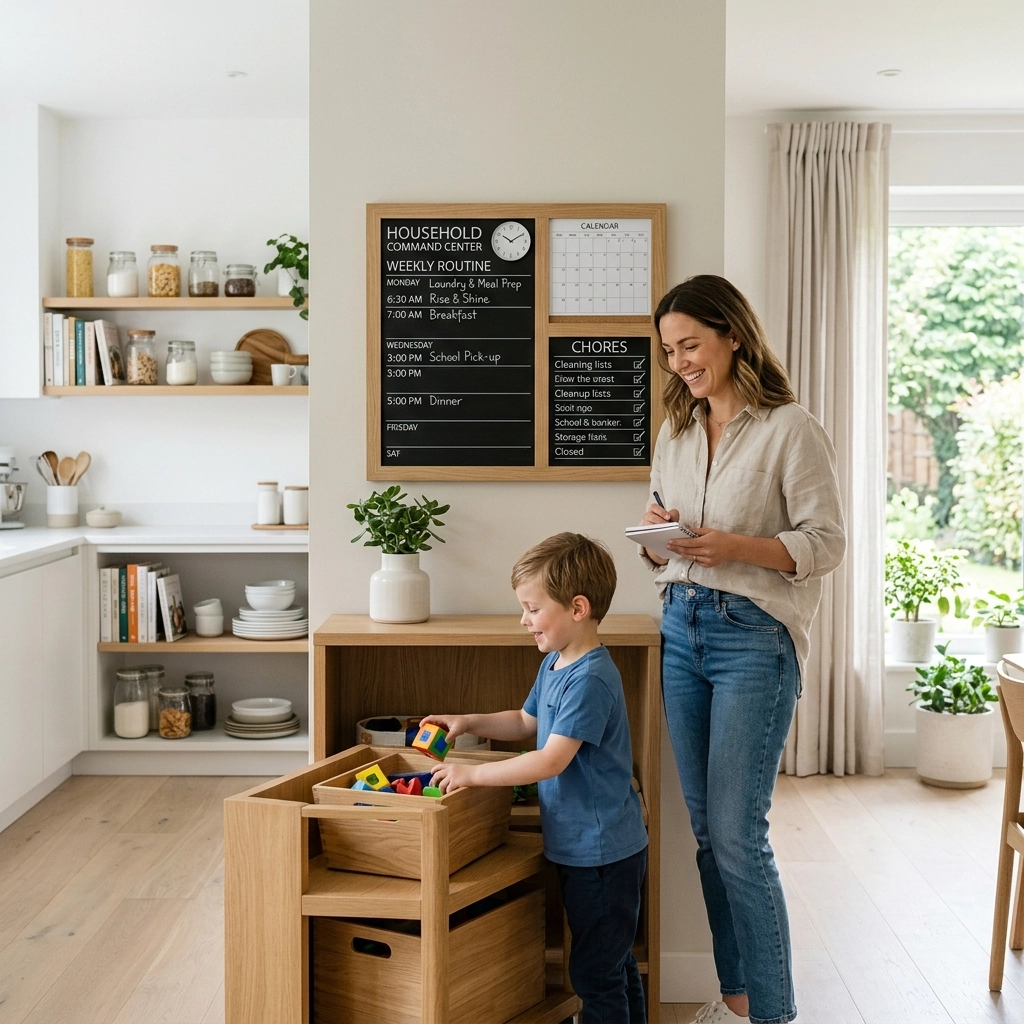
Maintaining a home involves an intricate web of repetitive tasks, unexpected demands, and constant maintenance. Without a system in place, the management of a household often feels like a series of reactive responses to immediate crises: a pile of laundry that has become insurmountable, a kitchen that lacks ingredients for dinner, or a living space that feels cluttered and stressful.
A structured household routine shifts the paradigm from reactive to proactive. It creates a framework where tasks are anticipated and managed before they become urgent stressors. This approach does more than just ensure a clean house; it provides a sense of control, reduces mental fatigue, and fosters a more peaceful domestic environment.
The Foundation of Household Management: Why Structure Matters
The human brain is wired to find comfort in predictability. When the environment is chaotic, the mind often mirrors that state. Structure in the home serves as the scaffolding for daily life. It allows residents to navigate their day with less cognitive effort because the “what” and “when” of domestic chores have already been decided.
Predictability reduces the cortisol spikes associated with a messy or unorganized environment. When every object has a place and every task has a time, the home transitions from a source of stress to a sanctuary for recovery. Furthermore, a routine ensures that the burden of home management is visible and quantifiable, making it easier to manage expectations and distribute labor among household members.
Reducing Mental Load and Decision Fatigue
One of the most significant benefits of a structured routine is the reduction of the mental load. Mental load refers to the cognitive effort involved in managing a household: remembering to buy more detergent, noticing the bathroom floor is sticky, or planning three meals a day for a family. This “invisible work” is often more exhausting than the physical labor itself.
By establishing a routine, many of these decisions are automated. If Monday is always the day for changing bed linens, there is no need to spend mental energy wondering when they were last washed. If Friday is for grocery shopping, the mid-week anxiety about an empty pantry disappears.
Reducing decision fatigue is crucial for overall well-being. Every small choice made throughout the day depletes a finite amount of mental energy. By automating household decisions through a fixed schedule, more energy remains available for professional work, personal hobbies, and meaningful relationships.

Designing a Sustainable Cleaning Schedule
A common mistake in home management is attempting to clean the entire house in a single, exhausting session. While “marathon cleaning” may result in a temporarily spotless home, it is often unsustainable and leads to burnout. A structured cleaning schedule breaks these tasks down into manageable increments.
Daily Maintenance Tasks
Daily tasks are the “non-negotiables” that keep the home functional. These should ideally take no more than 15 to 30 minutes in total and include:
- Making the bed to set a tone of order for the day.
- Wiping down kitchen counters after meals to prevent grime buildup.
- A “10-minute tidy” in common areas before bed.
- Managing one load of laundry from start to finish (washed, dried, and put away).
- Emptying and loading the dishwasher.
Weekly Rotational Tasks
Weekly tasks address the deeper cleaning needs that do not require daily attention. Assigning specific tasks to specific days prevents any one day from becoming overwhelming. A sample weekly rotation might look like:
- Monday: Kitchen deep-dive (cleaning the microwave, wiping appliances, mopping floors).
- Tuesday: Bathrooms (scrubbing toilets, showers, and mirrors).
- Wednesday: Dusting and surfaces (cleaning furniture, electronics, and decor).
- Thursday: Floors (vacuuming all carpets and rugs).
- Friday: Catch-all day (finishing leftover tasks or focusing on a specific project like the entryway).
Monthly and Seasonal Deep Cleaning
Some tasks only need attention once a month or once a quarter. These include cleaning out the refrigerator, washing windows, dusting ceiling fans, or descaling the coffee maker. Tracking these on a master calendar ensures they are not forgotten for years at a time.
The Role of Time-Blocking in Home Management
Structure is not just about having a list; it is about having a time. Time-blocking is an effective strategy for ensuring household tasks actually get done. Instead of a vague goal to “clean the house,” a block of time: for example, Saturday from 9:00 AM to 10:30 AM: is dedicated specifically to the weekly cleaning routine.
This method prevents tasks from bleeding into leisure time. When a specific window is closed, the work is done for the day. This creates a clear boundary between “work mode” and “rest mode,” which is essential for maintaining a healthy relationship with one’s living space.

Shared Responsibility: Involving the Whole Household
A structured routine is most effective when it is shared. In a multi-person household, the responsibility for maintenance should not fall on one individual. A visible schedule: whether on a whiteboard, a shared digital calendar, or a printed sheet on the refrigerator: makes expectations clear for everyone.
Age-Appropriate Contributions
For families with children, routines are a powerful teaching tool. They instill a sense of responsibility and teach essential life skills. Even young children can participate in daily routines, such as putting toys in a bin or placing dirty clothes in a hamper. Older children can take on tasks like setting the table, feeding pets, or emptying the dishwasher.
When everyone knows their role within the structure, the “nagging” dynamic often disappears. The routine becomes the authority, rather than one person constantly asking others for help. This fosters a team-oriented environment where the goal is a comfortable home for all.
Meal Planning as a Pillar of Routine
Food management is often the most time-consuming and stressful aspect of running a home. A structured household routine must include a system for meal planning and grocery shopping. Without it, the “what’s for dinner” dilemma can lead to expensive takeout, poor nutrition, and last-minute stress.
A successful meal planning routine typically involves:
- Inventory Check: Looking at what is already in the pantry and freezer.
- Selection: Choosing 5-7 meals for the week based on the household’s schedule.
- Shopping: Purchasing all necessary ingredients in one trip to save time and gas.
- Prep: Spending an hour on Sunday chopping vegetables or portioning snacks to streamline weekday cooking.
Integrating meal planning into the weekly structure ensures that the kitchen remains a place of nourishment rather than a source of daily frustration. For those looking to refine their organizational skills in all areas of life, visiting the Paris Wheel blog can provide further insights into structured living.

Overcoming the Perfectionism Trap
The goal of a structured routine is progress and consistency, not perfection. One of the primary reasons people abandon routines is that they feel like a failure if they miss a single day or a specific task.
It is important to view the routine as a flexible guide. If a busy workday prevents the Tuesday bathroom cleaning, it can be moved to Wednesday or skipped until the following week. The structure is there to serve the household, not the other way around. A “good enough” routine that is followed 80% of the time is far more effective than a “perfect” routine that is followed for three days and then abandoned forever.
The Connection Between Environment and Mental Health
There is a documented link between a cluttered, disorganized home and increased levels of anxiety and depression. Clutter competes for attention, making it difficult to focus on tasks or relax. In contrast, a home that is managed through a predictable routine provides a sense of mastery and calm.
When the physical environment is under control, the mind feels more organized. This is particularly important for those who work from home. A structured routine ensures that the workspace is clear and that domestic chores do not distract from professional obligations. The discipline required to maintain a home often spills over into other areas of life, leading to increased productivity and a more proactive mindset in general.

Utilizing Tools and Systems
In the modern age, there are numerous tools available to help implement and maintain a household routine. The best tool is the one that will actually be used.
- Paper Planners and Whiteboards: These offer a high-visibility, tactile way to track tasks. They are excellent for shared spaces where everyone needs to see the schedule.
- Digital Apps: Task management apps can send reminders and allow for shared lists that update in real-time. This is ideal for grocery lists and long-term projects.
- Checklists: Laminated checklists for specific rooms (like a “Kitchen Closing” list) can help ensure that no steps are missed during daily maintenance.
For those interested in exploring more about structured learning and personal development systems, the about page offers context on the philosophy behind organized growth.
Managing Transitions and Life Changes
A routine that works for a single professional will not work for a family with a newborn or a household undergoing a major renovation. The hallmark of a successful home management system is the ability to adapt.
When life changes occur, the routine should be reassessed. This might mean scaling back expectations for a few months or shifting the time of day when chores are performed. Periodically reviewing the household routine: perhaps once a quarter: allows for adjustments that reflect the current reality of the residents’ lives.
Financial Benefits of a Structured Home
The impact of a routine extends to the household budget. When a home is well-managed, several financial benefits emerge:
- Reduced Food Waste: Meal planning ensures that food is eaten before it expires.
- Lower Maintenance Costs: Regularly cleaning gutters, changing HVAC filters, and checking for leaks prevents expensive emergency repairs.
- Reduced Impulse Spending: A structured shopping routine prevents the “targeted marketing” traps of frequent, unplanned trips to the store.
- Asset Preservation: Regular cleaning and care prolong the life of appliances, flooring, and furniture.
By treating home management with the same level of organization as a business, homeowners can save significant amounts of money over the long term.

Cultivating a “Reset” Habit
A powerful addition to any household routine is the “Reset.” This is a short, focused period of time: usually 15 to 20 minutes: where the focus is solely on returning a space to its “base” state.
Common resets include:
- The Morning Reset: Clearing breakfast dishes and making beds.
- The After-School/Work Reset: Putting away bags, coats, and mail.
- The Evening Reset: Wiping the kitchen counters and straightening the living room cushions.
The goal of a reset is not a deep clean; it is simply to remove the immediate “visual noise” of daily life. These small pulses of activity throughout the day prevent clutter from accumulating to a point where it feels overwhelming.
Sustaining the Routine Long-Term
Consistency is the most difficult part of any new habit. To make a household routine stick, it is helpful to start small. Rather than overhauling every aspect of home life in one day, focus on one area: perhaps a daily laundry habit or a weekly kitchen clean. Once that becomes second nature, add the next layer of structure.
It is also beneficial to celebrate the results of the routine. Noticing how much easier it is to cook in a clean kitchen or how relaxing it feels to wake up in an organized bedroom reinforces the habit. Over time, the routine stops being something that “has to be done” and starts being the foundation of a high-quality lifestyle.
For any questions regarding how to implement these systems or to find more resources, the customer help section or the frequently asked questions may provide additional guidance on the company’s approach to organized living and learning.
Final Thoughts on Home Management
A structured household routine is not about restriction; it is about freedom. It frees the mind from the weight of unfinished tasks and the stress of a chaotic environment. It provides the time and space to focus on what truly matters, whether that is family, career, or personal growth. By investing a small amount of time in planning and maintaining a system, the return is a home that functions with ease and a life that feels more intentional.
Managing a home is a continuous process, but with a solid structure in place, it becomes a manageable and even rewarding part of the daily experience. Transformation happens not in the grand gestures of spring cleaning once a year, but in the small, consistent actions taken every single day.

