
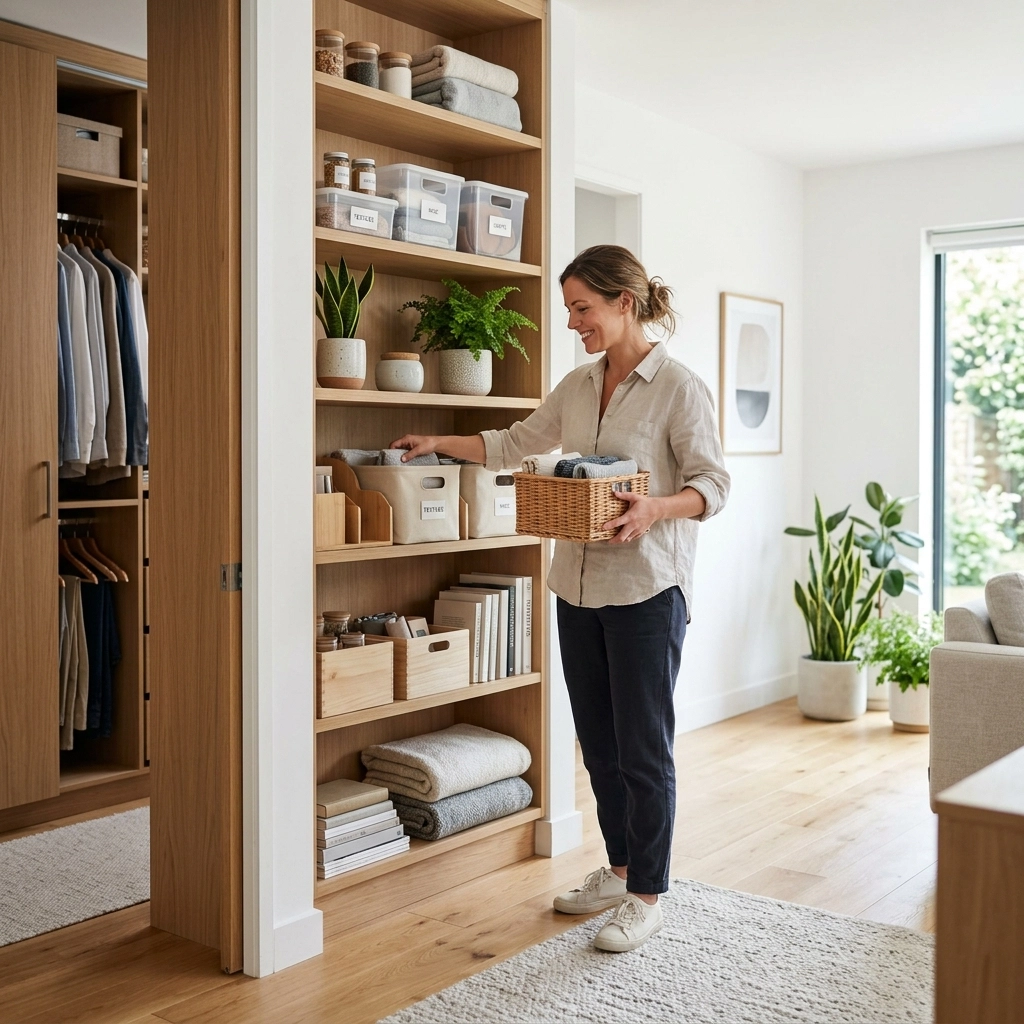
A cluttered home often leads to a cluttered mind. The physical environment serves as a backdrop to daily life, and when that backdrop is filled with excess items, forgotten projects, and disorganized surfaces, it creates a subtle but constant source of stress. Achieving a well-ordered home is not just about aesthetics; it is about creating a functional space that supports a peaceful lifestyle and efficient routines.
The journey to a decluttered home requires a combination of psychological shifts, practical techniques, and the implementation of sustainable storage systems. By understanding the core principles of organization and following a systematic approach, any living space can be transformed into a sanctuary of order and productivity.
Understanding the Foundations of Decluttering
Before moving a single box, it is essential to understand that decluttering is the process of removing what is unnecessary, while organizing is the process of arranging what remains. Many people make the mistake of buying storage bins before they have reduced their inventory. This often results in organized clutter: items that are neatly tucked away but still serve no purpose.
The primary goal of decluttering is to ensure that every item in the home serves a functional purpose or provides genuine aesthetic value. If an item has not been used in over a year, is broken beyond repair, or no longer fits a current lifestyle, it is likely a candidate for removal.
The SOS Method: Simplify, Organize, Systematize
A highly effective framework for approaching any space is the SOS method. This three-step process ensures that the root cause of the mess is addressed rather than just the symptoms.
- Simplify: This is the most intensive phase. It involves going through every item in a specific area and deciding whether to keep, donate, sell, or discard it. The objective is to reduce the total volume of possessions to a manageable level.
- Organize: Once the volume is reduced, the remaining items are grouped by category. This is the stage where logical “homes” are assigned to objects.
- Systematize: The final stage involves creating habits and using tools to ensure the space stays organized. This includes labeling, setting boundaries for how much can be kept in a certain area, and establishing a “one-in, one-out” rule.
Essential Preparation and Supplies
Success in decluttering often depends on having the right tools at hand. Interrupting the process to find a trash bag or a marker can break the flow of decision-making.
The following supplies are recommended for a comprehensive home reset:
- Heavy-duty trash bags: For items that are no longer usable.
- Sturdy cardboard boxes: For items intended for donation or sale.
- Clear storage bins: For items that will be kept in long-term storage, such as seasonal decor or out-of-season clothing.
- Label maker or permanent markers: Essential for identifying the contents of containers.
- Cleaning supplies: Microfiber cloths and all-purpose cleaners to wipe down shelves and drawers as they are emptied.
- Categorization tags: Temporary sticky notes to mark piles during the sorting process.

Strategic Decluttering Methods
Different personalities and schedules require different approaches. While some prefer a “marathon” weekend of cleaning, others find success in smaller, consistent efforts.
The 12-12-12 Challenge
This method is ideal for those feeling overwhelmed. The goal is to find 12 items to throw away, 12 items to donate, and 12 items to be returned to their proper place. This quick exercise can be done daily to build momentum without causing burnout.
The Snowball Effect
Similar to debt-reduction strategies, the snowball method suggests starting with the smallest, easiest task: such as a single junk drawer or a medicine cabinet. The sense of accomplishment gained from finishing a small area provides the psychological fuel needed to tackle larger spaces like the garage or the kitchen.
The Hanger Experiment
For wardrobes, turn all clothes hangers in the opposite direction. After wearing an item and washing it, return it to the closet with the hanger facing the correct way. After six months, any hangers still facing the wrong way represent clothes that haven’t been worn and should likely be donated. Keeping clothing in top condition is also vital; using a hair ball trimmer can revitalize older sweaters, making them feel new again and reducing the urge to buy replacements.
Room-by-Room Organization Strategies
The Kitchen: The Hub of Activity
The kitchen is often the most difficult room to maintain because it is a high-traffic area. Start by clearing the countertops entirely. Visual clutter on flat surfaces contributes significantly to a feeling of chaos.
- Zone Storage: Group items by activity. Keep baking supplies in one area, coffee and tea supplies in another, and daily-use dishes near the dishwasher.
- Pantry Logic: Use clear, airtight containers for dry goods. This not only keeps food fresh but also allows for an instant visual inventory, preventing the purchase of duplicates.
- Vertical Space: Use tiered shelf organizers for canned goods and vertical dividers for baking sheets and cutting boards.
The Living Room: Creating a Relaxing Environment
The living room should be a place of rest, not a storage unit for miscellaneous items.
- Hidden Storage: Utilize furniture that pulls double duty, such as ottomans with interior compartments or coffee tables with drawers.
- Digital Decluttering: Move media collections to digital formats or store physical discs in streamlined binders rather than bulky plastic cases.
- Daily Reset: Establish a five-minute evening routine where blankets are folded, remote controls are placed in their designated spots, and toys are returned to bins. For small electronics and essentials, a wireless key finder can ensure that even when things are “put away,” they are never lost.
The Bathroom and Vanity
Bathrooms are prone to collecting expired products and half-used bottles.
- The Expiration Check: Periodically check the dates on medications and skincare products.
- Countertop Management: Only daily-use items should reside on the counter. Everything else should be stored in drawers or cabinets. A 360-degree rotating cosmetic box is an excellent way to keep skincare and makeup accessible yet contained.
- Under-Sink Solutions: Use pull-out drawers or stackable bins to utilize the awkward space around plumbing.

Mastering Closet and Wardrobe Systems
Closets are frequently the primary “dumping ground” for items people are not ready to deal with. A functional closet system requires more than just a rod and a shelf.
Categorization by Type and Color
Sorting clothes by category (shirts, pants, dresses) and then by color within those categories makes finding items much faster. It also helps identify redundancies; for instance, seeing five identical black t-shirts may prompt a decision to downsize.
Maintaining Fabric Integrity
A well-organized closet includes tools for garment care. Beyond simple storage, maintaining the quality of fabrics ensures a smaller, more curated wardrobe lasts longer. Utilizing a multifunctional dust removing brush on coats and woolens before hanging them back up prevents the buildup of debris and keeps the closet environment clean.
Seasonal Rotation
If closet space is limited, seasonal rotation is mandatory. Store off-season clothes in vacuum-sealed bags or under-bed bins. This frees up prime “real estate” for the items currently in use, making the morning routine significantly less stressful.
Home Office and Productivity Zones
The rise of remote work has made the home office a critical area for organization. Paperwork is the primary enemy of a clean office.
- The One-Touch Rule: Aim to handle each piece of mail or paper only once. It should be filed, acted upon, or recycled immediately.
- Cable Management: Use clips or sleeves to hide the “spaghetti” of wires behind desks.
- Surface Clarity: Keep the desk surface as clear as possible. Use a dedicated tray for “in-progress” work and ensure all stationary has a specific drawer or cup.

Storage Solutions for Transit and Travel
Organization should not stop at the front door. Maintaining systems in vehicles and for travel prevents the “overflow” of clutter from leaking back into the home.
Vehicle Organization
The car often becomes a secondary storage space for sports gear, shopping bags, and emergency supplies. A dedicated folding car trunk storage bag can keep these items contained and prevent them from rolling around. This ensures that the trunk remains functional for its primary purpose: transporting new items or groceries without the need to move a mountain of clutter first.
Travel and Leisure Gear
Items used for hobbies or travel should be stored in “kits.” For example, a camping kit might include a portable folding camping mat, stored together in a specific bin. This makes packing efficient and ensures that these items don’t scatter throughout the house when not in use.
The Psychology of Letting Go
The biggest hurdle to a decluttered home is often emotional, not physical. Humans tend to attribute memories and “potential” to objects.
Sentimental Items
It is helpful to remember that the memory resides in the person, not the object. If an item is being kept solely for sentimental reasons but is currently gathering dust in a box, consider taking a high-quality photograph of it and then donating the physical item. This preserves the memory without the physical footprint.
The “Just in Case” Trap
Many people hold onto items thinking they might need them one day. A good rule of thumb is the 20/20 rule: If an item can be replaced for less than $20 in less than 20 minutes from the current location, it is safe to let it go.
Dealing with Guilt
Gifts often carry a sense of obligation. However, the purpose of a gift is the act of giving and receiving. Once the gift has been exchanged, the recipient’s obligation is fulfilled. If the item does not fit the home or lifestyle, it is better to pass it on to someone who will truly use it rather than keeping it out of guilt.

Implementing Long-Term Storage Systems
Once the decluttering is complete, the focus shifts to storage systems that are easy to maintain. A system that is too complex will eventually fail.
The Power of Labeling
Labels serve as a set of instructions for every member of the household. When a bin is labeled “Batteries” or “Lightbulbs,” there is no ambiguity about where those items go. This reduces the cognitive load of tidying up and ensures that everyone can contribute to maintaining the order.
Maximizing Vertical and Hidden Space
In smaller homes, wall space is often underutilized.
- Pegboards: Excellent for craft rooms, garages, or even kitchens.
- Over-the-Door Organizers: Useful for shoes, cleaning supplies, or pantry snacks.
- Wall-Mounted Shelves: Keeps floor space clear, making rooms feel larger and easier to clean.
The “One-In, One-Out” Rule
To prevent clutter from creeping back in, adopt a strict policy: for every new item brought into the home, one item must leave. This forces a conscious evaluation of every purchase and ensures the total volume of possessions remains stable.
Maintaining the System: The 15-Minute Reset
The most organized home will eventually fall into disarray without regular maintenance. The key is to integrate tidying into the daily rhythm rather than leaving it for a massive weekend chore.
A 15-minute “reset” at the end of the day can work wonders. This isn’t a deep clean, but a quick sweep of the common areas to return items to their “homes.” During this time, look for items that have migrated away from their storage systems and put them back.

Creating a Sustainable Lifestyle
Home organization is a continuous process of refinement. As life stages change: such as moving, starting a new job, or expanding a family: the storage systems that once worked may need to be adjusted.
The ultimate goal of decluttering and implementing storage systems is to save time. When everything has a place, less time is spent searching for keys, matching socks, or digging through the pantry. This saved time can be redirected toward hobbies, rest, and spending quality time with others.
By focusing on functional simplicity and establishing clear boundaries for physical possessions, a home can become a true reflection of the inhabitants’ priorities, providing a calm and supportive environment for whatever life brings.

