
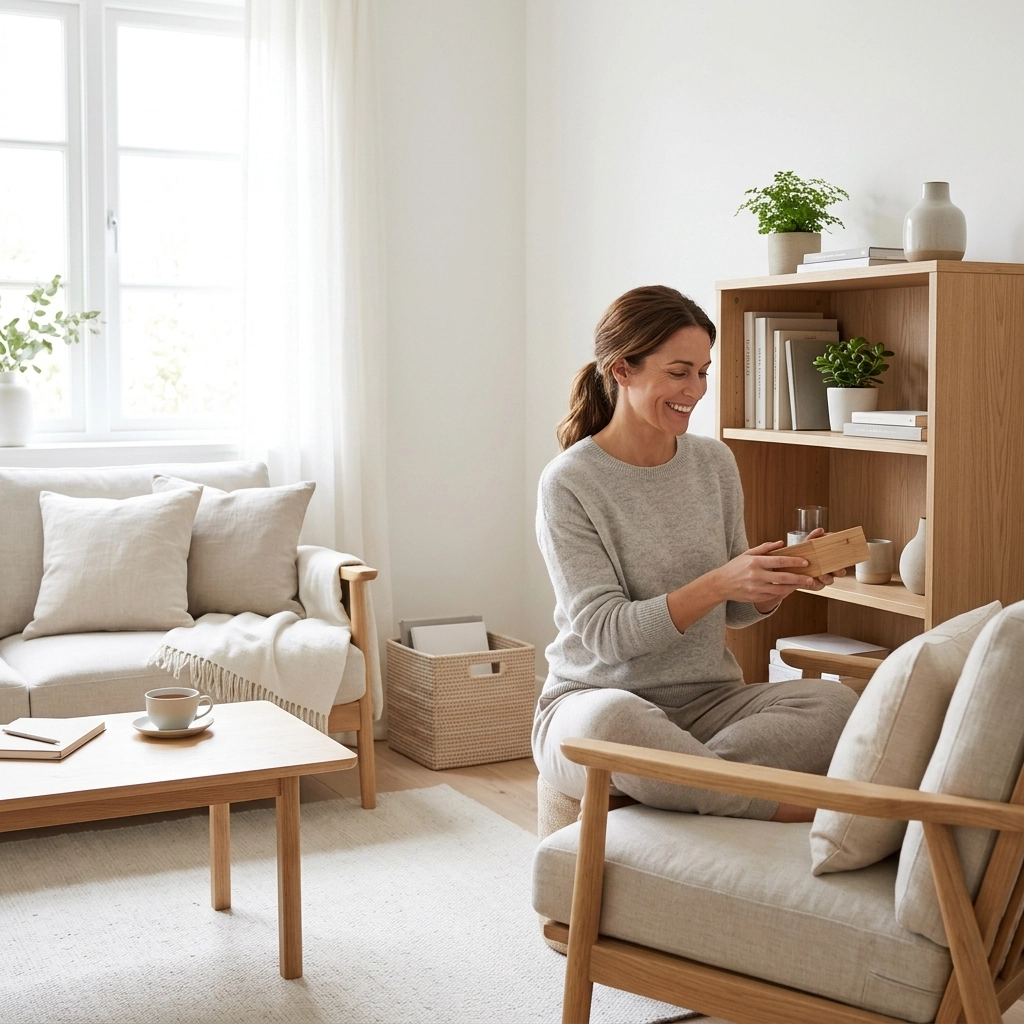
A home is intended to be a sanctuary, a place of rest and rejuvenation. However, when belongings begin to exceed the capacity of the physical space, the environment can become a source of stress rather than comfort. Household overcrowding, the accumulation of furniture, clothing, papers, and miscellaneous items, often happens gradually. It begins with a single drawer and eventually expands to occupy entire rooms, hindering movement and functionality.
Addressing overcrowding requires more than a simple afternoon of tidying. It demands a systematic approach to evaluating possessions, repairing the environment, and establishing new habits. This guide provides a comprehensive, step-by-step framework to reclaim living space and restore order to the home.
Phase 1: Establishing a Strategic Plan
The most common reason decluttering projects fail is the lack of a clear plan. Attempting to organize a whole house in a single weekend often leads to exhaustion and half-finished piles.
Prioritize High-Impact Areas
Instead of starting with sentimental items or the most difficult room (like the garage), it is more effective to begin where overcrowding disrupts daily life. The suggested order of attack is:
- Entryway/Hallway: The first point of contact upon entering the home.
- Kitchen Counters: The primary workspace for daily nourishment.
- Living Room: The central hub for relaxation and socializing.
- Bathrooms: High-utility spaces that require hygiene and efficiency.
- Bedrooms/Closets: Personal retreats that impact sleep quality.
- Storage Areas: Attics, basements, and garages where long-term accumulation occurs.
Setting a Realistic Schedule
Consistency is more valuable than intensity. For those with limited time, 15 to 30 minutes per day focused on a single “zone” (one shelf, one drawer, or one corner) can produce significant results over a month. Alternatively, dedicating one full day per week to a major category allows for a deeper dive into the process.
Phase 2: The Core Decluttering Method
Regardless of the room being addressed, a universal method ensures that every item is accounted for and handled appropriately.
Step 2.1: Total Clearance
To truly understand the volume of items in a space, it must be cleared completely. Removing everything from a drawer or shelf provides a “blank slate.” This physical reset allows for a better visualization of how the space should function. Once empty, take the opportunity to wipe down surfaces, removing dust and debris that may have accumulated behind the clutter.
Step 2.2: The Five-Category Sort
As items are handled, they should be placed immediately into one of five categories:
- Keep: Items used regularly, serves a specific purpose, or are genuinely valued.
- Donate/Give Away: Functional items that are no longer needed but may be useful to others.
- Sell: Items with significant resale value that will realistically be listed within 30 days.
- Recycle: Paper, plastics, and metals that are no longer useful.
- Trash: Damaged, expired, or non-functional items that cannot be salvaged.

Step 2.3: Critical Decision-Making Questions
To avoid indecision, use a set of objective questions for each object:
- Has this been used in the last 12 months?
- If this were lost today, would it be replaced?
- Is there a duplicate of this item that performs the same function?
- Does the item fit the current lifestyle and physical space?
- Is it worth the “real estate” it occupies in the home?
Phase 3: Room-by-Room Execution and Practical Fixes
Every room presents unique challenges, from specific types of clutter to minor maintenance issues that contribute to a feeling of disrepair.
The Kitchen: Maximizing Functionality
The kitchen is often the most overcrowded room due to excessive gadgets and food items.
- Gadgets and Utensils: Evaluate single-use appliances (e.g., bread makers, popcorn poppers). If they are used less than once every six months, they are candidates for donation. Group similar utensils together; most households do not require more than two of any specific tool.
- Cabinet Maintenance: Overcrowded cabinets often lead to loose hinges or misaligned doors from the weight of items leaning against them. To fix a loose hinge, remove the screw, insert a small piece of wood (like a toothpick) coated in wood glue into the hole, let it dry, and then re-seat the screw.
- Countertop Clearing: Aim for “zero-base” counters. Only items used daily, such as the coffee maker, should remain on the surface. Everything else should be stored in cabinets.
The Living Room: Layout and Flow
In the living room, overcrowding is often structural. Too much furniture can make a room feel smaller than it is.
- Furniture Scale: Ensure furniture is proportional to the room. Oversized sectional sofas in small apartments create physical bottlenecks.
- Layout Fixes: Pull furniture away from the walls by even two inches. This creates “breathing room” and a sense of depth. If a room feels cramped, consider removing one secondary piece of furniture, such as an extra armchair or a large coffee table, to open up the floor plan.
- Surface Management: Coffee tables and side tables should not be storage hubs. Use a single tray to corral remotes and coasters, and limit decor to two or three significant pieces.
Bedrooms and Closets: Textile Management
Closets are the primary location for “hidden” overcrowding.
- The One-Year Rule: Clothing that has not been worn in a full cycle of seasons should be evaluated. If it does not fit or requires repairs that haven’t been completed in months, it is time to let it go.
- Stain Removal for Kept Items: When sorting through clothes to keep, address any minor stains immediately to restore the garment’s utility. For yellowing sweat stains on white shirts, apply a paste of baking soda, hydrogen peroxide, and water. Let it sit for 30 minutes before washing. For oily food stains, rub clear dish soap into the fabric before laundering.
- Vertical Space: Use the back of closet doors for shoe racks or bag hooks. This frees up floor space and makes the closet feel less “crammed.”

The Bathroom: Sanitization and Order
Bathrooms are prone to the accumulation of expired products and half-used containers.
- The Expiry Check: Check the bottom of sunscreen, makeup, and skincare bottles. Most products have a “Period After Opening” (PAO) symbol (an open jar icon with a number like 12M). Toss anything past its date.
- Cabinet Repair: Moisture in bathrooms can cause wooden cabinets to swell or drawers to stick. If a wooden drawer is sticking, rub a bar of dry soap or a candle along the drawer runners to provide lubrication.
- Mirror and Glass: A clean, clear mirror can make a small bathroom feel twice as large. Use a 50/50 mix of white vinegar and water with a microfiber cloth for a streak-free finish.
Phase 4: Solving Physical Overcrowding Through Layout
Sometimes, the “clutter” isn’t the problem, the layout is. Overcrowding often results from poor spatial planning.
Traffic Flow Analysis
A functional room requires clear paths for movement. In a standard living room, there should be at least 30 to 36 inches of walking space between furniture pieces. If moving through a room requires turning sideways or stepping over items, the room is objectively overcrowded.
The Concept of Negative Space
Negative space is the empty area around and between the subjects of an image or, in this case, the furniture in a room. Empty space is not “wasted” space; it is essential for the eye to rest and for the home to feel peaceful. When decluttering, the goal is not to fill every empty shelf with a new decorative item, but to leave some areas intentionally bare.
Wall Repairs After Decluttering
Removing old shelving units or heavy wall decor often leaves holes or scuffs.
- Patching Holes: For small nail holes, apply a tiny amount of spackle with a putty knife. Once dry, sand it lightly with fine-grit sandpaper.
- Removing Scuffs: Furniture that has been pushed against walls often leaves dark rubber or paint marks. A “magic eraser” or a damp cloth with a small amount of baking soda can usually lift these marks without damaging the wall paint.

Phase 5: Managing Emotional Attachment
The hardest part of solving overcrowding is dealing with sentimental items or “just in case” possessions.
The “Just in Case” Fallacy
Many items are kept under the premise that they might be needed in the future. A helpful rule is the “20/20 Rule”: If an item can be replaced for less than $20 in less than 20 minutes from the current location, it is safe to let go.
Sentimental Boundaries
Memories reside in the person, not the object. To prevent sentimental items from causing overcrowding:
- Limit the Volume: Designate one specific box for sentimental items. When the box is full, one item must be removed before a new one is added.
- Digitize: For old letters, children’s artwork, or photographs, consider scanning them. Digital storage takes up zero physical space while preserving the memory.
- Repurpose: If a sentimental item is a textile (like a grandmother’s quilt that is falling apart), consider framing a small, intact portion of it as art rather than storing the bulky, damaged original.
Phase 6: Establishing Maintenance Habits
Once a home is decluttered, the focus shifts to preventing the return of overcrowding. Clutter is a result of delayed decisions.
The “One-In, One-Out” Rule
To maintain the current balance of possessions, commit to removing one item for every new item brought into the home. If a new pair of shoes is purchased, an old pair must be donated or recycled. This creates a natural ceiling for the number of belongings in the house.
The Daily Reset
Dedicate 10 minutes each evening to a “reset.” This involves returning items to their designated homes, clearing the kitchen counters, and tidying the living room surfaces. This prevents small amounts of clutter from snowballing into a larger overcrowding issue.

Establishing a “Landing Zone”
Overcrowding often starts at the entryway. Create a specific “landing zone” with a tray for keys, a basket for mail, and a designated rack for shoes. By containing these daily items in a specific area, they are prevented from migrating to the dining table or kitchen counters.
Seasonal Re-evaluations
Twice a year, typically during the transition between spring/summer and autumn/winter, perform a mini-declutter. This is the ideal time to rotate seasonal clothing and check storage areas for items that were not used during their relevant season.
Practical Solutions for Storage Limitations
In smaller homes, overcrowding may be a result of genuine storage shortages. In these cases, creative solutions are necessary.
- Furniture with Hidden Storage: Use ottomans that open to store blankets or bed frames with built-in drawers.
- Uniform Hangers: Replacing mismatched plastic and wire hangers with slim velvet hangers can save up to 20% of closet space and create a calmer visual environment.
- Shelf Risers: In kitchen cabinets, use wire shelf risers to double the vertical storage capacity for plates and bowls.
- Clear Containers: When storing items in pantries or closets, use clear bins. This allows for immediate visibility, preventing the purchase of duplicates because an item could not be found.

Solving household overcrowding is a journey toward a more functional and peaceful environment. It requires a combination of physical labor, honest self-reflection, and the willingness to let go of things that no longer serve a purpose. By following a structured plan, addressing minor repairs, and maintaining strict boundaries on what enters the home, any space can be transformed from a crowded storage area into a true living space.
For more information on home management and organization, please visit the Frequently Asked Questions or learn more about our approach to efficient living. If specific challenges arise during the decluttering process, the customer help section provides further resources for home improvement.

