
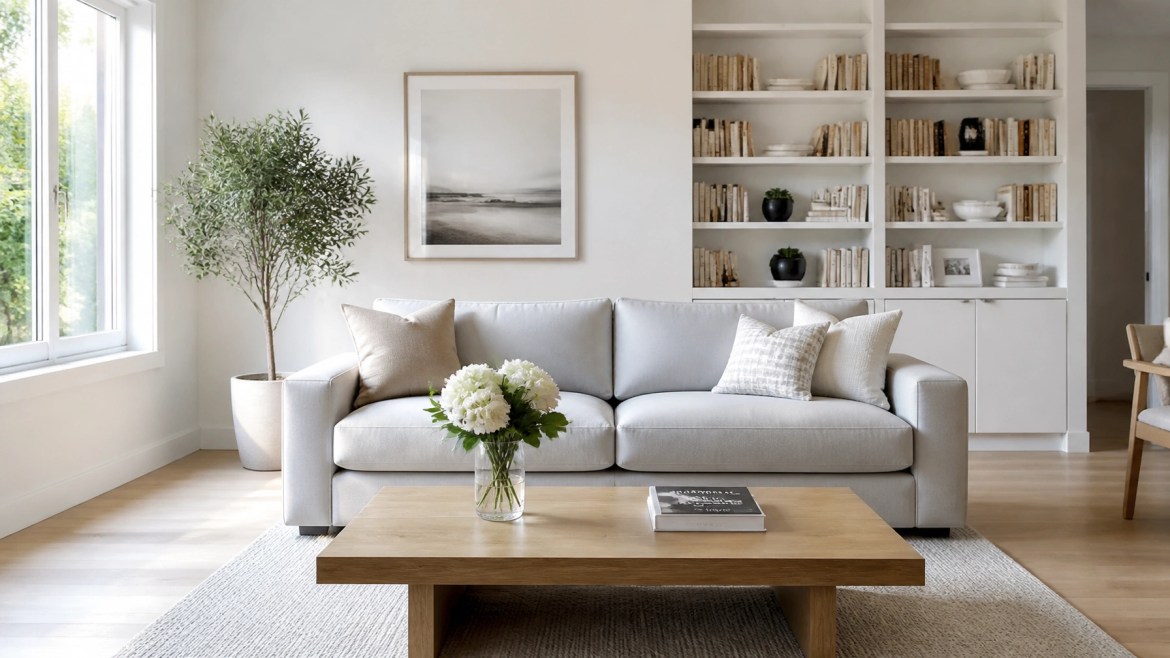
A cluttered home often mirrors a cluttered mind. When physical surroundings are filled with unnecessary items, mismatched piles, and disorganized cabinets, it can lead to increased stress, decreased productivity, and a general sense of being overwhelmed. Mastering a living space through decluttering is not just about aesthetics; it is about reclaiming time, energy, and peace of mind.
For many beginners, the task of decluttering an entire home seems monumental. However, by breaking the process down into manageable steps and understanding the fundamental principles of organization, anyone can transform their environment into a functional and serene sanctuary. This guide provides a comprehensive roadmap for those ready to begin their journey toward a more organized life.
The Psychological and Practical Benefits of Decluttering
Before picking up the first box, it is helpful to understand the “why” behind the process. Decluttering offers more than just extra shelf space. It provides significant psychological benefits. Research suggests that high levels of visual stimuli, clutter, compete for attention, making it harder for the brain to focus. By removing excess items, the environment becomes less taxing on the nervous system.
Practically, an organized home saves time. No more searching for lost keys, matching socks, or hidden kitchen gadgets. When every item has a designated home, the daily maintenance of a household becomes significantly faster. Financial benefits are also common; decluttering often reveals items that were forgotten, preventing duplicate purchases, and selling unwanted items can provide a small influx of cash.
Laying the Foundation: Preparation and Mindset
The most common mistake beginners make is attempting to declutter the entire house in a single weekend. This often leads to exhaustion and a half-finished project that leaves the home in more disarray than when the process began.
Start Small and Specific
Instead of “the house,” start with “the junk drawer.” Instead of “the kitchen,” start with “the spice rack.” Success in small areas builds the momentum and confidence needed to tackle larger projects. A 15-to-45-minute session is often enough to complete a specific zone without causing burnout.
Gather Necessary Supplies
Preparation prevents procrastination. Before starting a decluttering session, gather five containers. These can be boxes, large bags, or laundry baskets. Label them as follows:
- Trash: Items that are broken, expired, or beyond repair.
- Recycle: Paper, plastics, and metals that can be processed.
- Donate/Sell: Items in good condition that are no longer used or loved.
- Relocate: Items that belong in a different room but have migrated.
- Repair: Items that are broken but worth fixing (limit this category strictly).
The Decision-Making Framework
The core of decluttering is decision-making. For every item, ask:
- Have I used this in the last 12 months?
- Does it serve a clear purpose in my current life?
- If it was lost or broken, would I buy it again today?
- Am I keeping this only because I feel guilty about the money spent?
Proven Decluttering Methods for Beginners
Several established methodologies can guide the process. Choosing one provides a structured framework to follow when the “where do I start?” paralysis sets in.
The 4-Box Method
As mentioned above, this method forces a decision on every single item in a room. Nothing is left out. You move through a space, pick up every object, and place it into one of the designated boxes. This prevents “shuffling” clutter from one spot to another.
The KonMari Method
Popularized by Marie Kondo, this method focuses on what to keep rather than what to throw away. The central question is: “Does this spark joy?” While highly effective for sentimental items, it is often best combined with more practical “utility” questions for items like potato peelers and fire extinguishers.
The 90/90 Rule
Created by The Minimalists, this rule is excellent for borderline items. Look at an object and ask: Have I used it in the past 90 days? If not, will I use it in the next 90 days? If the answer to both is “no,” the item is likely unnecessary.
Room-by-Room Strategy: A Tactical Guide
Approaching a home room by room allows for specialized storage solutions tailored to the activities that occur in those spaces.
The Entryway: First Impressions and Daily Efficiency

The entryway is the transition zone between the outside world and the home. It is often a “hotspot” for clutter like mail, shoes, and bags.
- Clear the Floor: Use a shoe rack or a low bin to contain footwear. Aim for a “two-pair per person” limit in this area, storing off-season shoes elsewhere.
- Utilize Vertical Space: Hooks are more efficient than hangers for daily-use coats and bags. They are easier for children and guests to use, making it more likely that items will be hung up.
- Create a Command Center: A small shelf or wall-mounted pocket for incoming mail and keys prevents the “kitchen counter pile-up.”
The Kitchen: The Functional Heart of the Home

A kitchen functions best when counters are clear and cabinets are categorized.
- Empty and Clean: Take everything out of the pantry or a set of cabinets. Wipe the shelves. This “blank slate” approach makes it easier to spot expired food and duplicate gadgets.
- Zoning: Group items by activity. Create a “baking zone” with flour, sugar, and mixers together. A “coffee station” should house the machine, mugs, and beans in one spot.
- Storage Solutions: Use clear bins for snacks and packets. Turntables (Lazy Susans) are highly effective for oils and condiments in deep cabinets, ensuring nothing gets lost in the back.
The Living Room: Creating a Sanctuary for Relaxation
The living room should be a place for rest, but it often becomes a graveyard for magazines, toys, and tech accessories.
- Surface Control: Coffee tables and side tables should remain mostly clear. Limit decor to three items per surface to maintain a sense of calm.
- Hidden Storage: Utilize multi-functional furniture like ottomans with internal storage or TV stands with closed cabinetry to hide remotes, controllers, and blankets.
- The Daily Reset: Because this is a high-traffic area, a 5-minute evening “reset” to fold blankets and put away toys is essential.
The Closet: Curating a Wardrobe that Works

A cluttered closet makes getting dressed a chore. The goal is visibility.
- Uniform Hangers: Switching to matching hangers instantly makes a closet look more organized and reduces visual noise.
- Categorization: Group clothes by type (shirts, pants, dresses) and then by color. This makes finding specific items effortless.
- Off-Season Storage: Move out-of-season clothing to high shelves or under-bed bins to give the current wardrobe room to “breathe.”
The Home Office: Enhancing Productivity Through Order

Physical clutter in an office often translates to mental distraction.
- Paper Management: Implement a simple “Action, File, Shred” system. Do not let paper sit in piles. Once a document is touched, it must go into one of those three categories.
- Cable Management: Use clips, sleeves, or boxes to hide the “spaghetti” of wires under and behind the desk.
- Minimalist Desktop: Keep only the items used daily (computer, notebook, pen) on the desk surface. Everything else should be in a drawer or on a shelf.
Masterclass in Storage Solutions
Once the decluttering is complete, the remaining items need effective storage. The goal of storage is to make items easy to find and, more importantly, easy to put away.
Go Vertical
Most people underutilize the upper half of their rooms. Wall-mounted shelves, tall bookcases, and over-the-door organizers can significantly increase storage capacity without taking up additional floor space. This is particularly useful in bathrooms and small bedrooms.
Use “Hidden” Storage
Look for wasted space. The area under the bed is perfect for long, shallow bins containing extra linens or sentimental items. An entryway bench that opens up can hide bulky winter gear.
Match Storage to Habits
Storage should be intuitive. If people naturally drop their keys on the kitchen island, place a small decorative bowl there rather than trying to force a habit of walking to a hook by the front door. Work with existing behaviors rather than against them.
The Power of Labels
Labels are not just for aesthetic appeal; they are a communication tool. They tell every member of the household exactly where an item belongs. This removes the “I didn’t know where it went” excuse for leaving items on the counter. Simple, clear labels are usually more effective than overly decorative ones.
Long-Term Maintenance: Keeping Clutter at Bay
Decluttering is not a one-time event; it is a lifestyle habit. Without maintenance, the home will slowly return to its previous state.
- The One-In, One-Out Rule: For every new item brought into the home: be it a pair of shoes, a toy, or a kitchen gadget: one similar item must leave. This keeps the total volume of possessions stable.
- The 2-Minute Rule: If a task takes less than two minutes (putting a dish in the dishwasher, hanging up a coat, filing a bill), do it immediately. This prevents small tasks from accumulating into a mountain of clutter.
- Seasonal Audits: Every time the seasons change, perform a mini-declutter. Check the medicine cabinet for expired items, the pantry for old canned goods, and the closet for clothes that weren’t worn during the past season.
- A “Wait” List for Purchases: Avoid impulsive buys by implementing a 48-hour or 30-day waiting period for non-essential items. Often, the desire to own the item fades after a few days of reflection.
Conclusion
Mastering a living space is a journey that requires patience and consistency. By starting with small, achievable goals and utilizing structured methods, anyone can reduce the clutter in their home. The result is more than just a tidy house; it is a more functional, peaceful, and efficient environment that supports a better quality of life.
For further information on home management and practical living tips, visitors are encouraged to explore the Paris Wheel Blog or visit the Customer Help section for additional resources. Organizing a home is a continuous process, but the clarity and freedom it provides are well worth the effort.

