
Maintaining a clean and organized home often feels like a constant battle against time. Traditional cleaning methods usually fall into two categories: the daily “firefighting” of picking up messes as they happen, or the exhausting “marathon” weekend where hours are spent scrubbing every corner. Neither approach is particularly sustainable for modern life.
Zonal cleaning offers a middle ground. By breaking a home into manageable sections and rotating deep-cleaning tasks throughout the month, this system ensures that no part of the house is neglected for too long. It eliminates the need for massive “spring cleaning” events because the home is essentially deep-cleaned on a continuous loop.
This guide provides a comprehensive roadmap for implementing a zonal cleaning routine that fits into a busy schedule, reduces mental load, and keeps a household functioning at its best.
Understanding the Philosophy of Zonal Cleaning
At its core, zonal cleaning is about focus and consistency. Instead of trying to clean the entire house at once, focus is placed on one specific “zone” for a set period: usually a week or a few days. During that time, the daily routine includes small, detail-oriented tasks within that zone that go beyond basic tidying.
The philosophy relies on the idea that detail cleaning: scrubbing baseboards, wiping out the inside of the microwave, or dusting ceiling fans: doesn’t need to happen every day. It just needs to happen regularly. By rotating through zones, these tasks are completed once a month or once every few weeks, keeping grime from ever truly building up.
The Core Benefits of a Zonal Routine
Transitioning to a zonal system provides several practical advantages for household management:
- Reduced Overwhelm: It is much easier to commit to cleaning one room than an entire floor. When the scope is limited, the mental barrier to starting is lower.
- Predictability: Knowing exactly which area of the home is the focus for the week removes decision fatigue. There is no need to wonder what needs to be done; the schedule has already decided.
- Consistency: Because the rotation is continuous, areas like the guest bathroom or the laundry room: which often get ignored in a standard sweep: receive regular, dedicated attention.
- Flexibility: A zonal routine is highly adaptable. If a week becomes too busy, the zone focus can simply be picked up where it left off, or the most critical tasks can be prioritized during short 10-minute bursts.
Step 1: Mapping the Home into Zones
The first step in establishing this routine is to divide the living space into logical zones. A standard home typically benefits from five distinct zones, though this can be adjusted based on the size and layout of the property.
Zone 1: The Entryway and Social Dining Areas
This zone focuses on the “first impression” areas. It includes the front porch, the foyer or mudroom, and the formal dining room. These are spaces that often accumulate dust and outdoor debris but are frequently bypassed during quick daily cleans.
Zone 2: The Kitchen and Utility Spaces
The kitchen is arguably the most intensive zone. It covers countertops, the pantry, large appliances (oven, fridge, dishwasher), and often the laundry room if it is adjacent. Due to the high traffic and food preparation, this zone usually requires more detailed attention than others.
Maintaining an organized kitchen is a pillar of this zone. For those struggling with food storage, learning how to organize a pantry can make the cleaning tasks in this zone significantly more efficient.
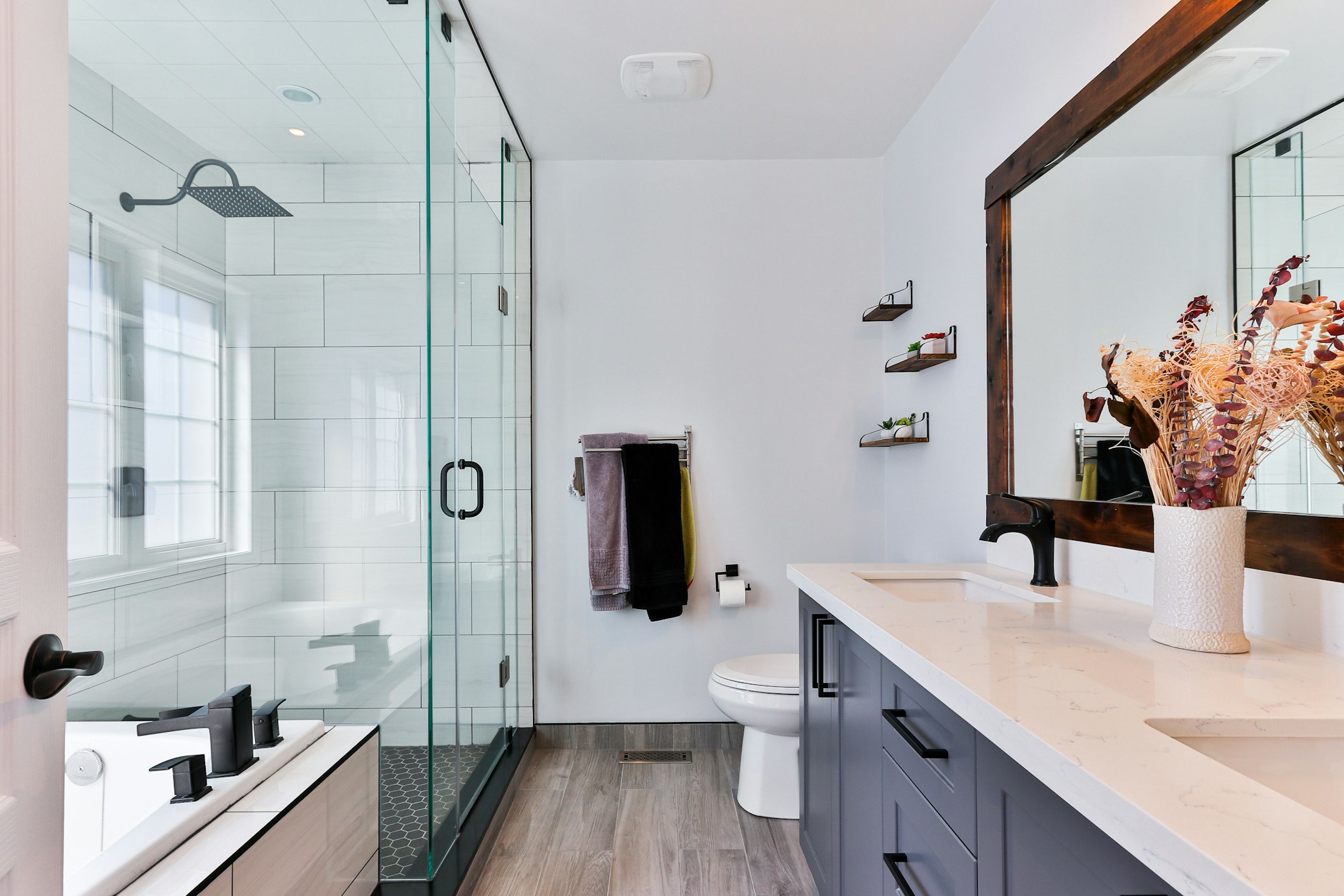
Zone 3: Bathrooms and Secondary Rooms
This zone includes the main bathroom, powder rooms, and any “extra” spaces like a home office or a guest bedroom. Grouping these together allows for a focus on specialized surfaces like tile, grout, and glass.
Zone 4: The Primary Suite
Dedicated to the master bedroom, master bathroom, and walk-in closets, this zone is about creating a sanctuary. The focus here is on dusting furniture, refreshing linens, and organizing personal storage areas.
Zone 5: Living and Family Rooms
The final zone covers the main living areas where the household spends most of its time. This includes the family room, playrooms, and dens. Tasks here often involve upholstery care, electronics dusting, and floor maintenance.
Step 2: Creating a Master Task List
Once the zones are defined, a master list of “detail tasks” is needed for each. These are distinct from daily chores like doing dishes or making the bed.
Zone 1 Tasks (Entry & Dining)
- Sweep the front porch and shake out the doormat.
- Wipe down the front door and polish any hardware.
- Dust the entryway table and any decorative items.
- Wipe down baseboards and remove cobwebs from corners.
- Clean windows and glass inserts in the dining area.
- Dust chair rungs and table legs.
Zone 2 Tasks (Kitchen & Laundry)
- Clean the interior of the microwave and toaster.
- Wipe down cabinet fronts and handles.
- Scrub the sink and polish the faucet.
- Clean the oven or the vent hood filters.
- Wipe out the refrigerator shelves and discard expired items.
- Clean the lint trap and the exterior of the washer and dryer.
Zone 3 Tasks (Bathrooms & Extras)
- Scrub the bathtub or shower floor and walls.
- Deep-clean the grout using a specialized brush.
- Wipe out the interior of the medicine cabinet or vanity drawers.
- Wash the shower curtain or clean the glass door.
- Dust electronics and monitor screens in the home office.
- Vacuum the edges of the carpet or the baseboards in guest rooms.
Zone 4 Tasks (Master Suite)
- Flip or rotate the mattress.
- Wash the mattress protector or decorative pillows.
- Dust the tops of wardrobes, armoires, and picture frames.
- Clean the mirrors and windowsills.
- Organize one drawer or shelf in the closet.
- Wipe down light switches and door handles.
Zone 5 Tasks (Living Spaces)
- Vacuum under the sofa cushions and between furniture.
- Dust the television, gaming consoles, and bookshelves.
- Clean the ceiling fan blades or light fixtures.
- Wash throw blankets and pillow covers.
- Wipe down coffee tables and side tables, including the undersides.
- Deep-clean the rugs or spot-treat any stains on the carpet.
Step 3: Selecting a Scheduling Method
There is no “one-size-fits-all” schedule for zonal cleaning. The best routine is the one that actually gets followed. Most households choose between two main approaches:
The 15-Minute Daily Habit
In this model, a specific zone is assigned to each week of the month (e.g., Week 1 is Zone 1). Every day, 10 to 15 minutes are spent tackling 1-2 items from that zone’s master list. By the end of the week, the entire list is usually completed. This is ideal for busy families who cannot block out large chunks of time but can spare a few minutes after dinner or before work.
The Weekly Deep Dive
Some prefer to dedicate a larger block of time: perhaps an hour on a Saturday morning: to the current zone. This allows for a “flow state” where all the detail work for that area is knocked out in one go. The rest of the week is then free from any zone-related responsibilities.
Regardless of the timing, using a timer is highly recommended. A timer creates a sense of urgency and prevents the task from expanding to fill the entire afternoon.

Distinguishing Between Zones and Daily Tidying
A common pitfall is confusing “zonal cleaning” with “daily tidying.” If the living room is covered in toys and laundry, it is impossible to deep-clean the baseboards or dust the bookshelves effectively.
Zonal cleaning works best when it is supported by a foundation of basic daily maintenance. This includes tasks like:
- Doing a “reset” of the kitchen counters every night.
- A quick daily sweep of high-traffic floors.
- A 5-minute daily declutter to prevent items from piling up on flat surfaces.
When the clutter is under control, the 15 minutes dedicated to the “zone” can be spent on actual cleaning rather than just moving items from one spot to another.
Tools and Supplies for Efficient Zoning
To make the most of the time spent in each zone, it helps to have a mobile cleaning kit. Searching for a specific cleaner or a clean rag can waste half of a 15-minute session. A well-stocked caddy should include:
- All-purpose cleaner: For most surfaces.
- Microfiber cloths: Effective for dusting and wiping without leaving lint.
- A small scrub brush: Essential for grout and tight corners.
- Glass cleaner: For mirrors and windows.
- An extendable duster: For ceiling fans and high corners.
- Vacuum attachments: Specifically the crevice tool and the upholstery brush.
Keep the caddy in a central location so it can be grabbed quickly whenever the “zone timer” starts.
Handling Clutter-Heavy Zones
If a home has been neglected for a long time, the master task list for a zone might feel impossible. In these cases, it is best to treat the first few rotations as “Decluttering Rotations.”
Instead of trying to scrub the shelves in the pantry, use the allotted zone time to remove items that are no longer used or have expired. Once the volume of “stuff” is reduced, the cleaning tasks become much faster. It may take two or three months of rotating through the zones before the focus shifts entirely from decluttering to deep cleaning, but this gradual approach prevents burnout.

Customizing for Your Lifestyle
The beauty of the zonal system is its adaptability. A person living in a studio apartment might only have three zones, while a large family home might have seven.
- Pet Owners: May need to add “wash pet bedding” or “vacuum under the crate” to their zone lists.
- Families with Children: Might rotate “Toy Organization” as its own mini-zone or include it in the Family Room tasks.
- Busy Professionals: Might choose to do two 20-minute sessions on Tuesday and Thursday instead of every day.
The key is to ensure the rotation continues. Even if a week is missed, the routine shouldn’t be abandoned. Simply pick up with the next zone in the rotation. The goal is progress, not perfection.
The Long-Term Impact: Ending the Spring Cleaning Cycle
The ultimate reward of a zonal cleaning routine is the elimination of the “big clean.” Most people dread the arrival of spring because it signals a week of grueling labor to undo a winter’s worth of neglect.
With a zonal system, the house is never truly “dirty.” The baseboards were wiped last month, the oven was cleaned three weeks ago, and the guest room was dusted last week. The home remains in a state of “mostly clean” at all times, which is far more manageable and significantly better for mental well-being.
By embracing the zonal method, the household routine moves away from being a source of stress and toward being a predictable, manageable part of daily life. It transforms the home from a place that requires constant work into a functional space that supports the lifestyle of its inhabitants.

