
Deep cleaning is often viewed as an inevitable weekend ritual. For many households, Saturday mornings are sacrificed to the altar of scrubbing baseboards, deep-cleaning ovens, and scouring bathrooms until the afternoon sun begins to set. This “marathon” approach to cleaning is not only exhausting but also inefficient. When cleaning is postponed until it becomes a massive project, the home spends most of the week in a state of gradual decline, and the effort required to restore it becomes significantly higher.
The secret to a consistently tidy and functional home lies not in the intensity of the cleaning session, but in the frequency of small, strategic maintenance tasks. By integrating micro-habits and efficient routines into daily life, it is possible to maintain a “baseline” level of cleanliness that eliminates the need for grueling deep-cleaning days. This approach shifts the focus from “restoration” to “maintenance,” ensuring that grime never has the opportunity to settle and clutter never reaches critical mass.
By adopting a few key hacks, any household can transition from a cycle of chaos and deep cleaning to a sustainable, low-effort routine. The following strategies are designed to be practical, quick, and easy to implement, focusing on high-impact areas that make the biggest difference in daily living.
1. The Evening Kitchen Reset
The kitchen is the heart of the home, but it is also the primary source of daily mess. A kitchen left in disarray overnight can set a negative tone for the following day, leading to a stressful morning and a backlog of chores. The “Evening Kitchen Reset” is a non-negotiable 15-minute routine designed to return the kitchen to a neutral state before bed.
This reset does not involve scrubbing floors or organizing the pantry. Instead, it focuses on three core pillars: clear counters, a clean sink, and a prepared morning environment. Begin by loading any remaining dishes into the dishwasher and starting the cycle. A clear sink is one of the most effective visual cues for a clean home. Next, wipe down the countertops with a multipurpose cleaner to remove crumbs and spills from dinner preparation.
Finally, take two minutes to prepare for the next morning. This might include setting out the coffee pot or ensuring the kitchen table is clear for breakfast. When the kitchen is reset every night, the grime that typically requires deep scrubbing: such as dried food on counters or stains in the sink: never has a chance to form. For those looking to expand this concept, the proven morning-to-night cleaning framework provides a more comprehensive look at daily structures.
2. Decentralize Cleaning Supplies with “Point-of-Use” Stashing
One of the biggest hurdles to quick cleaning is the “friction” of getting started. If a spill occurs in the upstairs bathroom, but the cleaning supplies are kept in a laundry room on the ground floor, the task of cleaning is often delayed. This delay allows dirt to settle and makes the eventual cleaning more difficult.
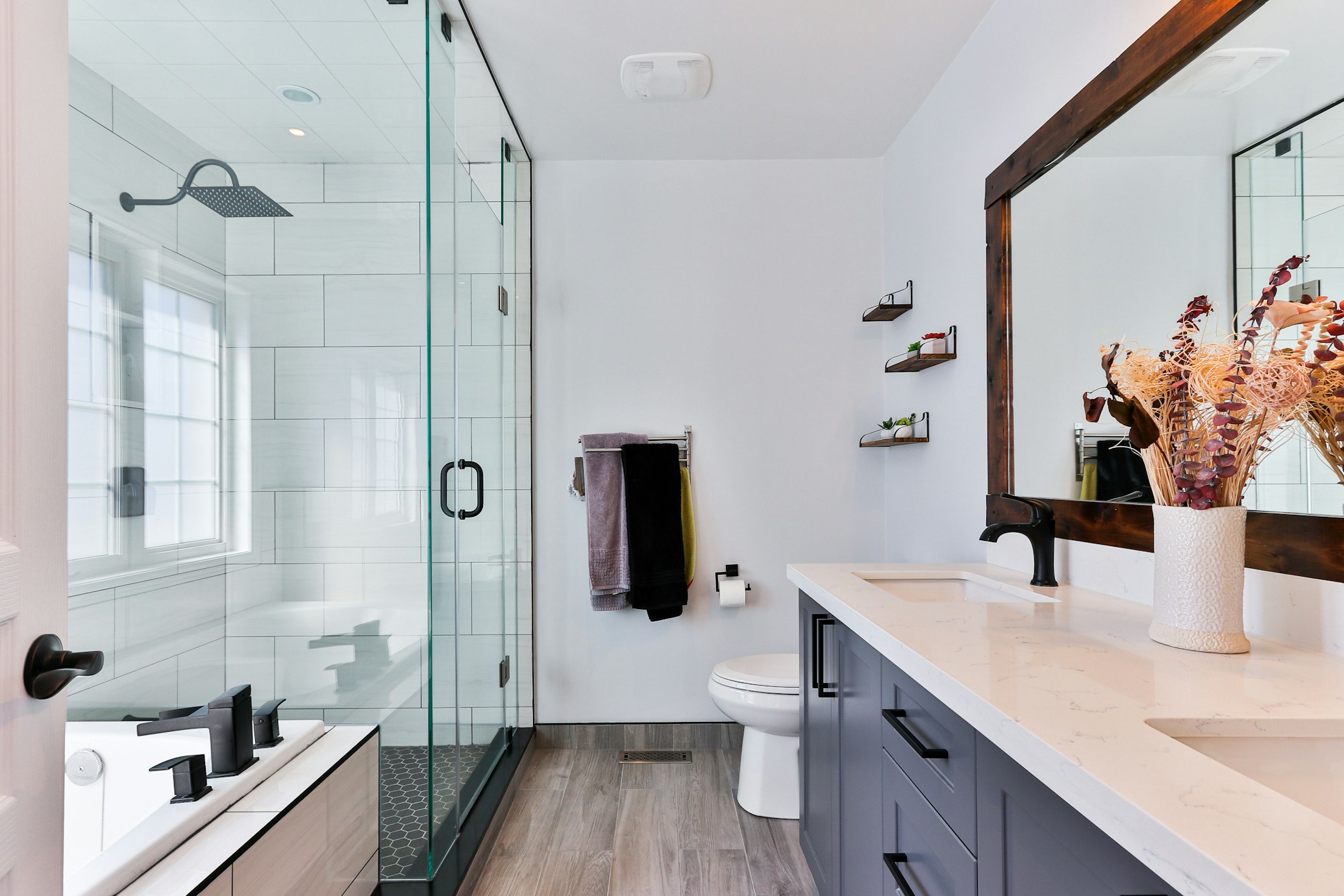
The “Point-of-Use” hack involves stashing basic cleaning kits in the rooms where they are needed most. Each bathroom should have its own dedicated kit containing:
- A multipurpose surface cleaner
- A toilet bowl cleaner and brush
- A microfiber cloth
- Glass cleaner
Similarly, a small kit should be kept under the kitchen sink and perhaps another in the laundry area. By eliminating the need to walk across the house to retrieve a spray bottle, the barrier to “touch-up” cleaning is removed. When a person notices a toothpaste smudge on the mirror or a water spot on the faucet, they can address it in seconds rather than adding it to a mental list for the weekend.
3. The 15-Minute Timed Sprint
Parkinson’s Law states that “work expands so as to fill the time available for its completion.” This is particularly true for household chores. Without a time limit, a simple task like tidying the living room can easily drift into a two-hour ordeal as one gets distracted by old mail or starts rearranging bookshelves.
The 15-minute timed sprint uses psychology to drive efficiency. By setting a physical timer, the brain is triggered to focus only on high-impact, visible tasks. This is not the time for deep organization; it is a “speed round” for surface-level maintenance. During a sprint, the goals should be:
- Returning misplaced items to their designated rooms.
- Fluffing sofa cushions and folding throw blankets.
- Running a quick vacuum or mop over high-traffic floor areas.
- Emptying small trash bins.
This technique is incredibly effective for maintaining a home when energy levels are low. Most people can commit to 15 minutes of effort, even after a long workday. Consistency is key; a single 15-minute sprint every day is more effective at preventing mess than a four-hour cleaning session once every two weeks. For more help with building these small windows of productivity, see this guide on creating a realistic daily routine in 5 minutes.

4. Master the “Clean-As-You-Go” Habit Stacks
Deep cleaning is often the result of “task accumulation.” When we postpone small cleaning actions, they pile up into a mountain of work. The “clean-as-you-go” philosophy relies on habit stacking: attaching a small cleaning task to an existing part of a daily routine.
Examples of effective habit stacks include:
- The Shower Wipe: While the conditioner is soaking in, use a squeegee or a microfiber cloth to wipe down the shower walls. This takes 30 seconds and prevents the buildup of soap scum and hard water stains that usually require heavy chemicals and scrubbing.
- The Coffee Break: While waiting for the coffee to brew or the microwave to finish, empty the dishwasher or clear off one section of the counter.
- The Skincare Finish: After finishing a morning or evening skincare routine, use the damp hand towel to quickly wipe down the bathroom faucet and countertop.
These micro-habits ensure that surfaces are refreshed several times a day. Because the surfaces never stay dirty for long, they require very little effort to maintain. This approach is explored further in the ultimate guide to household cleaning routines, which outlines how to scale these habits.
5. The “Flat Surface” Rule for Visual Clarity
The human eye perceives a room as “dirty” primarily based on its horizontal surfaces. When dining tables, coffee tables, and kitchen counters are covered in mail, keys, and miscellaneous items, the entire room feels cluttered, even if the floors are spotless.
The flat surface rule is simple: keep horizontal surfaces as clear as possible. This serves two purposes. First, it provides immediate visual calm. Second, it makes cleaning significantly faster. It is much easier to wipe down a clear table than it is to move ten different objects, wipe under them, and put them back.
To implement this, establish a “landing strip” for incoming items like mail and keys. Use baskets or trays to corral items that must stay on the counter, but aim to keep 80% of the surface area clear. If clutter begins to accumulate, use a 5-minute daily declutter checklist to keep it under control. When surfaces are clear, a quick daily wipe-down becomes a task that takes seconds, not minutes.

6. Strategic High-Traffic Floor Maintenance
Floors are often the most daunting part of a deep clean because they involve moving furniture and navigating every corner of the house. However, 90% of the dirt in a home is usually concentrated in 10% of the floor space: the high-traffic zones.
Instead of waiting to vacuum the entire house once a week, focus on daily maintenance of high-traffic areas:
- The entryway or mudroom
- The kitchen work triangle (between the stove, sink, and fridge)
- The path from the sofa to the kitchen
Using a lightweight cordless vacuum or a quick-sweep microfiber mop for just two minutes a day in these areas prevents dirt from being tracked into the “low-traffic” areas like bedrooms or the edges of the living room. By containing the dirt at the source, the rest of the floors stay cleaner for longer, and the need for a full-house, deep-floor cleaning is drastically reduced.
7. The Rolling Weekly Schedule
Even with great daily habits, some tasks need more thorough attention than a 15-minute sprint allows. The mistake most people make is trying to do all these tasks on the same day. This leads to “cleaning burnout.”
A rolling weekly schedule distributes these heavier tasks across the week. For example:
- Monday: Dusting (all rooms, surfaces only)
- Tuesday: Bathrooms (thorough scrub of toilets and sinks)
- Wednesday: Floors (full vacuum and mop)
- Thursday: Linens (change bed sheets and towels)
- Friday: Fridge and Trash (clear out expired food and take out all bins)
By spending 20–30 minutes on one specific category each day, the home remains in a state of deep-cleanliness without ever requiring a dedicated “cleaning day.” If a day is missed, it can simply be picked up the following week without the house falling into disrepair. For those unsure where to start with a structured plan, there are 10 things you should know when looking for a cleaning schedule.

Overcoming the “All or Nothing” Mindset
The greatest obstacle to an efficient cleaning routine is the “all or nothing” mindset. This is the belief that if there isn’t time to do a “proper” deep clean, then there is no point in cleaning at all. This logic is flawed because household maintenance is cumulative.
Every small action: hanging up a coat, wiping a spill, or clearing a dish: is a gift to a future version of oneself. These actions reduce the total volume of work required later. Understanding that a “good enough” clean done consistently is superior to a “perfect” clean done once a month is the key to reclaiming time and mental energy.
By shifting the focus to these seven quick hacks, the home becomes a place of relaxation rather than a source of stress. The goal is to create a living environment that supports daily life, rather than one that requires life to be put on hold for maintenance.
Building Sustainability in Routines
Consistency is more important than perfection. Some weeks will be busier than others, and the routine may slip. When this happens, the best approach is not to plan a massive “catch-up” session, but simply to return to the daily 15-minute sprint.
Building these habits takes time. It is often helpful to start with just one hack: perhaps the Evening Kitchen Reset: and practice it until it becomes second nature before adding another. Over time, these small shifts in behavior aggregate, leading to a significant reduction in the time spent on chores and a dramatic increase in the quality of daily home life.
For more inspiration on how to refine a home environment, consider exploring guides on home storage solutions which can help provide the infrastructure needed to make these cleaning hacks even more effective. A well-organized home is naturally easier to clean, as every item has a designated place, reducing the mental load of tidying.

